Afghanistan, a landlocked country in South Asia, is often referred to as the “graveyard of empires.” This phrase refers to the country’s long history of resisting foreign invasions and imperial powers, dating back to Alexander the Great’s conquests in the fourth century BC. In this article, we will explore the reasons why Afghanistan has earned this moniker, and what it tells us about the challenges of foreign intervention and empire-building.
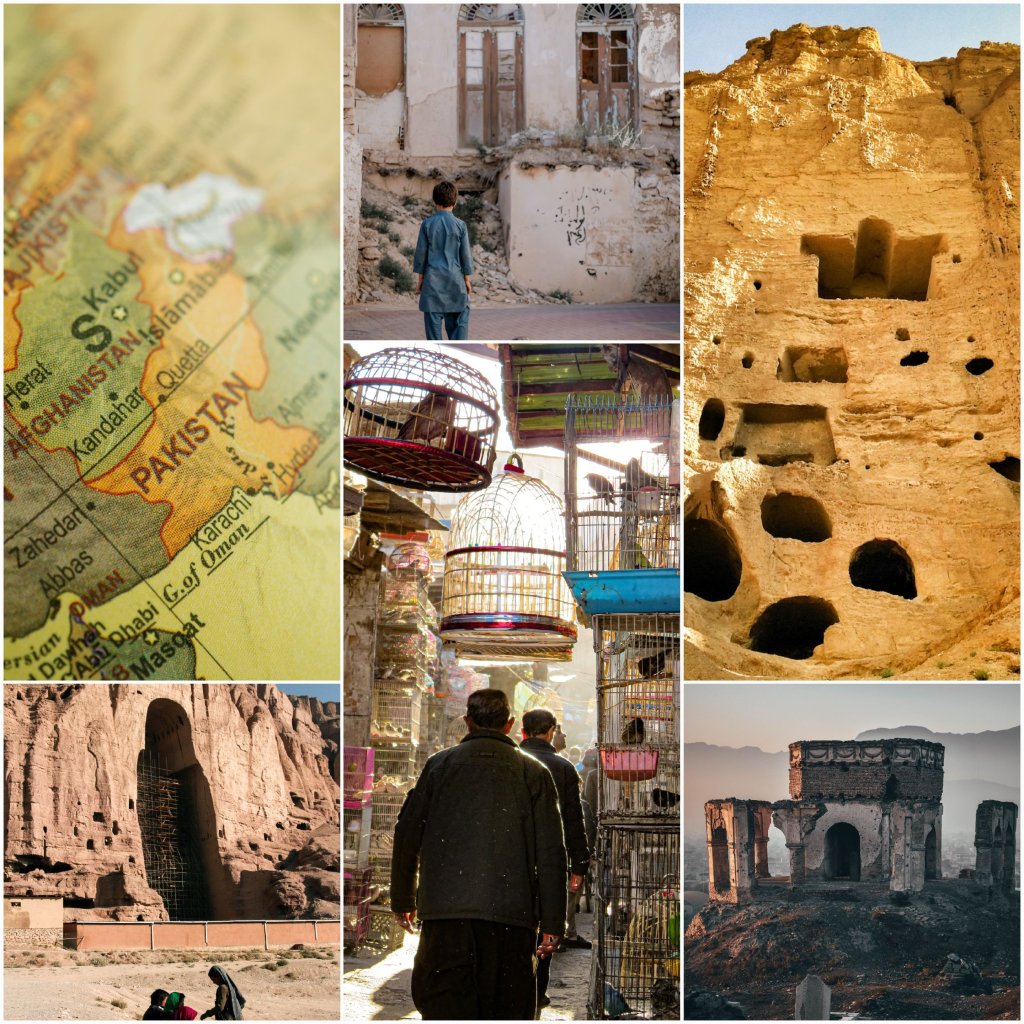
Afghanistan is a landlocked country because it is surrounded by other countries on all sides, with no direct access to the sea. The country is bordered by Pakistan to the east and south, Iran to the west, Turkmenistan, Uzbekistan, and Tajikistan to the north, and China to the northeast.
Afghanistan’s landlocked status has had a significant impact on its history and economy. It has limited the country’s ability to engage in international trade and commerce, as it must rely on its neighbors to transport goods to and from ports. This has made Afghanistan vulnerable to the economic and political interests of its neighbors and has limited its development and growth.
Despite these challenges, Afghanistan has a rich cultural heritage and a strategic location at the crossroads of Central Asia, South Asia, and the Middle East. Its position as a buffer state between competing regional powers has also made it a site of strategic interest for foreign powers throughout history. Today, as Afghanistan continues to grapple with ongoing conflict and instability, its landlocked status remains a significant challenge, but also a potential source of economic opportunity if the country is able to develop stronger trade and transit relationships with its neighbors.
It is difficult to give an exact number of invasions that Afghanistan has faced throughout its history, as the country has been invaded and occupied by various empires, kingdoms, and military forces over the course of thousands of years. However, some historians estimate that Afghanistan has been invaded at least 14 times in the past 2,500 years.
Some of the most notable invasions and occupations of Afghanistan include those by Alexander the Great, the Mongol Empire, the Timurid Empire, the Mughal Empire, the British Empire, the Soviet Union, and the United States-led coalition that invaded the country in 2001. Each of these invasions has had a significant impact on the country and its people, shaping its history, culture, and political landscape in different ways.
Despite the many invasions and occupations that Afghanistan has faced over the centuries, the country has remained a fiercely independent and resilient nation, with a rich cultural heritage and a unique identity that has endured through centuries of conflict and turmoil.
Geography and Terrain
One of the key factors that has made Afghanistan such a challenging place for foreign powers to conquer and control is its geography and terrain. The country is situated at the crossroads of Central Asia, South Asia, and the Middle East, and its rugged, mountainous terrain has long made it a difficult place to navigate and control. The Hindu Kush mountain range, which runs through the heart of the country, is one of the highest and most inhospitable mountain ranges in the world. The harsh climate, lack of infrastructure, and limited arable land have made it difficult for outsiders to establish a foothold in the region.
The Afghan People
Another factor that has made Afghanistan a challenging place for foreign powers to conquer and control is the resilience and tenacity of its people. The Afghan people are fiercely independent and have a long history of resisting foreign domination. They have a strong sense of tribal identity and are deeply committed to their traditional way of life. This has made it difficult for outsiders to establish a lasting presence in the region, as they are seen as a threat to Afghan culture and identity. The Afghan people have a long history of fighting against foreign invaders, and they have developed a reputation as skilled guerrilla fighters who are able to adapt to the terrain and use it to their advantage.
History of Foreign Invasions
Afghanistan’s reputation as the “graveyard of empires” is rooted in its long history of resisting foreign invasions and imperial powers. Over the centuries, many empires and armies have attempted to conquer and control Afghanistan, only to be met with fierce resistance and eventual defeat. Some of the most notable examples include:
- Alexander the Great: In the fourth century BC, Alexander the Great led his army into Afghanistan as part of his campaign to conquer the Persian Empire. Despite initial successes, Alexander’s army was eventually forced to withdraw after facing fierce resistance from local tribes and suffering significant losses.
- The British Empire: In the 19th century, the British Empire attempted to establish control over Afghanistan as part of its larger imperial ambitions in South Asia. Despite several military campaigns, the British were never able to fully conquer or control the country, and eventually withdrew in 1919.
- The Soviet Union: In 1979, the Soviet Union invaded Afghanistan in an attempt to prop up a communist government and establish a foothold in the region. Despite deploying hundreds of thousands of troops and engaging in brutal tactics, the Soviets were unable to defeat the Afghan resistance, and eventually withdrew in 1989 after suffering heavy losses.
- The United States: In 2001, the United States launched an invasion of Afghanistan in response to the 9/11 terrorist attacks. Despite initial successes, the conflict has dragged on for over two decades, with the Taliban insurgency continuing to resist foreign intervention and control.
Lessons for Empire-Building
The history of foreign invasions in Afghanistan offers important lessons for those seeking to build empires or exert influence in other countries. Some of the key takeaways include:
- The importance of understanding local culture and customs: Foreign powers that fail to understand and respect local culture and customs are likely to face resistance and eventual defeat.
- The limitations of military force: While military force can be effective in achieving short-term objectives, it is rarely sufficient to establish lasting control over a country or region.
- The need for a long-term strategy: Building an empire or exerting influence in a foreign country requires a long-term strategy that takes into account the complex political, social, and economic factors that shape the country.
- The importance of working with local partners: Foreign powers that are able to establish partnerships with local leaders and communities are more likely to succeed in achieving their objectives.
Conclusion
Afghanistan’s reputation as the “graveyard of empires” is a testament to the resilience and tenacity of its people, as well as the challenges of foreign intervention and empire-building. While the history of foreign invasions in Afghanistan is marked by periods of brutal conflict and violence, it also offers important lessons for those seeking to build empires or exert influence in other countries. By understanding the complexities of local culture, working with local partners, and taking a long-term approach to empire-building, foreign powers can increase their chances of success and avoid being consigned to the “graveyard of empires.”

 Poetry Hub
Hello. Thanks for visiting. I’d love to hear your thoughts! What resonated with you in this piece? Drop a comment below and let’s start a conversation.