What’s your definition of romantic?
Exploring My Definition of Romance: A Journey into Love, Passion, and Connection
Romance, a word that conjures up a myriad of emotions, is an intricate dance between hearts, minds, and souls. It transcends cultural boundaries and has been celebrated throughout human history. In this prosery, we embark on a journey to delve deep into the essence of romance, exploring its multifaceted nature and understanding how it shapes our lives and relationships.
The Power of Connection
At its core, romance is about forging connections with others on a profound level. It encompasses the desire for emotional intimacy, understanding, and the deep-rooted human need for companionship. Whether it’s the gentle touch of a lover’s hand, an affectionate gaze, or heartfelt conversations under a starlit sky, romance fosters a sense of belonging and fuels our innate desire for connection.
Love in All Its Forms
Romance extends beyond traditional notions of romantic love. It encompasses the love we have for our family, friends, and even the love we have for ourselves. It is a celebration of the beauty found in human connections, both platonic and intimate. Romance teaches us to cherish the unique qualities that make each relationship special, nurturing them with care and devotion.
The Language of Gestures
Romance thrives on the language of gestures, which speak volumes when words fall short. It can be seen in the simple act of a partner bringing a warm cup of tea on a chilly morning or surprising someone with their favorite book. It is found in the joy of preparing a heartfelt meal together or leaving sweet notes to brighten each other’s day. These gestures form the fabric of romance, weaving moments of tenderness and thoughtfulness into the tapestry of our lives.
Passion and Sensuality
Passion ignites the fire of romance, infusing it with an electrifying energy. It is the intoxicating mix of desire, sensuality, and raw emotion. Romance embraces the power of touch, the whisper of a breath against the skin, and the embrace that speaks of unspoken desires. It is in those stolen moments of intimacy that passion blooms, intensifying the connection between two souls.
Adventure and Spontaneity
Romance is not confined to the mundane; it craves adventure and thrives on spontaneity. It beckons us to explore uncharted territories together, embarking on grand adventures that create lasting memories. From impromptu road trips to stargazing on a remote beach, these shared experiences bring a sense of exhilaration and deepen the bond between two individuals.
Timeless Romance in a Modern World
In today’s fast-paced, technology-driven world, romance can often be overshadowed. Yet, its essence remains timeless and relevant. It calls upon us to slow down, disconnect from distractions, and be fully present with our loved ones. Romance reminds us to savor the little moments, to create sacred spaces where love can flourish amidst the chaos of everyday life.
Conclusion:
My definition of romance is a tapestry woven from the threads of connection, love, gestures, passion, adventure, and timelessness. It is an ever-evolving journey, unique to each individual and relationship. Romance reminds us to nurture the bonds that enrich our lives and embrace the beauty and magic of human connection. So, let us embark on this adventure, embracing the essence of romance, and creating a world where love and passion reign supreme.
Exploring the Essence of Romanticism: Understanding the Definition of Romantic
Romanticism is a concept that has captivated hearts and minds for centuries. It encompasses a wide range of expressions, from literature and art to relationships and personal experiences. In this article, we will delve into the multifaceted nature of romanticism, exploring its historical roots, defining characteristics, and its relevance in contemporary society.
- Historical Origins of Romanticism:
The romantic movement originated in the late 18th century as a reaction against the rationalism and industrialization of the Enlightenment era. It emerged as a celebration of individual emotions, imagination, and the beauty of nature. Romanticism found expression in various artistic forms, including literature, music, and visual arts, and had a profound impact on society’s perception of love, beauty, and spirituality. - Core Characteristics of Romanticism:
- Emotion and Sensibility: Romanticism places a strong emphasis on the expression of intense emotions and heightened sensitivity. Love, longing, passion, and melancholy are common themes explored in romantic works.
- Imagination and Creativity: Romanticism cherishes the power of imagination to transcend reality and create new worlds. Artists and writers often use vivid imagery and fantastical elements to evoke a sense of wonder.
- Nature and Sublime: Romanticism reveres the magnificence of the natural world, viewing it as a source of inspiration and spiritual connection. Romantic works often depict landscapes, awe-inspiring scenery, and the sublime forces of nature.
- Individualism and Freedom: Romanticism celebrates the individual’s unique experiences, beliefs, and desires. It advocates for personal freedom, self-expression, and the rejection of societal constraints.
- Idealization of Love: Love, particularly passionate and unrequited love, is a recurring theme in romantic literature and art. Romanticism often portrays love as a transformative and transcendent force.
- Romanticism in Literature:
Romantic literature encompasses a rich tapestry of works from renowned authors such as William Wordsworth, Jane Austen, Lord Byron, and Emily Bronte. These writers explored themes of love, nature, and the human condition, capturing the essence of romanticism through their evocative storytelling and poetic language. - Romanticism in Art:
Romantic artists, such as Caspar David Friedrich, J.M.W. Turner, and Eugène Delacroix, sought to evoke powerful emotions and convey a sense of the sublime through their paintings. Their works often portrayed dramatic landscapes, turbulent seascapes, and heroic figures, leaving viewers captivated by their intensity and beauty. - Romanticism in Relationships:
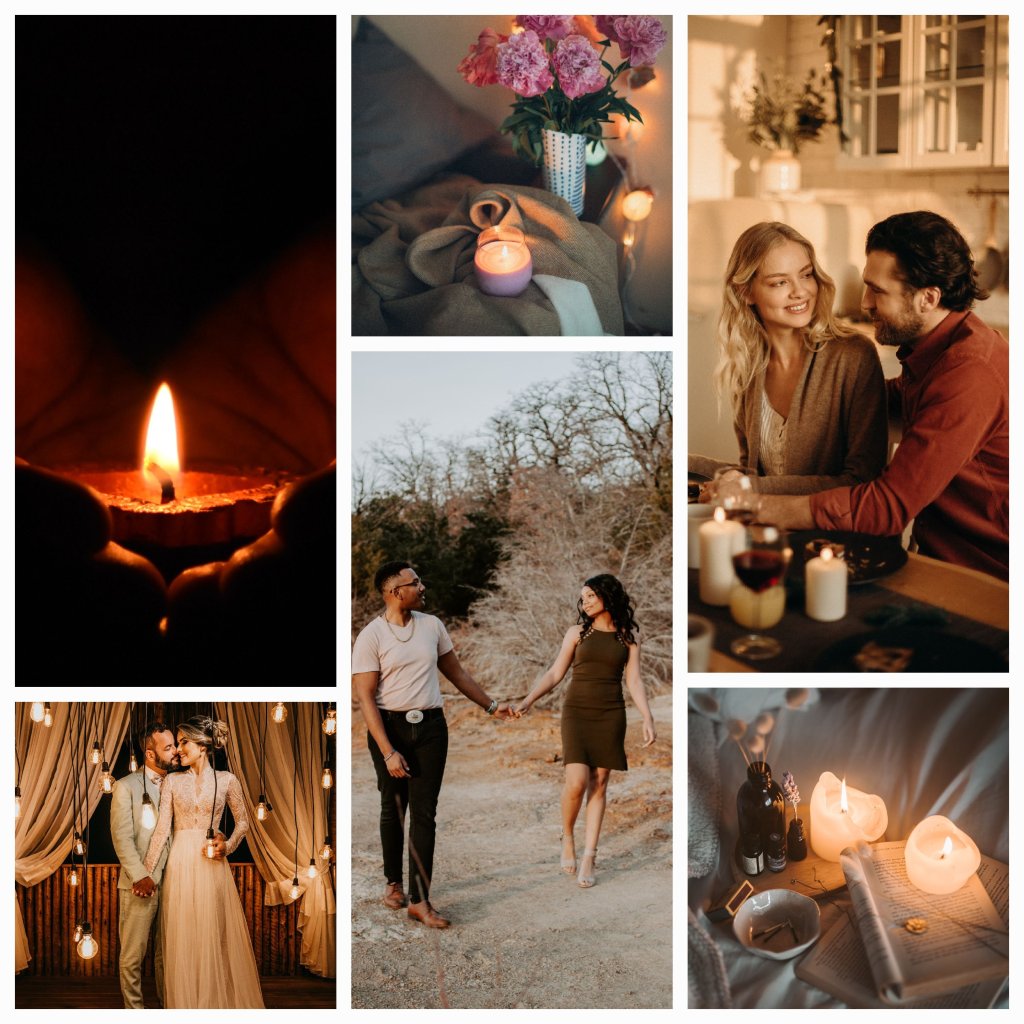
Beyond its artistic and literary manifestations, romanticism has profoundly influenced our understanding of romantic relationships. It has shaped our ideals of love, emphasizing passion, devotion, and the pursuit of an emotional connection with another person. Romantic gestures, such as candlelit dinners, handwritten love letters, and surprise getaways, are often associated with expressions of romantic love.
Conclusion:
The definition of romantic encompasses a vast array of expressions, from artistic movements to personal relationships. Rooted in the celebration of emotions, imagination, and nature, romanticism continues to inspire and influence our perceptions of love, beauty, and the human experience. Whether through the pages of a novel, the strokes of a brush, or the moments shared between two hearts, romanticism reminds us of the boundless capacity for love and the power of the human spirit.

 Poetry Hub
Hello. Thanks for visiting. I’d love to hear your thoughts! What resonated with you in this piece? Drop a comment below and let’s start a conversation.