The Indian Water Tower: A Symbol of Gratitude and Remembrance in Yokohama
Exactly 100 years ago, on September 1, 1923, Japan experienced a devastating earthquake that left a trail of destruction in its wake. The city of Yokohama was severely affected, and among those impacted were many Indian residents residing in the area. In a heartwarming display of solidarity and support, the citizens of Yokohama rallied together to aid their Indian neighbors during this time of crisis. As a token of gratitude and to commemorate the lives lost in the earthquake, the Association of Indians in Japan erected a remarkable structure known as the Indian Water Tower.
The earthquake that struck Yokohama on September 1, 1923, known as the Great Kanto earthquake, was a result of the movement along the Sagami Trough, a subduction zone where the Philippine Sea Plate is converging with the Eurasian Plate. This seismic activity caused a massive release of energy, resulting in a destructive earthquake.
At the time of the earthquake, Yokohama had a significant population. According to estimates, the population of Yokohama in 1923 was approximately 430,000 people.
The earthquake and its subsequent effects caused widespread destruction in Yokohama and the surrounding areas. The impact of the earthquake was intensified by the outbreak of fires that engulfed the city due to ruptured gas lines and overturned cooking stoves. The fires, fueled by wooden structures and strong winds, spread rapidly and caused extensive damage.
The destruction caused by the earthquake and fires was catastrophic. Many buildings, including homes, businesses, and public infrastructure, were reduced to rubble. The waterfront area of Yokohama, which was densely populated and lined with warehouses, was particularly devastated. The fires raged for days, exacerbating the destruction and leading to the loss of countless lives and properties.
The earthquake and fires resulted in the loss of an estimated 100,000 lives in Yokohama and the surrounding regions. The scale of the destruction was immense, with entire neighborhoods reduced to ashes and the city’s infrastructure severely crippled.
It is within this context of devastation that the Association of Indians in Japan built the Indian Water Tower as a gesture of gratitude and remembrance for the lives lost in the earthquake.
During the early 20th century, Yokohama had a significant Indian population. According to historical records, it is estimated that there were around 6,000 to 7,000 Indian residents in Yokohama at the time of the Great Kanto earthquake in 1923. These Indian residents were primarily engaged in various trades and industries, including silk trading, money lending, and other businesses. The Indian community played an important role in the economic and cultural fabric of Yokohama during that period.
During the Great Kanto earthquake of 1923 in Yokohama, there were numerous casualties, including both Japanese and foreign residents. Unfortunately, detailed records of individual casualties, including prominent figures, may not be readily available or easily accessible. The earthquake and subsequent fires caused widespread devastation and loss of life, with estimates suggesting that around 100,000 people lost their lives in Yokohama and the surrounding areas. The destruction and chaos that ensued made it difficult to accurately document and identify individual casualties.
This article explores the significance of the Indian Water Tower, delving into its architectural features, the intricate mosaics adorning its dome ceiling, and its captivating exterior.
- India Water Tower Description:
The Indian Water Tower stands as a testament to the enduring bond between the Indian community and the city of Yokohama. Located in a prominent location, this architectural marvel showcases a unique blend of Indian and Japanese design elements. The tower, standing tall and proud, serves both as a functional water storage facility and a symbol of cultural unity. - Mosaics on the Dome Ceiling:
The dome ceiling of the Indian Water Tower is an artistic masterpiece that captivates visitors with its intricate mosaics. Each mosaic panel tells a story, depicting scenes from Indian mythology, historical events, and symbols of resilience and strength. The vibrant colors and meticulous craftsmanship create a visual spectacle, inviting visitors to immerse themselves in the rich cultural heritage of India.
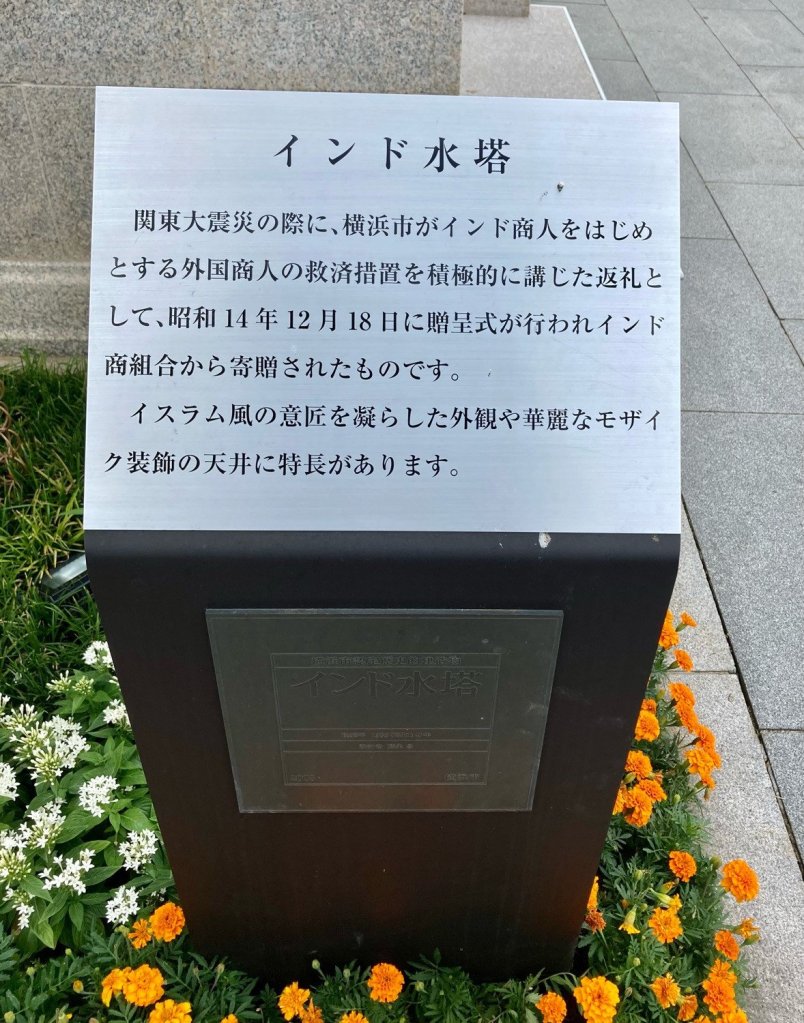

- Exterior of the Indian Water Tower:
The exterior of the Indian Water Tower is a testament to architectural excellence and cultural fusion. The structure seamlessly blends elements of Indian and Japanese architectural styles, creating a harmonious and visually striking composition. Elaborate carvings adorning the façade depict motifs inspired by both Indian and Japanese culture.
The entrance of the water tower may feature ornate archways adorned with intricate patterns resembling those found in traditional Indian temples. Delicate floral motifs and symbolic representations may also be present, symbolizing growth, prosperity, and the cyclical nature of life. The fusion of these architectural elements creates a unique and captivating visual experience for visitors.

Additionally, the Indian Water Tower is surrounded by lush gardens, reflecting the importance of nature in both Indian and Japanese cultures. The serene ambiance of the surroundings, combined with the architectural grandeur of the water tower, creates a tranquil space where visitors can reflect on the significance of the structure and its historical context.
Exactly 100 years ago, on September 1, 1923, Japan had a big earthquake that destroyed many buildings and caused huge fires, causing a lot of damage. Many Indian residents living here in Yokohama were affected, and Yokohama citizens worked hard to help them. It is said that this drinking fountain was built by Association of Indians in Japan, to thank the city of Yokohama and to hold a memorial service for the spirits of the Indian people who died in the earthquake. – Marie, Yokohama, Japan
Conclusion:
The Indian Water Tower in Yokohama stands as a remarkable testament to the enduring friendship and support between the Indian community and the city’s residents. Its architectural features, including the captivating mosaics on the dome ceiling and the harmonious fusion of Indian and Japanese design elements on its exterior, serve as a visual representation of cultural unity and resilience.
As we commemorate the 100th anniversary of the devastating earthquake, the Indian Water Tower stands as a symbol of gratitude, remembrance, and the indomitable spirit of humanity. It serves as a reminder of the power of collaboration, compassion, and cultural exchange in times of adversity. Visitors to this extraordinary structure can’t help but be moved by the stories it tells and the connection it fosters between two nations and their shared history.

 Poetry Hub
Hello. Thanks for visiting. I’d love to hear your thoughts! What resonated with you in this piece? Drop a comment below and let’s start a conversation.