One important thing that we learn from Hitler’s life is that is that an image created with the help of lies and propaganda doesn’t last long. That’s why we see only a car park and not a memorial where Hitler died.
There are several reasons why we see only a car park and not a memorial where Hitler died. These reasons are directly linked to the transience of an image created with lies and propaganda.
- Loss of Credibility: Hitler’s regime was built on a foundation of lies and propaganda, which aimed to create an image of invincibility and superiority. However, as the truth about the atrocities committed under his leadership became widely known, his credibility and the legitimacy of his image were shattered. The exposure of the Holocaust and the horrors of Nazi Germany undermined any possibility of constructing a memorial that would commemorate Hitler in a positive light.
- Repudiation of Hitler’s Ideology: The world collectively rejected Hitler’s ideology of hatred, anti-Semitism, and totalitarianism. The crimes committed during his reign were so heinous that they sparked a global movement to ensure that such atrocities would never be repeated. Constructing a memorial for Hitler would be seen as condoning or glorifying his actions, which goes against the principles of justice, human rights, and remembrance.
- Historical Reckoning: The absence of a memorial where Hitler died serves as a historical reckoning, reflecting the acknowledgment of the past and a commitment to learning from history’s mistakes. It symbolizes a conscious effort to confront and remember the atrocities committed, rather than allowing them to be forgotten or distorted through the construction of a memorial that could perpetuate a false narrative.
- Focus on Victims and Remembrance: Instead of memorializing Hitler, the emphasis is rightly placed on remembering the victims of Nazi Germany, particularly the millions who perished in the Holocaust. Memorials and museums dedicated to preserving the memory of the victims serve as reminders of the consequences of Hitler’s actions and the importance of preventing such atrocities in the future.
- Lessons Learned: The absence of a memorial at the site where Hitler died acts as a powerful reminder of the lessons learned from his life. It highlights the ephemeral nature of an image built on lies and propaganda, emphasizing the importance of truth, transparency, and the critical evaluation of information. It serves as a cautionary tale against the manipulation of public opinion and the dangers of unchecked power.
In conclusion, the absence of a memorial where Hitler died can be attributed to the loss of credibility, the repudiation of Hitler’s ideology, a historical reckoning, a focus on victims and remembrance, and the lessons learned from his life. It stands as a testament to the impermanence of an image constructed with lies and propaganda, reinforcing the significance of truth and the collective responsibility to confront and remember history accurately.
Lessons from Hitler’s Life: The Ephemeral Nature of Lies and Propaganda
Adolf Hitler, the infamous dictator who led Nazi Germany during World War II, left an indelible mark on history. His reign of terror, characterized by extreme nationalism, anti-Semitism, and the propagation of lies and propaganda, resulted in millions of lives lost and widespread devastation. However, as time passed, the truth behind Hitler’s carefully crafted image began to unravel. Today, the absence of a memorial where Hitler died stands as a stark reminder that an image built on deceit and manipulation cannot endure. In this article, we delve into the lessons we can learn from Hitler’s life, particularly the transience of falsehoods and the importance of truth.
- The Power of Lies and Propaganda:
Hitler understood the potency of lies and propaganda in shaping public opinion. He employed a vast propaganda machine, led by Joseph Goebbels, to disseminate his distorted ideology and control the narrative. By controlling the media, suppressing dissenting voices, and fabricating stories, Hitler manipulated the masses, fostering a climate of fear, hatred, and blind loyalty. However, history has shown us that no matter how effective propaganda may be in the short term, it cannot withstand the scrutiny of truth over time. - The Fragility of Deception:
Hitler’s regime depended on maintaining an illusion of invincibility and superiority. His public persona was carefully curated to project strength and infallibility. Yet, beneath the carefully constructed facade, the truth remained obscured. Hitler’s policies, rooted in bigotry and hatred, were unsustainable, and the devastating consequences of his actions eventually caught up with him. The fragility of deception is evident in the absence of a memorial at the site of Hitler’s death. The lack of commemoration signifies how a distorted legacy cannot withstand the test of time. - The Triumph of Truth:
While lies and propaganda may temporarily deceive, truth has a way of prevailing in the end. Hitler’s carefully constructed image began to crumble as the Allied forces pushed back, revealing the horrors of the Holocaust and the true extent of Nazi atrocities. Accounts from survivors, evidence uncovered in concentration camps, and the testimonies of those who witnessed the horrors firsthand dismantled the myth of Hitler’s infallibility. The power of truth lies in its ability to expose lies and dismantle the foundations upon which they are built. - The Role of Education and Awareness:
One of the key lessons from Hitler’s life is the crucial role of education and awareness in countering lies and propaganda. By promoting critical thinking, media literacy, and a commitment to seeking the truth, societies can equip individuals to discern fact from fiction. Education serves as a powerful tool in dismantling falsehoods, empowering individuals to challenge and question narratives that seek to manipulate and deceive. - The Importance of Remembrance:
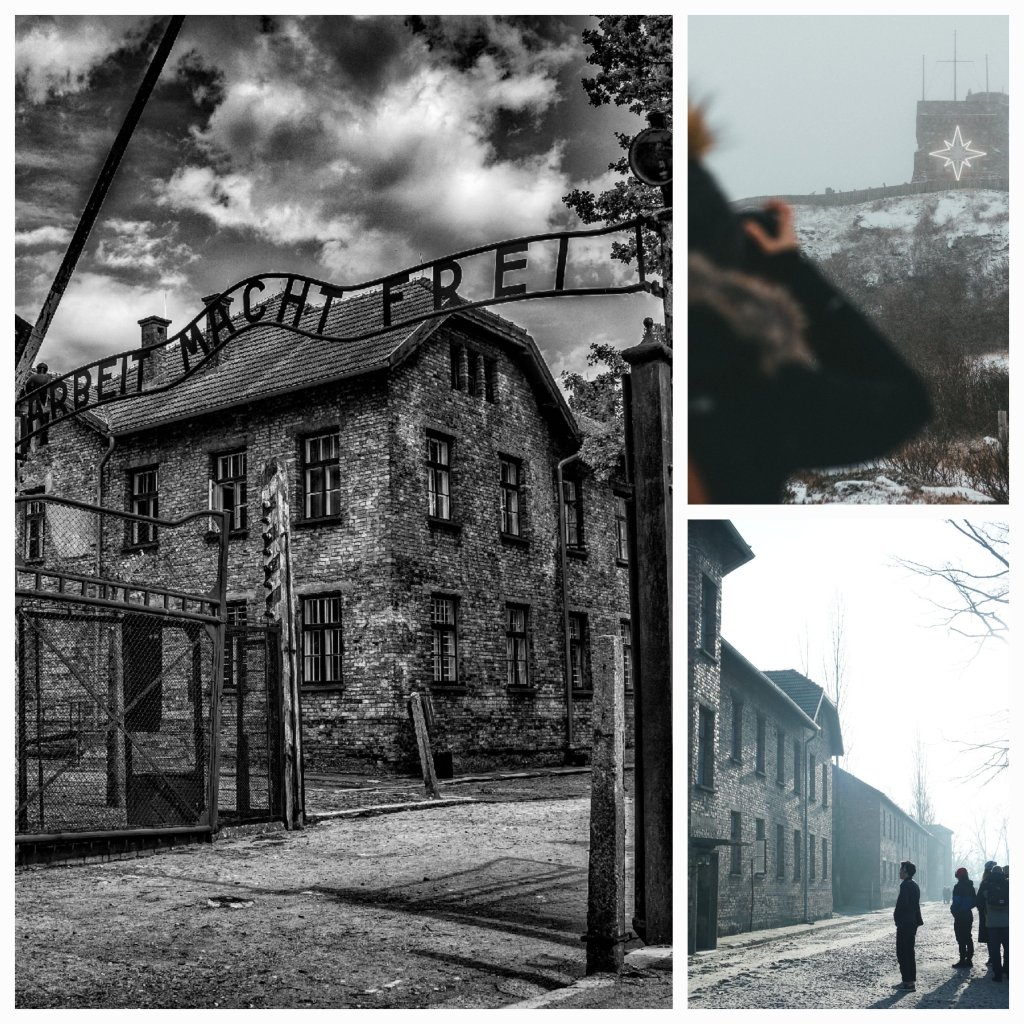
The absence of a memorial where Hitler died is a poignant reminder of the importance of remembrance. While some argue that a memorial would risk glorifying Hitler, the lack thereof highlights the need to acknowledge history without perpetuating the myth. Memorials, museums, and educational initiatives dedicated to preserving the memory of the Holocaust and the atrocities committed under Hitler’s regime serve as reminders of the consequences of lies, propaganda, and unchecked power.
Conclusion:
Hitler’s life provides us with valuable lessons about the ephemeral nature of lies and propaganda. Although he was able to manipulate public opinion for a time, the truth eventually emerged, dismantling his carefully crafted image. The absence of a memorial where Hitler died serves as a potent symbol of the transience of falsehoods. It reminds us of the importance of truth, education, and remembrance in countering lies and propaganda. By learning from history, we can strive to create a society rooted in truth, justice, and compassion, ensuring that the atrocities committed during Hitler’s reign are never repeated.

 Poetry Hub
Hello. Thanks for visiting. I’d love to hear your thoughts! What resonated with you in this piece? Drop a comment below and let’s start a conversation.