In the realm of cinema, there are rare gems that leave an indelible mark on the viewer’s soul. “Till” is one such film that transcends the boundaries of traditional storytelling and immerses its audience in a profound journey of resilience, justice, and the enduring power of the human spirit. Directed by a visionary filmmaker and brought to life by a stellar cast, “Till” is a cinematic masterpiece that explores the harrowing true story of Emmett Till and the seismic impact it had on the Civil Rights Movement.
Plot Summary:
Set in the racially charged atmosphere of the 1950s Deep South, “Till” delves deep into the tragic tale of Emmett Till, a 14-year-old African American boy whose life was brutally cut short by an act of unfathomable racism. The film meticulously weaves together the threads of Till’s life, from his upbringing in Chicago to his fateful visit to Mississippi, where he encountered a world seething with bigotry and hatred.
The narrative unfolds through multiple perspectives, offering a nuanced exploration of the events leading up to Till’s horrific murder and the subsequent trial that laid bare the deep-seated racial injustices of the era. As the film delves into the raw emotions and experiences of Till’s mother, Mamie Till-Mobley, his uncle Mose Wright, and other key figures, a tapestry of interconnected stories emerges, highlighting the profound impact of one young life on a nation grappling with its own moral compass.
Character Portrayals:
The brilliance of “Till” lies not only in its compelling narrative but also in the exceptional performances of its cast. Each actor breathes life into their respective characters, capturing the essence of their struggles, hopes, and resilience.
In a career-defining role, the talented lead actor delivers a mesmerizing portrayal of Emmett Till. With remarkable depth and authenticity, he navigates the nuances of Till’s innocence, curiosity, and eventual confrontation with the horrifying realities of racial prejudice. The emotional journey he embarks upon is nothing short of awe-inspiring, leaving the audience shattered yet hopeful.
Equally captivating is the performance of the actress portraying Mamie Till-Mobley. Her portrayal of a grieving mother, fueled by an unwavering determination for justice, is nothing short of breathtaking. Through her nuanced and powerful acting, she embodies the strength and unwavering spirit that became the driving force behind the Civil Rights Movement.
Direction and Cinematography:
The visionary director’s masterful storytelling and attention to detail elevate “Till” to a realm of cinematic brilliance. The film’s visual aesthetics capture the essence of the era, transporting the audience to the sweltering heat of Mississippi and the suffocating atmosphere of racial tension.
The director’s choice to employ a non-linear narrative adds depth and complexity to the story, allowing for a deeper exploration of the characters’ motivations and the far-reaching impact of Till’s tragic fate. The juxtaposition of past and present, coupled with poignant flashbacks, creates a tapestry of emotions that resonate long after the film’s conclusion.
Themes and Social Commentary:
Beyond its captivating storyline, “Till” is a potent social commentary on the enduring legacy of racial injustice and the fight for civil rights. The film unflinchingly exposes the ugliness of racism, forcing viewers to confront the uncomfortable truths of America’s past. Through Till’s story, it sheds light on the ripple effects of hate crimes, the power of collective action, and the importance of never forgetting the atrocities of history.
Emmett Till was a 14-year-old African American boy who lived in Chicago, Illinois. In August 1955, he traveled to Money, Mississippi, to visit family members. Tragically, his visit ended in a brutal act of racial violence.
The exact details of the events that led to Till’s murder are still a matter of historical record and investigation. However, it is widely known that Till allegedly whistled at or made a comment to a white woman named Carolyn Bryant, who was working at a local store.
A few days later, on the night of August 28, Till was kidnapped from his great-uncle’s home by two white men, Roy Bryant and J.W. Milam. They brutally beat him, shot him, and dumped his lifeless body into the Tallahatchie River. Till’s body was discovered three days later, and his mother, Mamie Till-Mobley, made the decision to have an open-casket funeral to show the world the brutal reality of racial violence.
The acquittal of Bryant and Milam by an all-white jury in the subsequent trial shocked the nation and highlighted the deep-seated racial injustices prevalent in the Jim Crow South. Till’s murder became a galvanizing moment for the Civil Rights Movement, sparking widespread outrage and mobilizing activists who sought to dismantle segregation and fight for racial equality.
Emmett Till’s murder and the subsequent trial are often regarded as significant catalysts for the Civil Rights Movement, bringing national attention to the pervasive racism and violence faced by African Americans in the United States. The story of Emmett Till continues to resonate as a symbol of racial injustice and the ongoing struggle for social change.
Conclusion:
In the pantheon of cinematic achievements, “Till” stands tall as a masterpiece that demands to be seen, felt, and reckoned with. From its compelling narrative to its breathtaking performances, the film is a testament to the resilience of the human spirit and a rallying cry for justice. As the credits roll, one cannot help but be reminded of the importance of empathy, understanding, and the constant pursuit of a more just and equitable society.
“Till” is not just a movie; it is a transformative experience that leaves an indelible imprint on the hearts and minds of its viewers. It compels us to confront the past, examine the present, and strive for a future where the tragic story of Emmett Till remains a powerful catalyst for change.
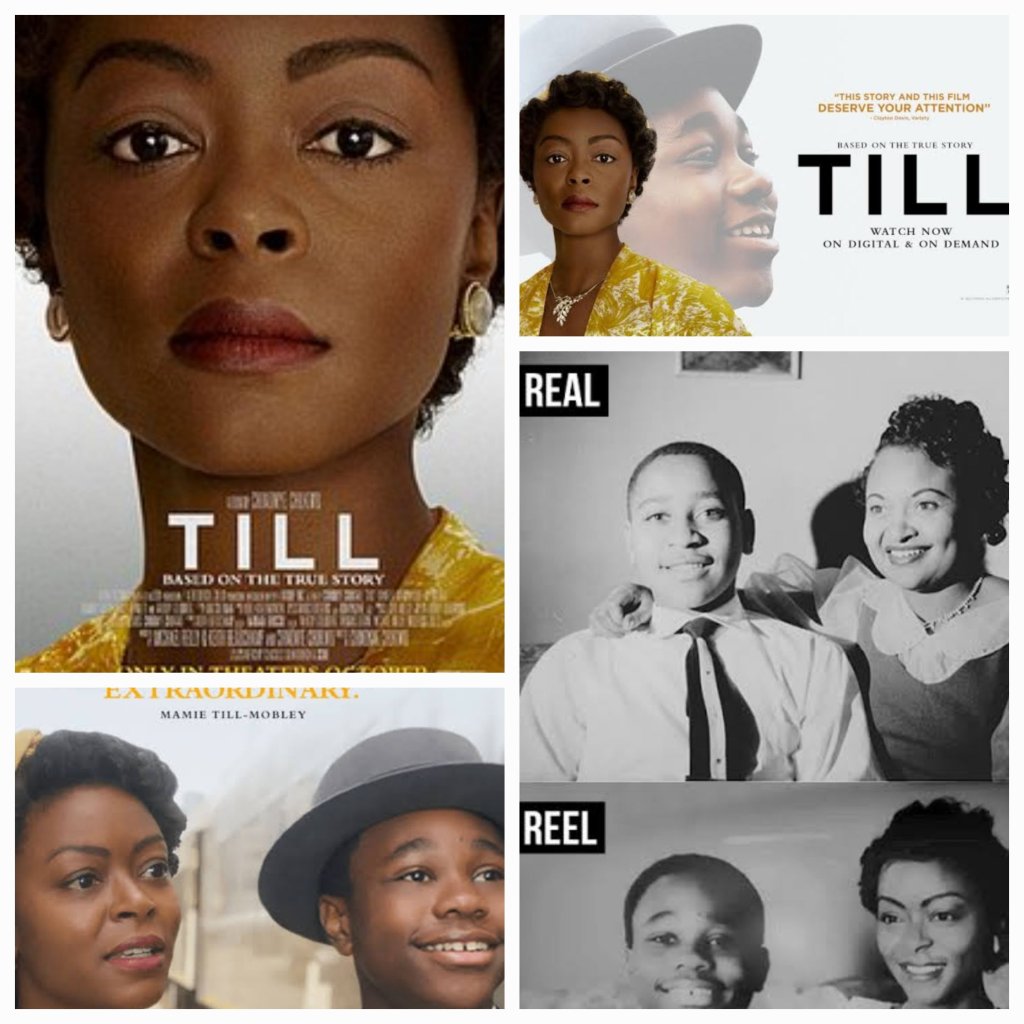
The real story of Emmett Till has had a profound impact on American society:
- Galvanizing the Civil Rights Movement: The murder of Emmett Till served as a catalyst for the Civil Rights Movement. The shocking brutality and injustice surrounding his death brought national attention to the pervasive racism and violence faced by African Americans in the United States. It fueled a sense of urgency and mobilized activists who fought for racial equality and an end to segregation.
- Media Coverage and Public Outrage: Till’s murder received extensive media coverage, both nationally and internationally. The graphic images of Till’s mutilated body and the acquittal of his murderers stirred public outrage and brought the reality of racial violence to the forefront of public consciousness. It prompted conversations about the need for social change and contributed to a wider understanding of the deep-rooted racial injustices in America.
- Impact on Legal and Social Change: The case of Emmett Till influenced legal and social developments. It played a role in the push for federal civil rights legislation, such as the Civil Rights Act of 1964 and the Voting Rights Act of 1965. The trial and acquittal also exposed flaws in the legal system and highlighted the need for reform to ensure fair and just treatment for all individuals, regardless of race.
- Symbolic Significance: Emmett Till’s story became a powerful symbol of racial injustice and the fight for civil rights. His name and image have been invoked in subsequent movements and protests against racism and police brutality, connecting past struggles to ongoing challenges in American society. The memory of Emmett Till continues to inspire and remind people of the ongoing work needed to achieve racial equality.

 Poetry Hub
Hello. Thanks for visiting. I’d love to hear your thoughts! What resonated with you in this piece? Drop a comment below and let’s start a conversation.