What do you love about where you live?
In the vast tapestry of the Indian subcontinent, where culture, history, and diversity converge, the question “What do you love about where you live?” reveals a harmonious blend of feelings and life encounters that deeply touch the souls of all the Indians. India, a land where tradition dances hand in hand with modernity, where spirituality mingles with bustling city life, offers a plethora of reasons to love the place one calls home.
Cultural Kaleidoscope:
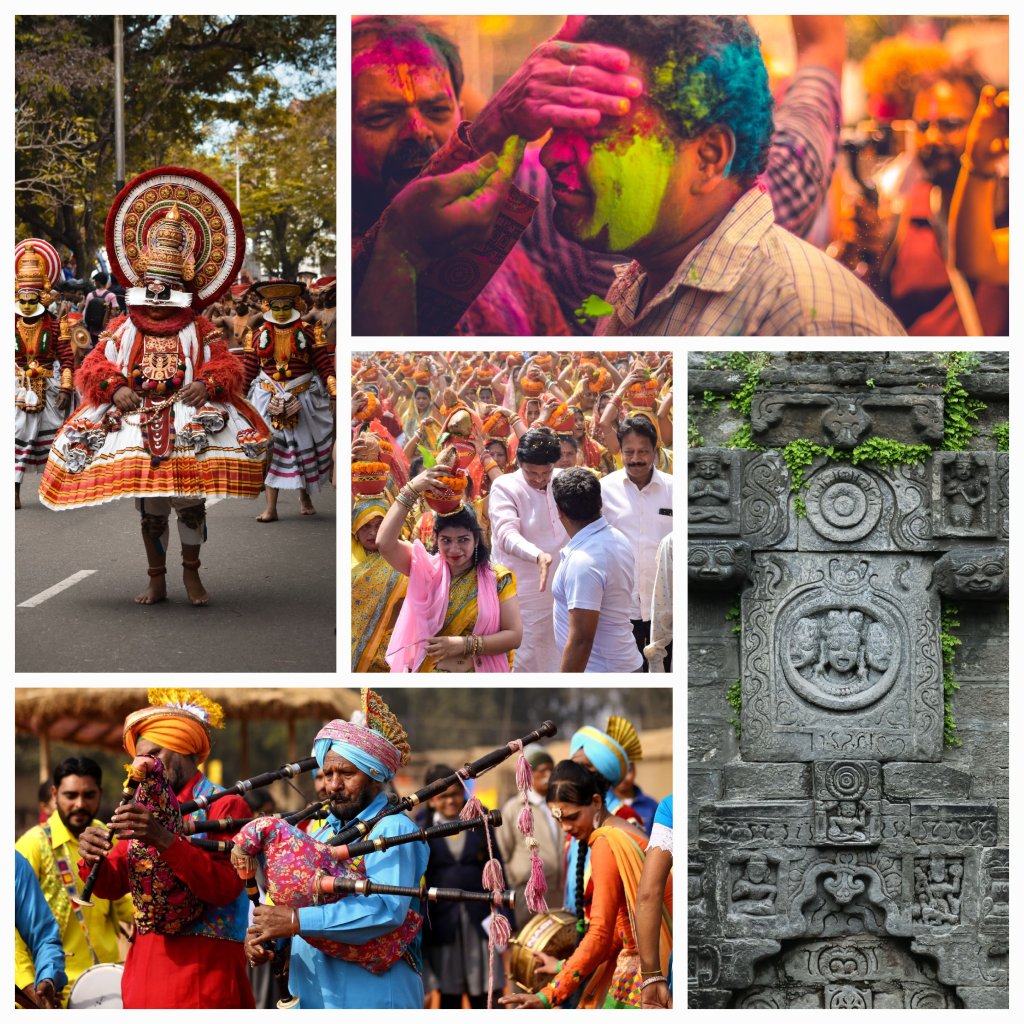
What captivates the soul about living in India is its rich cultural tapestry. Every region is a unique stroke in the vast canvas of tradition. The myriad festivals that light up the landscape throughout the year are a testament to the country’s multicultural ethos. From the vibrant colors of Holi to the devotion of Diwali, these celebrations transcend religious and geographical boundaries, binding communities together.
Land of Spirituality:
India’s spiritual legacy is another facet that enchants its residents. Temples, mosques, churches, and monasteries stand as testament to the country’s reverence for the divine. From the sacred shores of Varanasi to the tranquility of Dharamshala, spirituality weaves its threads into the very fabric of everyday life, offering solace and introspection.
Unity in Diversity:
One cannot overlook the harmonious coexistence of diverse cultures, languages, and lifestyles. India’s unity in diversity is a source of pride for its people. In every corner of the country, one encounters different languages, cuisines, and customs, yet there is a shared sense of belonging that bridges the gaps.
Culinary Odyssey:
The culinary landscape of India is a journey in itself. From the fiery flavors of the North to the aromatic spices of the South, each region offers a tantalizing array of dishes that cater to every palate. The street food culture, where vendors craft masterpieces out of humble ingredients, is a testament to the creativity and resourcefulness of the Indian people.
Natural Abundance:
The geographical diversity of India is awe-inspiring. From the majestic Himalayas in the North to the serene backwaters of Kerala in the South, the country boasts landscapes that range from breathtakingly sublime to exquisitely picturesque. India’s flora and fauna are equally diverse, reflecting the harmony that exists between nature and its inhabitants.
Celebration of Heritage:
Living in India is like being a part of an ongoing legacy. Ancient monuments like the Taj Mahal, Qutub Minar, and Ellora Caves are living testament to the country’s architectural prowess and historical significance. Walking through these structures is like stepping into a time machine, connecting the past with the present.
Heartwarming Hospitality:
What truly makes India a cherished place to live is its people. The warmth and hospitality of its inhabitants are unparalleled. Whether in the bustling streets of Mumbai or the serene villages of Rajasthan, the sense of community and camaraderie is palpable.
A Land of Opportunities:
In the bustling cities and the quiet towns, India offers a multitude of opportunities. The country’s growth in technology, innovation, and entrepreneurship is remarkable. From Bollywood to Silicon Valley, the paths to success are diverse and ever-expanding.
In the context of India, the question “What do you love about where you live?” evokes a mosaic of sentiments. It’s the blend of ancient wisdom and modern dynamism, the fusion of colors, sounds, and tastes, and the embrace of unity amidst diversity. It’s the ability to witness history unfold, to partake in rituals that span centuries, and to be part of a vibrant, ever-evolving society. It’s the heartwarming connections with people from different walks of life and the privilege of calling a land so rich in heritage, culture, and opportunity, home.
Amidst the chronicles of time, India’s original name, Bharatvarsh or Bharat, resonates with a profound significance that reaches back to the very roots of its cultural and historical heritage. It is a name that carries within it the essence of a nation, the embodiment of its ethos, and the testament to its timeless legacy.
Bharatvarsh: The Cradle of Civilization:
The name “Bharatvarsh” traces its origin to ancient scriptures and epics, particularly the Mahabharata and the Puranas. In these sacred texts, Bharatvarsh is described as the land that extends from the Himalayas to the southern seas. It encapsulates the diverse geography, cultures, and spiritual traditions that define the Indian subcontinent. “Bharat” is believed to have been derived from the legendary king Bharata, a figure intertwined with the land’s mythic history.
Significance of Bharatvarsh: Unity in Diversity:
The name Bharatvarsh reflects the concept of “unity in diversity” that lies at the core of India’s identity. It acknowledges the multiplicity of languages, cultures, religions, and traditions that coexist within its borders. It signifies the synthesis of a nation where myriad identities thrive in harmony, bound together by a shared history and an intertwined destiny.
Bharat: Symbolism and Essence:
“Bharat,” as an alternative name for India, carries a deeper symbolism. It is often interpreted as a combination of two Sanskrit words, “bha” meaning light and “rat” meaning engaged or devoted. Thus, “Bharat” can be interpreted as the land that is illuminated by knowledge, wisdom, and righteousness. This name encapsulates the aspiration for enlightenment and a commitment to values that guide human existence.
Transition to India: A Colonial Encounter:
The transition from “Bharat” to “India” is rooted in the colonial encounter. During the British colonial rule, the name “India” was derived from the river Indus. It was a label that conveniently served colonial interests, streamlining governance and administration. However, this shift marked more than a change in nomenclature; it marked a transformation in how the world perceived this ancient land.
Reclaiming Identity: An Emblem of Freedom:
As India marched towards its struggle for independence, the name “Bharat” gained renewed prominence. It became a rallying cry for reclaiming cultural and national identity. The movement sought to shed the colonial vestiges and restore the connection between the land, its people, and their historical legacy. With independence in 1947, the official name of the nation was established as “Bharat” in Hindi and “India” in English.
A Continuum of Identity:
The shift from “Bharat” to “India” encapsulates the country’s journey through centuries of transformation, resilience, and reclamation. While “Bharatvarsh” speaks to the ancient roots, spiritual wisdom, and cultural diversity, “India” reflects a modern nation stepping onto the global stage. Both names are threads in the tapestry of a nation’s narrative, and together, they embrace the past and present of this vibrant land.
In the end, the name “Bharatvarsh” or “Bharat” is not merely a linguistic designation; it is a philosophical emblem, an embodiment of ideals that shape a nation. It signifies the continuity of a people’s identity and the unbroken thread of history that has woven India into the fabric of human civilization. The transition to “India” serves as a reminder of the colonial chapter in its narrative, while “Bharat” is a testament to the profound ethos that underpins its culture and aspirations.

 Poetry Hub
Hello. Thanks for visiting. I’d love to hear your thoughts! What resonated with you in this piece? Drop a comment below and let’s start a conversation.