In the grand theater of existence, nature assumes the role of an intricate web woven with threads of life, energy, and harmony. It is a realm where every creature, every element, dances in orchestrated symphony, each note resonating with purpose. Yet, within this sublime composition, a dissonant chord has emerged – a silent protest, a whispered outcry against humanity’s disregard for its abundant gifts and the insatiable hunger for more.
The Earth, our cradle and sustainer, has borne witness to the evolution of civilizations, the rise and fall of empires, and the crescendo of progress. But with each passing epoch, the echoes of exploitation and neglect have grown louder, forming a haunting refrain that echoes through time. Nature, in its wisdom, has begun to wield its own voice, protesting the imbalance created by humanity’s insatiable appetites.
As industrialization paved the path for human advancement, the price was often paid by the very source that nurtured us – the land, the waters, the air. Forests, ancient and teeming with life, fell to the relentless blade of progress. Oceans, once brimming with abundance, became repositories of plastic and toxins. The air, once pure and invigorating, now carries the weight of pollutants. Nature, in its silence, has become a silent protester, a witness to the degradation of its own sacred space.
The consequences of this reckless march of progress are becoming ever more apparent. Climate change, the result of heedless exploitation of fossil fuels and disregard for ecological balance, is nature’s manifesto of discontent. Rising temperatures, melting ice, erratic weather patterns – these are not just random acts of nature, but the consequences of humanity’s collective choices. Nature’s protest is inscribed in the intensification of natural disasters, the warning signs etched upon the landscape.
The intricate balance that once held the delicate tapestry of ecosystems together is now fraying at the edges. Species, both iconic and obscure, teeter on the precipice of extinction, their silent cries of survival intermingling with the broader protest. Coral reefs, vibrant cities beneath the waves, are bleaching into pale shadows, a metaphor for the fading vibrancy of our planet’s life force. Nature’s protest is painted in the muted hues of loss and decay.
Yet, in the midst of this protest, there is a glimmer of hope – a reminder that nature’s resilience is a force to be reckoned with. Reforestation efforts take root, breathing life back into barren landscapes. Conservation initiatives seek to protect the last strongholds of biodiversity. Renewable energy sources rise like beacons of innovation, offering a path towards a more harmonious coexistence.
Nature’s protest is a call to action, a plea to awaken the slumbering conscience within humanity. It speaks of interconnectedness, of the delicate threads that bind us to the world around us. As the protests grow louder, it becomes clear that the fight is not against nature, but against the very impulses that drive us to exploit it. It is a fight against greed, ignorance, and short-sightedness.
In the end, the protest of nature is not one of anger or vengeance, but of survival and restoration. It is a reminder that we are custodians, entrusted with the sacred duty of stewardship. As we navigate the complex landscape of our relationship with the natural world, may we heed nature’s protest as a wake-up call, a chance to rewrite the narrative and forge a new harmony – one where appreciation, respect, and coexistence are the driving forces.
The protest of nature is a call for equilibrium, as it endures the scars of our choices. Let’s acknowledge our shared responsibility in this intricate dance of life. By rekindling our respect for the Earth’s resources, we can mend the fractures and find ourselves in step with the world we call home. Nature’s silent plea reverberates through ecosystems in distress, urging us to embrace our role as stewards. It’s time to rewrite our narrative, aligning our steps with the rhythm of the Earth. By heeding nature’s call and fostering coexistence, we can harmonize with the environment and compose a better future. In the symphony of existence, nature’s voice is soft but resolute, murmuring a protest against humanity’s heedless pursuit. As we witness the consequences of our choices in melting glaciers and vanishing species, let us join the harmony, mending the chords of balance, and preserving the Earth’s delicate melodies.
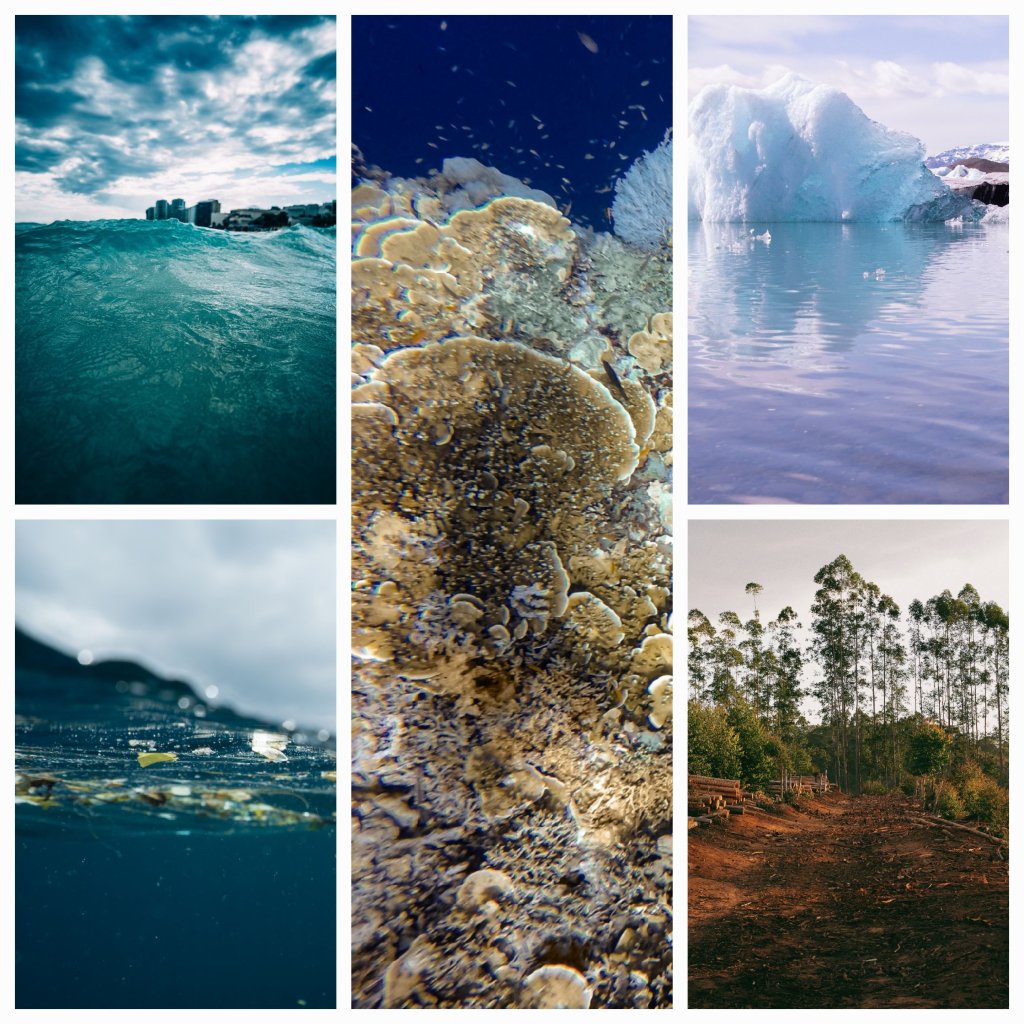
Incident 1: Silent Protest of Bleached Coral Reefs
In the azure depths of the ocean, a silent protest unfolds as coral reefs, once vibrant and teeming with life, turn ghostly white. This phenomenon, known as coral bleaching, is a stark manifestation of rising sea temperatures due to climate change. The coral polyps, essential components of marine ecosystems, expel the symbiotic algae that provide them with color and sustenance, rendering them pale and vulnerable. This protest is nature’s way of showing the world the consequences of human-induced climate change, urging us to take action before these intricate underwater cities crumble into oblivion.
Incident 2: Glacial Melting in the Himalayas
High in the majestic Himalayan mountains, a dissonant chord resounds as glaciers, once steadfast and eternal, begin to retreat at an alarming rate. The melting ice contributes to rising sea levels and threatens the freshwater resources of millions. In 2019, the Gangotri glacier in India retreated more than 80 feet in less than a year. This protest of nature is a poignant reminder that even the most enduring natural wonders are not immune to the impacts of human activities, especially those linked to climate change.
Incident 3: Plastic Islands in the Ocean
As humanity’s insatiable hunger for convenience produces mountains of plastic waste, an eerie protest emerges in the world’s oceans – vast patches of floating debris known as “plastic islands.” The Great Pacific Garbage Patch, one such expanse located between Hawaii and California, is estimated to be twice the size of Texas. Nature’s protest lies in the plight of marine life that becomes entangled in this man-made sea of refuse or mistakenly ingests toxic microplastics. It’s a distressing visual reminder that our disregard for the environment has far-reaching consequences.
Incident 4: Amazon Rainforest Deforestation
In the heart of the Amazon rainforest, a silent outcry emerges as hectares of lush, biodiverse land are cleared for agricultural expansion and logging. The protest is echoed in the dwindling habitats of countless species, the loss of carbon-sequestering trees, and the disruption of indigenous communities. The rainforest, often referred to as the “lungs of the Earth,” plays a vital role in global climate regulation. Its degradation serves as a testament to humanity’s shortsightedness and disregard for the intricate web of life that thrives within its depths.
Incident 5: Rising Sea Levels Impacting Coastal Communities
On coastlines around the world, the silent protest of rising sea levels unfolds as communities grapple with saltwater intrusion, erosion, and displacement. The inhabitants of low-lying regions, from the Maldives to Bangladesh, are on the frontline of nature’s protest against human-induced climate change. Homes are swallowed by encroaching waters, livelihoods are threatened, and the very existence of these communities hangs in the balance. This protest of nature serves as a stark reminder that the consequences of our actions are not confined to distant horizons.
In these real-life incidents, nature’s protest is not a metaphor but a tangible reality. These events are emblematic of the dissonance that arises when humanity’s actions collide with the delicate balance of the natural world. They stand as testament to the urgency of acknowledging our shared responsibility, embracing sustainability, and harmonizing our existence with the planet that sustains us.

 Poetry Hub
Hello. Thanks for visiting. I’d love to hear your thoughts! What resonated with you in this piece? Drop a comment below and let’s start a conversation.