Carpal tunnel syndrome, a condition that affects countless individuals, emerges as a relentless adversary, challenging our ability to navigate the world with ease. Within the layers of the human wrist, where intricate machinery of tendons, nerves, and ligaments coexist, a delicate balance is disrupted, leading to a cascade of discomfort and limitations.
In the realm of literature and prose, we embark on a journey to explore the depths of this syndrome, unearthing its multifaceted nature and the impact it has on those who experience its presence. Through the power of words, let us delve into the realm of carpal tunnel syndrome, weaving together a tapestry that captures the essence of this condition and its effect on the human experience.
In the realm of our digital age, where technology intertwines seamlessly with our daily lives, the prevalence of carpal tunnel syndrome becomes an undeniable reality. It is a haunting reminder that our bodies, marvelously adaptable though they may be, can be strained and tested by the repetitive motions we subject them to. Hours spent typing away at keyboards, incessantly scrolling through screens, and repetitively gripping tools can all add to the strain on our wrists and hands.
At first, the signs may appear innocuous—a faint tingling sensation, fleeting discomfort, or a slight loss of dexterity. But gradually, these whispers escalate, transforming into persistent pain, numbness, and weakness that can have a profound impact on our productivity, our hobbies, and even our daily routines.
Carpal tunnel syndrome, named after the tunnel-like structure formed by wrist bones and ligaments, acts as an unwelcome guest in our lives. It occurs when the median nerve, responsible for transmitting sensation and controlling movement in the thumb, index, middle, and half of the ring finger, becomes compressed. The delicate dance of tendons and other structures within the carpal tunnel becomes disrupted, leading to a myriad of symptoms that can range in severity.
Imagine a morning where the simple act of grasping a toothbrush becomes an arduous endeavor, as if the once-familiar movements have become cloaked in resistance. The tasks we once took for granted—typing emails, tying shoelaces, or even enjoying a hobby—now elude us, creating a frustrating sense of helplessness.
But amidst the frustration and limitations, resilience rises like a phoenix from the ashes. As human beings, we possess a remarkable capacity to adapt, to seek solutions, and to harness innovative approaches. It is in this spirit of resilience that we confront carpal tunnel syndrome, seeking remedies and interventions that can restore balance to our lives.
For some, the journey begins with modifications to our daily routines and workspaces. Ergonomic keyboards and mice, wrist splints, and frequent breaks provide a glimmer of relief. We learn to listen to the subtle whispers of our bodies, taking moments to stretch, to move, and to cultivate a mindful connection with our physical selves.
Alongside physical interventions, the power of knowledge and understanding becomes our greatest ally. We educate ourselves on the intricacies of the condition, its causes, and preventative measures. We become proactive participants in our own well-being, seeking guidance from healthcare professionals, engaging in exercises that foster strength and flexibility, and embracing techniques that alleviate the strain on our exhausted wrists.
Yet, as we delve into the depths of carpal tunnel syndrome, we uncover a broader narrative—one that intertwines with the constant pull of our modern lifestyles. Our constant connection to digital devices, the demands of a society that prizes productivity above all else, and the sedentary nature of our work contribute to the prevalence of this condition. It becomes a poignant reminder that the delicate balance between our technological advancements and the well-being of our physical selves requires careful consideration.
As we reflect upon the intricate dance between our aspirations and the limitations imposed by carpal tunnel syndrome, we are reminded of our collective responsibility. From policymakers to employers, educators to individuals, we must champion initiatives that prioritize the well-being of our hands and wrists. By creating cultures that value breaks, implement ergonomic solutions, and foster a sense of balance, we can empower individuals to thrive and create without sacrificing their long-term physical health.
In this generous landscape of words, we have attempted to capture the essence of carpal tunnel syndrome—a condition both chilling and transformative. It stands as a reminder of the fragility and resilience of the human body, urging us to seek balance, to adapt, and to navigate the challenges before us with grace and determination.
So, let us embrace a future where carpal tunnel syndrome is met with compassion and understanding. Let us weave a narrative that moves beyond limitations, that allows us to reclaim our ability to create, and that shines a light on the path towards a harmonious coexistence between our digital endeavors and the well-being of our wrists.
In the realm of carpal tunnel syndrome, a journey unfolds through various stages, each bearing its own unique challenges and manifestations. Like the ebb and flow of a meandering river, this condition progresses, leaving an indelible mark on the lives it touches.
First, whispers of discomfort begin to emerge—a fleeting twinge here, a subtle tingling there. It is the stage of mild inconvenience, where occasional moments of hand and wrist discomfort disrupt our routines ever so slightly. We brush it off as a passing nuisance, unaware of the underlying storm gathering momentum within.
But as time dances forward, the whispers grow bolder, evolving into a persistent presence. Now, in the stage of moderate affliction, the discomfort intensifies—tingling sensations take residence, echoing through our fingers like faint whispers of unrest. Numbness creeps in, stealing sensation like a thief in the night, leaving us grasping for the familiar touch of our fingers against the world. Weakness joins the ensemble, robbing us of the strength we once took for granted, casting doubts on even the simplest of manual tasks.
Yet, in the realm of carpal tunnel syndrome, the storm is far from over. It gathers strength, pushing further into the stage of severe debilitation. At this juncture, pain asserts its dominance, charging through our wrists like lightning bolts of anguish. Our hands become alien strangers, estranged from their former dexterity, incapacitated by the forces of compression besieging the median nerve. Sleep becomes elusive, as nighttime brings forth a symphony of discomfort, a cacophony of throbbing and burning that steals away the respite of rest.
As the stage of severe debilitation unfolds, daily life feels heavy, burdened by the limitations imposed upon us by this unyielding condition. Simple tasks of self-care, such as brushing our teeth or fastening buttons, become monumental challenges. Our relationships with technology and work undergo a tectonic shift, as typing and scrolling become arduous feats, fraught with pain and frustration. We yearn for relief, for a return to the days when our hands danced effortlessly across the keyboard, when our wrists were allies rather than adversaries.
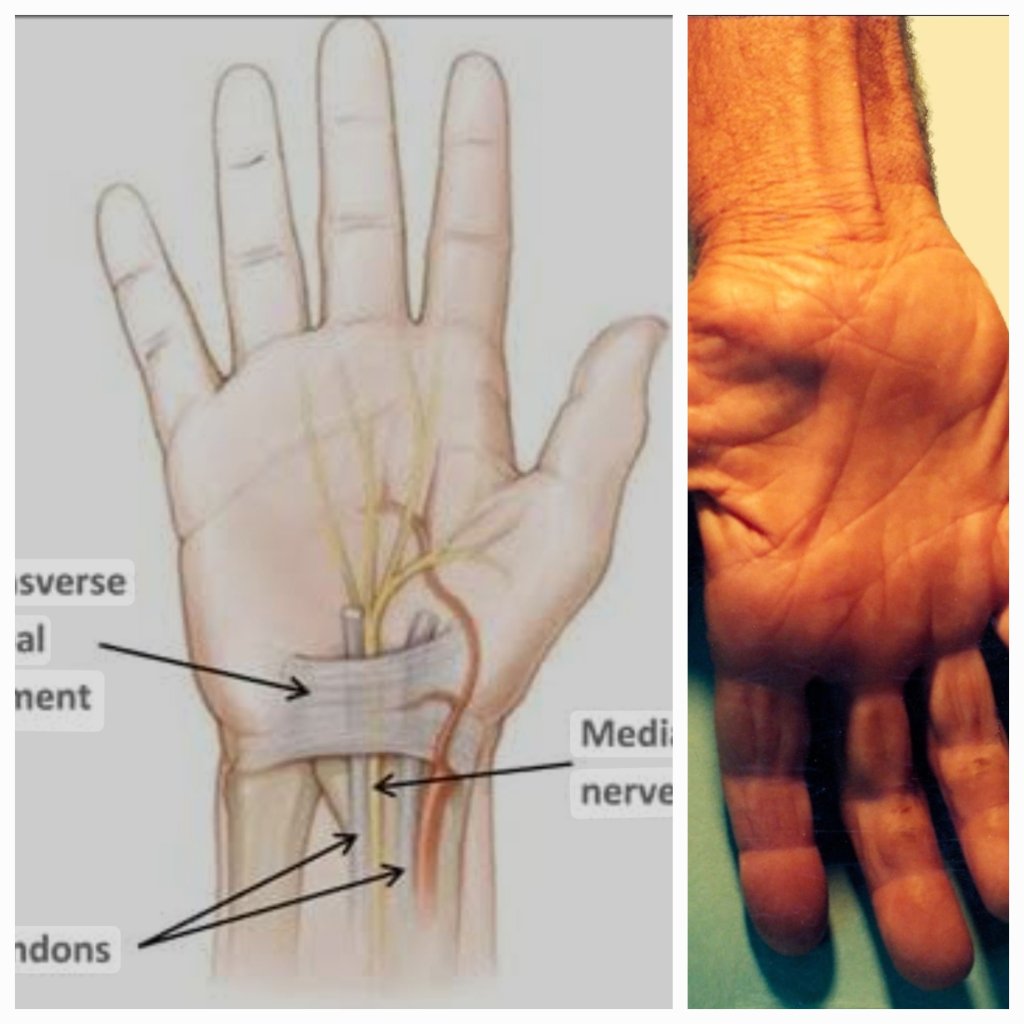
But even as the storm rages, hope flickers amidst the tempest. The human spirit, resilient and indomitable, seeks solace in the potential for healing. From the realm of medical interventions to lifestyle modifications, a path to restoration unfolds. Splints become shields, bracing our wrists against the relentless pressure. Physical therapy wields its healing touch, nourishing our bodies with exercises and stretches that reawaken dormant strength. In the realm of severe cases, surgical intervention offers a glimmer of respite, carving a path towards liberation and renewed functionality.
In the tapestry of carpal tunnel syndrome, the stages intertwine, weaving together a narrative of discovery, adaptation, and triumph. It is a journey that tests our resolve, urging us to confront our limitations, seek help, and strive for balance. Through understanding and proactive measures, we navigate the landscape with resilience, treating the stages as signposts guiding us towards a future where pain subsides and freedom reigns.
So, let us recognize the stages of carpal tunnel syndrome as chapters in our story, rather than mere obstacles. Let us nurture compassion, both for ourselves and for others who traverse this path. And may we find solace in the knowledge that within the turbulent currents lies the potential for healing, a beacon of hope guiding us towards a world where our hands, once burdened by the storm, are restored to their rightful place of strength and grace.
This post is a part of Blogchatter Half Marathon 2023

 Poetry Hub
Hello. Thanks for visiting. I’d love to hear your thoughts! What resonated with you in this piece? Drop a comment below and let’s start a conversation.