Ancient Tribes in Central America and Their Gods: A Journey Through Mythology and Belief Systems
Central America is known for its rich and diverse cultural heritage, with a history that stretches back thousands of years. The ancient civilizations that thrived in this region left behind a legacy of remarkable architectural wonders, advanced agricultural practices, and intricate belief systems. A cornerstone of these belief systems was the worship of a pantheon of gods and goddesses who played a significant role in the lives and cosmology of the ancient tribes in Central America.
In this article, we will embark on a fascinating journey to explore the gods and goddesses revered by some of the major ancient tribes in Central America, including the Maya, Aztecs, Olmecs, and Zapotecs. We will delve into their myths, rituals, and the ways in which these divine figures shaped religious practices and cultural identity.
- The Maya Civilization:
The Maya civilization, which flourished from around 2000 BCE to the 16th century CE, inhabited the region extending from modern-day Mexico to Guatemala and Belize. Their belief system was deeply rooted in nature and the cycles of the cosmos. They worshipped a vast pantheon of gods and goddesses, each associated with different aspects of life, such as agriculture, rain, fertility, and warfare. The supreme deity, Itzamna, was considered the creator of the universe and the source of wisdom.
Itzamna, the supreme deity revered by the ancient Maya civilization, held a prominent position in their complex pantheon of gods and goddesses. Known as the “First Father” or the “Lord of the Sky,” Itzamna was believed to be the creator of the universe and the source of all knowledge and wisdom. As the divine patron of writing, healing, and the arts, Itzamna played a crucial role in shaping the cultural and intellectual aspects of Maya society.
According to Maya mythology, Itzamna descended from the heavens during the creation of the world, bringing with him the sacred knowledge necessary for human civilization to thrive. With his incredible wisdom, Itzamna bestowed essential gifts upon humanity, such as agriculture, science, astronomy, and writing. As the god of writing, his name even became associated with the Mayan hieroglyphic script, underscoring his significance as the ultimate arbiter of knowledge and communication.
Itzamna was often depicted as an elderly figure, adorned with a headdress resembling a serpent and symbolic of his connection to the heavens above. This serpent iconography further linked him to cosmic forces, representing his ability to traverse the realms of the divine and the earthly. Itzamna’s depiction also occasionally featured a giant caiman or a bird perched on his head, emphasizing his association with water, fertility, and the natural world.
Worship of Itzamna permeated all aspects of Maya life and embraced both religious and secular contexts. In religious rituals, his presence was invoked to ensure bountiful harvests, good health, and protection from misfortune. Maya priests revered him as the high god and intermediary between humanity and the celestial realm. They conducted elaborate ceremonies and offered sacrifices to honor Itzamna, seeking his blessings and guidance.
Beyond his role as the creator and bestower of wisdom, Itzamna embodied the concept of cosmic unity within Maya cosmology. He represented the unifying force that connected all aspects of creation, from the celestial bodies in the sky to the terrestrial realm and the depths of the underworld. Itzamna’s power extended beyond the physical realm, surging through the intricate web of life, aligning the spiritual, natural, and human domains.
Despite the eventual decline of the Maya civilization, the legacy of Itzamna, the supreme deity, endures in the cultural fabric of modern-day Maya communities. The reverence for wisdom, the pursuit of knowledge, and the recognition of the interconnectedness of the cosmos stand as a testament to the enduring significance of Itzamna. The enigmatic figure of Itzamna continues to captivate the imagination of scholars, historians, and enthusiasts alike, serving as a gateway to unlocking the profound spiritual and intellectual traditions of the ancient Maya.
- The Aztec Empire:
The Aztec Empire, with its capital of Tenochtitlan, rose to prominence in the 14th to 16th centuries CE in what is now Mexico. Their religious beliefs were centered around a complex mythology that explained the creation of the world and the role of humans in maintaining cosmic balance. At the heart of their pantheon stood Huitzilopochtli, the sun god and patron deity of war, who demanded constant human sacrifice to ensure the continued existence of the world.
Huitzilopochtli, the central figure in the Aztec pantheon, held immense significance as the sun god and the patron deity of war. Revered by the Aztecs of ancient Mesoamerica, Huitzilopochtli embodied the ferocity and power of the sun while also embodying the survival and flourishing of their civilization. According to Aztec beliefs, the world relied upon the sustenance and energy provided by Huitzilopochtli, necessitating the continual offering of human sacrifices to ensure the stability and continuation of existence.
Huitzilopochtli, often depicted as a fearsome warrior adorned with vibrant feathers and carrying a formidable weapon known as the xiuhcoatl, commanded awe and respect from his followers. As the sun god, he represented the source of light, warmth, and life-giving energy essential to the sustenance of crops, the cycle of seasons, and the overall balance of the natural world. His role as the god of war was closely intertwined with the Aztecs’ militaristic society and expansionist ambitions. They believed that Huitzilopochtli guided and protected them in their conquests, ensuring victory against their enemies.
The worship of Huitzilopochtli was deeply entwined with the concept of sacrifice. The Aztecs believed that only through human offerings, known as “tlamictiliztli,” could they nourish and appease Huitzilopochtli’s insatiable hunger for life-force, thereby securing his favor and preventing catastrophe. Large-scale rituals involving captured prisoners were conducted to provide this vital sustenance to the sun god. The sacrificial ceremonies, while gruesome and brutal by modern standards, were seen as a sacred duty necessary for the preservation of the universe and societal order.
Huitzilopochtli’s guidance and protection extended beyond matters of agriculture and warfare. The Aztecs believed that his influence encompassed various other domains of life, such as fertility, the arts, and the delivery of prophecies. His association with the Aztec capital of Tenochtitlan elevated his importance as the city was considered the center of the universe, with Huitzilopochtli guarding and empowering its people.
While Huitzilopochtli’s demands for human sacrifice may seem inconceivable and barbaric from a modern perspective, it is crucial to understand the deeply ingrained religious and cultural beliefs of the Aztec civilization. Sacrificial offerings were seen as a solemn and sacred duty, performed to honor and sustain the divine forces that governed their existence.
Though the Aztec civilization eventually fell to Spanish conquest in the 16th century, the legacy of Huitzilopochtli continues to captivate modern scholars, archaeologists, and those intrigued by the complexity of ancient belief systems. His dual nature as the sun god and the patron of war embodies the Aztec people’s intimate connection between cosmic forces, warfare, and the essential elements required for their survival. Huitzilopochtli stands as an enduring symbol of the intricate interplay between religion, power, and cultural identity in the ancient Aztec world, leaving an indelible mark on Central American history.
- The Olmec Civilization:
Considered the “mother culture” of Mesoamerica, the Olmec civilization thrived from 1400 BCE to 400 BCE in the Gulf Coast region of present-day Mexico. While much of their belief system remains mysterious, artifacts and sculptures suggest a reverence for deities associated with fertility, rain, and the jaguar. The enigmatic figure known as the “Olmec were-jaguar” is widely regarded as a powerful supernatural being.
The Olmec were-jaguar, an iconic and mysterious figure from ancient Mesoamerican civilization, exudes an aura of mystical power and significance. Depicted as a combination of a human and a jaguar, this mythical creature is a symbol of both the natural world and the supernatural realm. The Olmec were-jaguar’s strong association with the jaguar, a revered and powerful animal in Mesoamerican cultures, underscores its connection to strength, ferocity, and regal authority. In Olmec art and iconography, this hybrid entity is often portrayed with pronounced fangs, almond-shaped eyes, and distinctive jaguar features, embodying a captivating blend of human and animal characteristics. While the exact meaning and purpose of the Olmec were-jaguar figure remain elusive, its prevalence in Olmec artifacts and its recurring presence throughout Mesoamerican cultures indicate its profound significance and its status as a captivating embodiment of the supernatural world. As we delve into the enigmatic world of the Olmec civilization, the figure of the were-jaguar ignites our curiosity and invites us to explore the rich tapestry of ancient beliefs and mythologies. Let its mysterious presence inspire us to embark on a journey of discovery, unlock the secrets of the past, and uncover the profound wisdom and symbolism embedded within the mythical realm of the Olmec were-jaguar.
- The Zapotec Civilization:
The Zapotec civilization emerged in the Oaxaca Valley of southern Mexico around 600 BCE and continued to flourish until the arrival of the Spanish conquistadors. The Zapotecs worshipped a pantheon of gods and goddesses, with Cocijo being one of the most prominent. Cocijo was the rain god, responsible for fertility and agricultural abundance. Ceremonial centers like Monte Albán were dedicated to the veneration of these deities.
Cocijo held a central role in the pantheon of the Zapotec civilization, revered as a powerful god associated with rain, thunder, and lightning. As the bringer of storms and life-giving precipitation, Cocijo played a vital role in the agricultural cycles and the prosperity of the Zapotec people. Represented with characteristic lightning bolts emanating from his body and sometimes depicted with a stylized goggle-eyed appearance, Cocijo embodied the raw energy and awe-inspiring force of thunderstorms. His worshippers sought his benevolence and invoked his presence through rituals and offerings, recognizing his pivotal role in the fertility of their lands and the well-being of their communities. Cocijo’s presence in Zapotec mythology highlights the deep connection between nature, the divine, and human existence—a reminder of the profound interplay between the elements and the reverence our ancestors held for the powerful forces that sustain life. Let Cocijo’s legendary persona inspire us to appreciate the immense power and delicate balance of the natural world, fostering a deeper connection with the awe-inspiring forces that shape our lives.
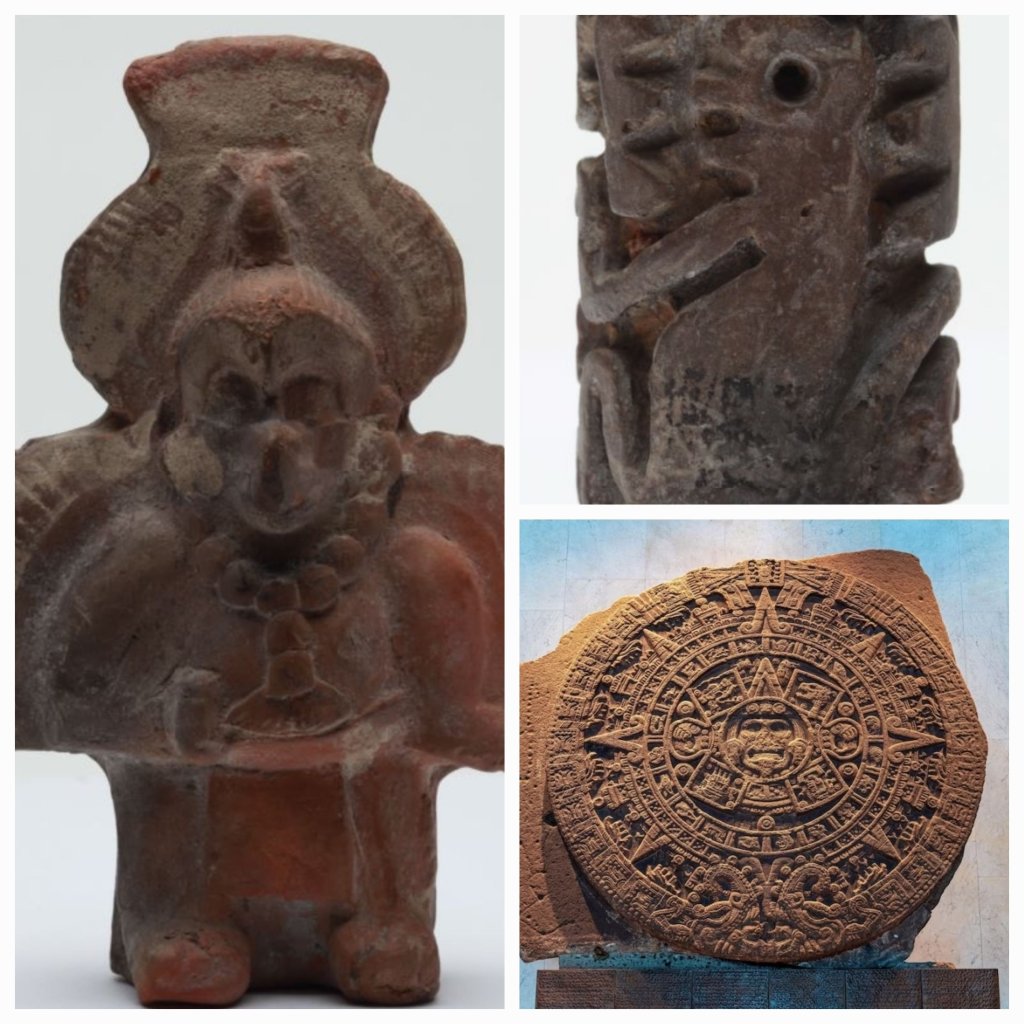
Conclusion:
The ancient tribes of Central America were deeply connected to their natural surroundings, and their belief systems reflected a profound understanding of the world around them. The gods and goddesses they worshipped played a crucial role in the daily lives of these civilizations, influencing agriculture, fertility, warfare, and cosmology. Understanding their mythology and religious practices provides us with valuable insights into the cultural and spiritual heritage of Central America.
Today, the remnants of these ancient belief systems can still be found in the rituals, traditions, and folklore of the indigenous communities that have carried the torch of their ancestors. Exploring the ancient tribes in Central America and their gods invites us to appreciate the resilience, complexity, and beauty of these civilizations, and serves as a testament to the enduring legacy they have left behind.

 Poetry Hub
Hello. Thanks for visiting. I’d love to hear your thoughts! What resonated with you in this piece? Drop a comment below and let’s start a conversation.