The UP BJP government has taken a strict action against the halal-certified products in the state, citing concerns over public health, quality standards, and religious sentiments. According to the news sources, the government has banned the production, storage, distribution, and sale of halal-certified products, except for exports, and has given a 15-day ultimatum to the retailers and wholesalers for disposal of such products. The government has also directed the manufacturers to withdraw 92 products in circulation that have halal certification, and has assigned the UP Special Task Force (STF) to handle this case. The ban follows a police case against a company and several organisations accused of issuing forged halal certificates to manipulate sales based on religious preferences. The halal certification controversy has also sparked a demand for a nationwide ban on halal certification in food, medicines, and cosmetics by some BJP leaders in Karnataka.
Different countries may have different regulations and policies regarding halal certification and consumption. Some states/countries that have taken measures to restrict or ban halal products include:
Uttar Pradesh, India: The state government banned the production, storage, distribution, and sale of food products carrying a halal certification in November 2023, citing public health and national security concerns.
Sri Lanka: The government banned the import of halal meat and poultry in April 2021, claiming that it was a measure to save foreign exchange and support local farmers.
China: The government has been cracking down on halal products and labels since 2017, as part of its campaign to “sinicize” Islam and other religions. The authorities have removed halal signs from restaurants, shops, and products, and have banned halal certification for non-food items such as cosmetics and toiletries. They have also restricted the availability of halal food in some regions, especially in Xinjiang, where the Uyghur Muslim population faces severe repression and persecution.
France: The government has proposed a bill in February 2021 that would ban use of halal and kosher labels on meat products, as well as prohibit the online sale of halal and kosher meat. The bill is part of a larger package to combat “Islamist separatism” and promote secularism.
Background:
Halal is an Arabic term that means “permissible or lawful” according to Islamic dietary laws. It is mainly related to the slaughter and processing of animals for meat consumption, but it also applies to other products such as cosmetics and pharmaceuticals that may contain animal by-products. Halal certification is a process of verifying that a product or service complies with the halal standards and is free from any haram (forbidden) elements. Halal certification is done by various private agencies in India, such as Halal India, Halal Certification Services India, Jamiat Ulama-E-Maharashtra, and Jamiat Ulama-i-Hind Halal Trust. These agencies are recognized by the consumers and the regulators in Islamic countries, where halal certification is mandatory for exports.
Impacts:
Halal certification has several impacts on the Indian market and society, such as:
It provides a competitive edge to the Indian exporters who want to tap into the lucrative halal market, which is estimated to be worth $3.2 trillion by 2024. Halal certification can also increase the consumer (of a particular religion) confidence and trust in the quality and safety of the products.
It creates a niche segment for the Muslim consumers who prefer halal products for their religious and ethical reasons.
It raises some ethical and legal questions about the validity and necessity of halal certification in a secular and diverse country like India. Some critics argue that halal certification is discriminatory, divisive, and unconstitutional, as it violates the fundamental rights of equality, freedom of religion, and freedom of trade. Some also allege that halal certification is a source of corruption, fraud, and money laundering, as some agencies charge exorbitant fees and issue fake certificates.
Affected agencies/organizations:
The recent ban on halal certification in Uttar Pradesh has affected several agencies and organizations, such as:
The halal certifying agencies, who have lost their business and credibility in the state. They have also faced legal action and investigation by the UP Special Task Force (STF) for their alleged involvement in issuing forged halal certificates.
The manufacturers, retailers, and wholesalers of halal-certified products, who have been ordered to stop the production, storage, distribution, and sale of such products in the state. They have also been given a 15-day ultimatum to dispose of the existing stock of halal products or face legal consequences.
The consumers, especially the Muslim consumers, who have been deprived of their choice and preference of halal products in the state. They have also faced the risk of consuming haram products unknowingly due to the lack of proper labeling and verification.
Repercussions:
The ban on halal certification in Uttar Pradesh has also triggered some repercussions, such as:
It has sparked a controversy and a debate over the issue of halal certification in India, with some supporting the ban and some opposing it. It seems the Central Government is planning a uniform and transparent regulatory framework for banning halal certification in the country.
It has created a demand for a nationwide ban on halal certification in food, medicines, and cosmetics by some BJP leaders in Karnataka, who have claimed that halal certification is against the Indian culture and constitution.
It has also raised the possibility of a backlash and a boycott from the Islamic countries, who are the major importers of Indian products, especially meat and dairy products. They may impose stricter halal requirements and standards on the Indian exporters or cancel their orders altogether.
Role of Food Safety and Standards Authority of India
The role of FSSAI in halal certification is very limited and indirect. FSSAI is the Food Safety and Standards Authority of India, which is a statutory body under the Ministry of Health and Family Welfare. FSSAI is responsible for regulating and supervising the food safety and quality standards in India. FSSAI does not give halal certification to any food product, as halal certification is a religious and voluntary process that is done by various private agencies in India. However, FSSAI does recognize and register the halal certifying agencies as food business operators (FBOs) under its licensing and registration system. FSSAI also requires the FBOs to comply with the general hygiene and sanitary practices, labeling requirements, and other food safety norms as per the Food Safety and Standards Act, 2006 and its regulations. Therefore, FSSAI indirectly ensures that the halal-certified products meet the minimum food safety and quality standards in India, but it does not endorse or validate the halal certification itself.
Halal Certification and Prices:
Halal certification is a process of verifying that a food product or service complies with the Islamic dietary laws and is free from any forbidden elements. Halal certification can affect food prices in different ways, depending on various factors, such as:
The cost of obtaining halal certification: The cost of obtaining halal certification can vary depending on the product involved, the organisation from which certification is sought, and whether the goods are for export or domestic consumption. However, the fees are often modest and range from USD 100 to USD 2000. Some halal certifying agencies also provide subsidies or discounts to small and medium enterprises to encourage them to obtain halal certification.
The demand and supply of halal products: The demand and supply of halal products can also influence the food prices. Halal products have a high demand in the global market, especially in the Islamic countries, where halal certification is mandatory for exports. The halal market is estimated to be worth USD 3.2 trillion by 2024. Therefore, halal certification can provide a competitive edge and increase the profitability of the exporters. However, the supply of halal products may not always meet the demand, especially in the domestic market, where halal certification is voluntary and not widely available. This may create a scarcity and increase the prices of halal products for the consumers who prefer them for their religious or ethical reasons.
In conclusion, halal certification can affect food prices in different ways, depending on the cost of obtaining certification, the demand and supply of halal products, and the quality and safety of halal products. Halal certification can provide benefits to both the producers and the consumers of halal products, but it can also create some challenges and controversies in diverse and secular countries like India.
Businesses Impacted:
Some of the big businesses that are impacted by the ban on halal-certified products in Uttar Pradesh are:
The meat and dairy exporters, who have to obtain halal certification to access the lucrative halal market in the Islamic countries, which is estimated to be worth $3.2 trillion by 2024 . The ban may affect their competitiveness and profitability, as they have to comply with the stricter halal requirements and standards imposed by the importers.
The pharmaceutical and cosmetic manufacturers, who use halal certification to ensure that their products are free from any animal by-products or alcohol that may be considered haram (forbidden) by the Muslim consumers. The ban may affect their market share and customer base, as they have to withdraw 92 products in circulation that have halal certification.
The food and beverage retailers and wholesalers, who cater to the niche segment of the Muslim consumers who prefer halal products for their religious and ethical reasons. The ban may affect their sales and revenue, as they have to dispose of the existing stock of halal products within 15 days or face legal consequences.
While the recent ban on halal-certified products in certain regions of India has sparked debate and controversy, proponents argue that it aligns with the principles of diversity and secularism. They assert that such measures promote a uniform and inclusive approach to consumption, transcending religious affiliations. In a nation as diverse as India, the focus on products without religious certifications is seen by some as a step towards fostering unity and preventing potential divisions based on religious preferences.
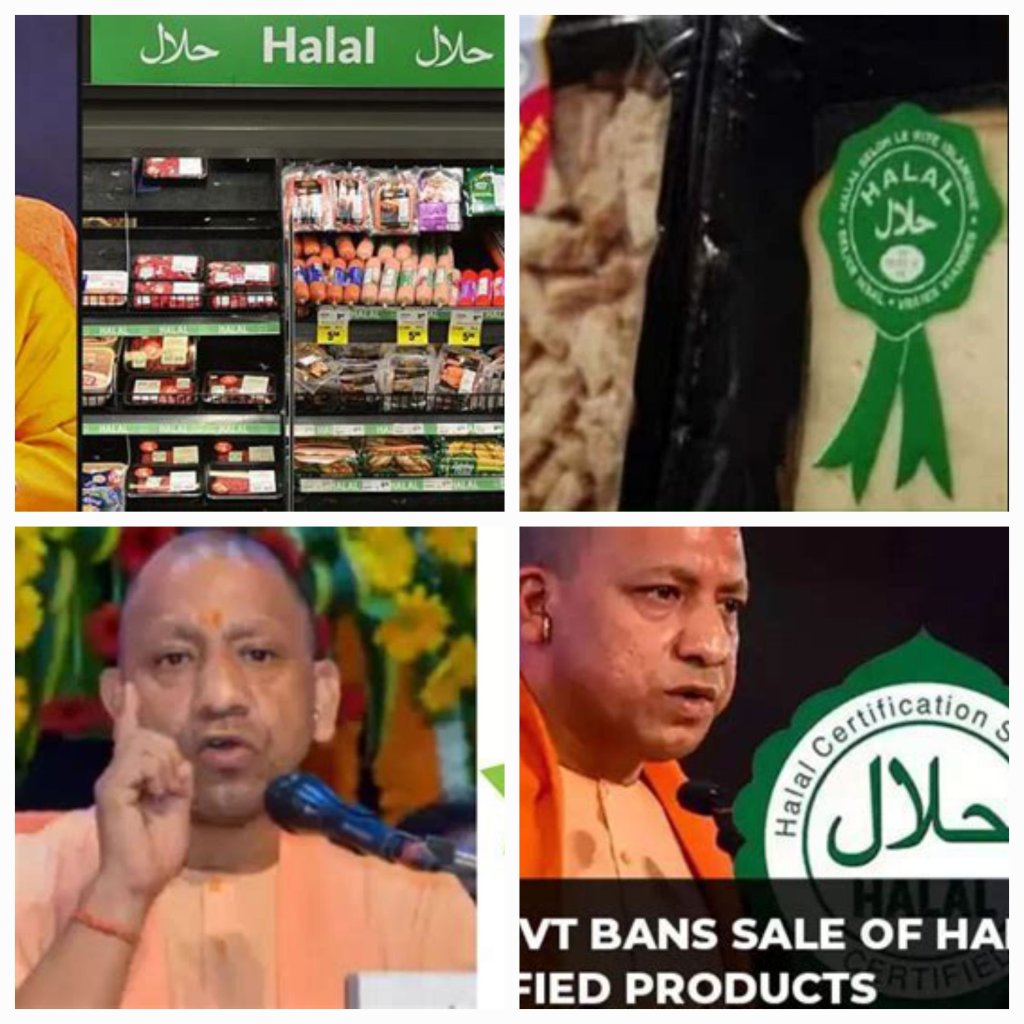
Advocates of the ban emphasize the importance of preserving a secular identity, ensuring that consumer choices aren’t influenced by religious considerations. They contend that a uniform marketplace free from religious certifications supports a level playing field for businesses and allows consumers to make choices based solely on product attributes, quality, and safety.
While opinions on this matter are varied and the debate continues, those in favor of banning halal-certified products in India maintain that such decisions uphold the essence of a diverse and secular society, where individuals from various backgrounds coexist on common ground. As the discourse unfolds, it remains to be seen how these measures will impact the nation’s economic landscape and cultural fabric in the long run.

 Poetry Hub
Hello. Thanks for visiting. I’d love to hear your thoughts! What resonated with you in this piece? Drop a comment below and let’s start a conversation.