In a landmark development that has reverberated across geopolitical landscapes, the news reported by Dawn, a prominent Pakistani English-language newspaper on November 16, 2021, carries the title “Pakistan, India agree to restore cross-LoC trade, travel.” This pivotal announcement underscores a transformative diplomatic stride as the two nations grapple with the intricate and longstanding complexities surrounding the disputed region of Kashmir. The article illuminates a resolute decision taken during a crucial meeting between the Directors General of Military Operations (DGMOs) of both Pakistan and India, shedding light on their mutual commitment to reinstating cross-Line of Control (LoC) trade and travel.
As diplomatic tides shift, the significance of this agreement extends beyond the resumption of economic activities; it marks a turning point in the political narrative, potentially holding the key to de-escalating tensions that have loomed since the 2019 Pulwama attack and the subsequent Balakot airstrike by India. The decision also speaks to a broader willingness on both sides to prioritize dialogue and diplomacy over the perils of military confrontation, signaling a nuanced shift in India’s policy following its previous hardline stance on Kashmir, epitomized by the abrogation of Article 370 granting special status to the region.
Beyond the political implications, this development has far-reaching economic ramifications. The cross-LoC trade and travel, once a unique and innovative initiative based on a barter system, is poised to reinvigorate economies on either side of the LoC. The trade, suspended since 2019 due to India’s revocation of Kashmir’s special status, had previously generated an estimated annual turnover of $80 million. Its revival holds the promise of not only economic rejuvenation but also employment and livelihood opportunities for thousands, thereby mitigating the adverse impact of the prolonged suspension.
However, the article doesn’t merely spotlight the resumption of trade; it casts a broader lens on the multifaceted implications across political, economic, social, and security dimensions. On the political front, this decision resonates as a potential harbinger of reduced hostilities, a stark departure from the intensifying military confrontations of recent years. It challenges the status quo, suggesting a nuanced response to international scrutiny and censure faced by India for its actions in Kashmir, widely condemned as human rights violations.
Economically, the ripple effects extend to the potential expansion and diversification of trade and travel initiatives, offering opportunities for increased frequency and variety in exchange. The phased resumption starting December 1, 2021, marks a deliberate and considered approach, allowing for careful implementation while navigating challenges inherent in cross-border trade.
Socially, the decision is not merely an economic transaction but a cultural and emotional exchange fostering connectivity among divided families and communities across the LoC. This revival is anticipated to contribute to a shared sense of identity and belonging among the people of Kashmir, who have historically been unified by common history, culture, language, and religion.
From a security standpoint, the decision holds the promise of mitigating conflict and violence along the LoC. By facilitating economic exchange, it aims to create an environment less conducive to infiltration of militants and terrorists – a longstanding source of instability in the region. The decision aligns with a broader aspiration to address the root causes of militancy and radicalization in Kashmir, factors historically fueled by political and economic alienation.
As the article unfolds, it introduces various potential points of analysis, encompassing challenges and opportunities across the political, economic, social, and security spectrums. The decision, while laden with promise, is not without its share of hurdles – challenges that range from building trust between the two nations, ensuring proper infrastructure and facilities, to garnering political and public support.
In a world accustomed to the grim narratives emanating from the Kashmir conflict, the reported decision provides a glimmer of hope. This article embarks on a journey to dissect and analyze the multifaceted dimensions of this diplomatic breakthrough, unraveling the threads that weave together the intricate tapestry of South Asian geopolitics. As the world watches, the implications of this decision stretch far beyond the borders of Pakistan and India, holding the potential to redefine regional dynamics and pave the way for a more cooperative and interconnected future.
The news article from Dawn, a Pakistani English-language newspaper, published on November 16, 2021, is titled “Pakistan, India agree to restore cross-LoC trade, travel” and reports that the two countries have decided to resume trade and travel across the Line of Control (LoC) that divides the disputed region of Kashmir. The article states that the decision was taken during a meeting of the directors general of military operations (DGMOs) of both sides, who also agreed to maintain the ceasefire along the LoC that was announced in February 2021. The article quotes a joint statement issued by the two DGMOs, which says that the resumption of trade and travel will be done in a phased manner, starting from December 1, 2021. The article also provides some background information on the cross-LoC trade and travel, which was suspended in 2019 after India revoked the special status of its part of Kashmir. The article also mentions that the cross-LoC trade and travel was seen as a confidence-building measure and a humanitarian gesture for the people of Kashmir, who have been divided by the LoC since 1947. The article also cites some experts and analysts, who welcome the decision and hope that it will lead to further dialogue and cooperation between the two nuclear-armed neighbours.
The article can be analysed from various perspectives, such as the political, economic, social, and security implications of the decision, as well as the challenges and opportunities that it presents for both countries and the people of Kashmir. Some of the possible points of analysis are:
Political implications: The decision to resume cross-LoC trade and travel is a significant step towards de-escalating the tensions between India and Pakistan, which have been high since the 2019 Pulwama attack and the subsequent Balakot airstrike by India. The decision also reflects the willingness of both sides to engage in dialogue and diplomacy, rather than resorting to military confrontation or coercion. The decision also signals a shift in the policy of the Indian government, which had previously adopted a hardline stance on Kashmir and had abrogated Article 370 of its constitution, which granted special status and autonomy to the region. The decision may also be seen as a response to the international pressure and criticism that India faced for its actions in Kashmir, which were widely condemned as a violation of human rights and international law. The decision may also be influenced by the changing regional and global dynamics, such as the withdrawal of US troops from Afghanistan, the rise of China, and the emergence of new alliances and partnerships. The decision may also be a result of the domestic political calculations of both countries, which may be facing internal challenges and crises, such as the COVID-19 pandemic, economic slowdown, social unrest, and political opposition. The decision may also be a gesture of goodwill and trust-building, which may pave the way for more substantive and comprehensive talks on the Kashmir issue and other outstanding disputes between the two countries.
Economic implications: The decision to resume cross-LoC trade and travel is expected to have positive economic impacts for both countries and the people of Kashmir, who have suffered from the suspension of trade and travel since 2019. The cross-LoC trade and travel was a unique and innovative initiative, which was based on the barter system and allowed the exchange of locally produced goods and services across the LoC. The cross-LoC trade and travel was estimated to have generated an annual turnover of around $80 million and provided employment and livelihood opportunities for thousands of people on both sides of the LoC. The cross-LoC trade and travel also helped to reduce the dependence of the people of Kashmir on the markets and supplies of the respective countries, and enabled them to access a wider range of products and services at lower costs. The cross-LoC trade and travel also facilitated the flow of remittances and investments across the LoC, which contributed to the development and welfare of the region. The cross-LoC trade and travel also enhanced the economic integration and interdependence of the two parts of Kashmir, which created a common stake and interest in peace and stability. The resumption of cross-LoC trade and travel may also create new opportunities for expanding and diversifying the trade and travel, such as by increasing the number and frequency of trucks and buses, adding more items and routes to the list of tradeable goods and services, and introducing currency-based trade and banking facilities.
Social implications: The decision to resume cross-LoC trade and travel is likely to have positive social impacts for the people of Kashmir, who have been living under a state of siege and isolation since 2019. The cross-LoC trade and travel was not only a means of economic exchange, but also a mode of cultural and emotional exchange, which helped to reconnect the divided families and communities across the LoC. The cross-LoC trade and travel also fostered a sense of identity and belonging among the people of Kashmir, who shared a common history, culture, language, and religion. The cross-LoC trade and travel also promoted a culture of peace and harmony among the people of Kashmir, who interacted and cooperated with each other, despite the political and military differences between the two countries. The cross-LoC trade and travel also created a space for dialogue and reconciliation among the people of Kashmir, who expressed their views and aspirations, and sought to resolve their grievances and issues. The resumption of cross-LoC trade and travel may also have a positive impact on the human rights situation in Kashmir, which has been marked by violence, repression, and violations by the security forces and the militants. The resumption of cross-LoC trade and travel may also improve the access to health, education, and other essential services for the people of Kashmir, who have been deprived of these due to the lockdown and restrictions imposed by the authorities.
Security implications: The decision to resume cross-LoC trade and travel is also expected to have positive security implications for both countries and the region, as it may reduce the chances of conflict and violence along the LoC, which has been the scene of frequent ceasefire violations and cross-border firing. The decision may also help to prevent the infiltration of militants and terrorists across the LoC, which has been a major source of instability and insecurity in Kashmir. The decision may also help to curb the activities of the militant groups and networks, which have been using the cross-LoC trade and travel as a cover and conduit for smuggling weapons, drugs, and funds. The decision may also help to address the root causes of the militancy and radicalisation in Kashmir, which have been fuelled by the political and economic alienation and marginalisation of the people of Kashmir. The decision may also help to create a conducive environment for the restoration of peace and normalcy in Kashmir, which has been witnessing a prolonged phase of unrest and agitation since 2016.
Challenges and opportunities: The decision to resume cross-LoC trade and travel, however, is not without its challenges and risks, which may pose obstacles and difficulties for its successful implementation and sustainability. Some of the possible challenges and risks are:
The lack of trust and confidence between the two countries, which may hamper the coordination and cooperation required for the smooth functioning of the cross-LoC trade and travel. The two countries may also have different expectations and agendas from the cross-LoC trade and travel, which may create misunderstandings and disagreements. The two countries may also face pressure and opposition from their respective hardliners and hawks, who may view the cross-LoC trade and travel as a compromise and concession on the Kashmir issue.
The lack of infrastructure and facilities at the trade and travel facilitation centres, which may affect the quality and quantity of the cross-LoC trade and travel. The lack of proper communication and banking systems, which may create problems and delays in the exchange and verification of the goods and services. The lack of security and safety measures, which may expose the traders and travellers to the threats and attacks from the militants and criminals. The lack of transparency and accountability mechanisms, which may lead to the misuse and abuse of the cross-LoC trade and travel by the corrupt and unscrupulous elements.
The lack of political and public support and awareness for the cross-LoC trade and travel, which may limit its scope and impact. The lack of political will and vision, which may prevent the cross-LoC trade and travel from becoming a catalyst and platform for a broader and deeper engagement and dialogue between the two countries and the people of Kashmir. The lack of public participation and involvement, which may reduce the cross-LoC trade and travel to a mere transaction and exchange, rather than a transformation and empowerment of the people of Kashmir.
The lack of stability and predictability in the bilateral and regional situation, which may affect the continuity and consistency of the cross-LoC trade and travel. The possibility of escalation and confrontation between the two countries, which may disrupt and derail the cross-LoC trade and travel. The possibility of provocation and sabotage by the spoilers and detractors, who may try to undermine and subvert the cross-LoC trade and travel.
Despite these challenges and risks, the decision to resume cross-LoC trade and travel also offers a unique and valuable opportunity for both countries and the people of Kashmir, which should not be missed or wasted. The opportunity is to build on the goodwill and momentum generated by the decision, and to use the cross-LoC trade and travel as a bridge and a bond, rather than a barrier and a burden. The opportunity is to expand and enhance the cross-LoC trade and travel, and to link it with other initiatives and measures, such as the cross-LoC bus service, the cross-LoC pilgrimages, the cross-LoC sports and cultural events, and the cross-LoC humanitarian and development projects. The opportunity is to initiate and sustain a meaningful and constructive dialogue and cooperation between the two countries and the people of Kashmir, and to address the core issues and concerns that have been the source of conflict and violence for decades. The opportunity is to create a new and positive narrative and vision for the future of Kashmir, which is based on the principles of peace, justice, democracy, and development. The opportunity is to realise the potential and aspirations of the people of Kashmir, who deserve to live in dignity and harmony, and to enjoy their rights and freedoms. The opportunity is to transform the LoC from a line of control to a line of cooperation, and to make it a symbol of hope and friendship, rather than a sign of fear and hostility.
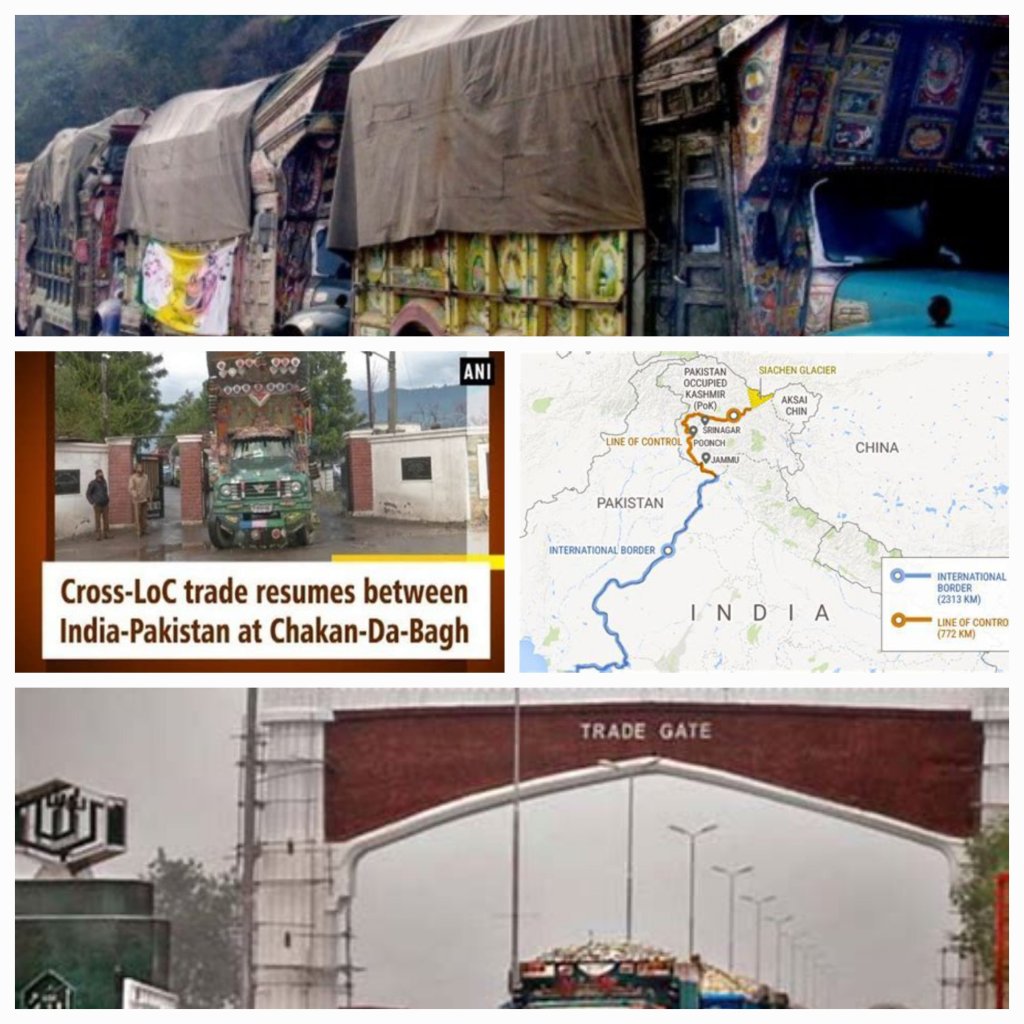
In concluding this exhaustive exploration of the groundbreaking decision to restore cross-LoC trade and travel between Pakistan and India, it is imperative to acknowledge the multifaceted implications and the transformative potential encapsulated within this diplomatic breakthrough. The announcement, arising from the meeting between the Directors General of Military Operations (DGMOs) of both nations, is not merely a procedural decision but a symbol of recalibration in regional dynamics that have been steeped in complexity and tension.
From a political perspective, this decision stands as a beacon of hope, signaling a willingness on both sides to engage in constructive dialogue and diplomacy rather than perpetuating the cycle of military confrontation. It provides a testament to the power of nuanced, cooperative approaches in navigating the intricate and longstanding issues surrounding Kashmir. The decision also underscores a potential departure from India’s previous hardline stance, particularly evident in the revocation of Article 370, as both nations pivot towards a more dialogue-centric approach.
Economically, the resurrection of cross-LoC trade and travel carries the promise of revitalizing economies on either side of the divide. The phased resumption, commencing from December 1, 2021, emerges as a carefully calibrated strategy, allowing for a controlled and measured reintegration. The potential economic benefits extend beyond the immediate tangible gains, creating a foundation for expanded and diversified trade initiatives, including an increase in the number and frequency of trucks and buses, an expanded list of tradeable goods and services, and the introduction of currency-based trade and banking facilities.
Socially, the decision holds the potential to mend the fabric of communities torn apart by the LoC, fostering cultural and emotional exchanges. Beyond economic transactions, the cross-LoC trade and travel have historically served as a conduit for a shared sense of identity and belonging among the people of Kashmir. The revived initiative offers a pathway for the reconnection of divided families and communities, contributing to a culture of peace and harmony, even amidst political and military differences.
From a security standpoint, the decision presents an opportunity to curtail conflict and violence along the LoC. By reintegrating economic exchange, it aims to create an environment less conducive to infiltration by militants and terrorists, addressing one of the root causes of instability in the region. This move aligns with a broader aspiration to mitigate the long-standing impact of political and economic alienation, factors that have historically fueled militancy and radicalization in Kashmir.
However, in acknowledging these potential triumphs, it is crucial to confront the challenges and risks that accompany such a pivotal decision. Building trust between the two nations, ensuring robust infrastructure, and garnering political and public support remain paramount. The potential impact of this decision is contingent upon navigating these challenges with prudence and foresight.
The decision, despite its complexity and inherent risks, also presents an unparalleled opportunity for both nations and the people of Kashmir. It stands as a testament to the collective recognition of the need for change, the importance of dialogue, and the imperative of fostering cooperation in the face of shared challenges. As the world watches, the outcomes of this decision extend far beyond regional borders, resonating as a potential model for resolving other longstanding conflicts through dialogue, diplomacy, and a commitment to peaceful coexistence.
In essence, this decision is a catalyst for transformation, transcending the boundaries of politics, economics, society, and security. It is a reminder that even in the most entrenched conflicts, diplomatic breakthroughs are not only possible but essential for the betterment of societies and the realization of shared aspirations. As Pakistan and India embark on this journey towards renewed engagement, the world witnesses a beacon of hope illuminating the path towards a more harmonious and interconnected future.

 Poetry Hub
Hello. Thanks for visiting. I’d love to hear your thoughts! What resonated with you in this piece? Drop a comment below and let’s start a conversation.