Humanity’s Perplexing Regression: From Instinct to Endless Vendettas
In the grand amphitheater of the animal kingdom, the laws of survival are simple and primal: territorial control, mating rights, and the occasional skirmish over dwindling resources. Yet, amidst this symphony of raw instinct, there exists a species that stands apart, not for its evolutionary prowess, but for its penchant for convoluted conflict and perpetual vengeance – Homo sapiens.
Indeed, while our fellow denizens of the wild engage in disputes for tangible gains – land, mates, and sustenance – humanity revels in the ethereal realm of vendettas, where grudges ferment and fester across generations like a fine wine left to spoil.
The animal kingdom operates on a straightforward principle: secure one’s territory, ensure the propagation of one’s genes, and seize sustenance when scarcity looms. In contrast, humans, endowed with intellect and consciousness, warp these basic instincts into a tangled web of vendettas and feuds, perpetuated not merely for survival, but for the sheer pleasure of inflicting pain upon one another.
While territorial disputes among animals may result in the occasional skirmish or display of dominance, the repercussions are often swift and pragmatic. Once boundaries are established or mating rights asserted, the conflict dissipates, allowing the natural order to resume. But for humanity, conflict transcends the physical realm, manifesting as grudges that linger like a foul odor, poisoning relationships and corroding the very fabric of society.
Whereas animals engage in combat to secure their place in the hierarchy, humans wield vengeance as a weapon of mass destruction, unleashing its destructive force upon unsuspecting foes and innocent bystanders alike. From blood feuds in ancient civilizations to modern-day conflicts rooted in centuries-old grievances, humanity’s penchant for vengeance knows no bounds.
The complexity of human behavior, far from being a testament to our evolutionary advancement, serves as a damning indictment of our collective regression. Instead of evolving beyond our primal instincts, we have embraced them with a fervor bordering on fanaticism, using our intellect not to transcend our base nature, but to amplify its destructive potential.
In the animal kingdom, conflicts are resolved swiftly, allowing life to continue unabated. In the human realm, vendettas linger like a cancer, metastasizing and consuming all in their path. While animals fight for survival, humanity fights for the sake of fighting, perpetuating a cycle of violence and retribution that shows no sign of abating.
Until humanity learns to transcend its primal urges and embrace the virtues of empathy, forgiveness, and reconciliation, we will remain prisoners of our own making, trapped in an endless cycle of vendettas and feuds that threaten to consume us all. Perhaps it is time we looked to our fellow denizens of the animal kingdom for guidance, for in their simplicity lies a wisdom that eludes even the most enlightened among us.
The Humility of Wolves: A Lesson Lost on Humanity
In the unforgiving wilderness, where survival is a perpetual struggle, the wolf reigns as an apex predator, its prowess and ferocity unmatched. Yet, amidst the brutal dance of dominance and submission, there exists a profound lesson in humility that humanity, in its arrogance, has failed to heed.
Picture the scene: Two wolves, locked in a fierce battle for supremacy. Fangs bared, claws unsheathed, they fight with a primal intensity, each determined to emerge victorious. But as the tide of battle turns, and one wolf realizes the futility of resistance, something remarkable happens.
In an act of astonishing humility, the losing wolf offers its jugular to its opponent, a silent acknowledgment of defeat and a plea for mercy. And in that moment, the winning wolf, inexplicably, finds itself paralyzed, unable to deliver the fatal blow.
What force, what ancient instinct, could compel a creature of such power and ferocity to spare its defeated foe? It is a question that defies easy explanation, a testament to the enigmatic workings of the natural world.
Some might call it a miracle, others a mere fluke of evolution. Yet, whatever its origins, the message is clear: in the eyes of nature, the survival of the species outweighs the transient thrill of victory.
And so, the two wolves part ways, their conflict resolved not through bloodshed and domination, but through a rare display of humility and restraint. The wheel of life continues to turn, uninterrupted by the petty squabbles of individuals.
If only humanity could learn from the example set by these noble creatures. Instead of waging endless wars fueled by pride and power, perhaps we could embrace the wisdom of the wolf, finding strength in humility and unity in diversity.
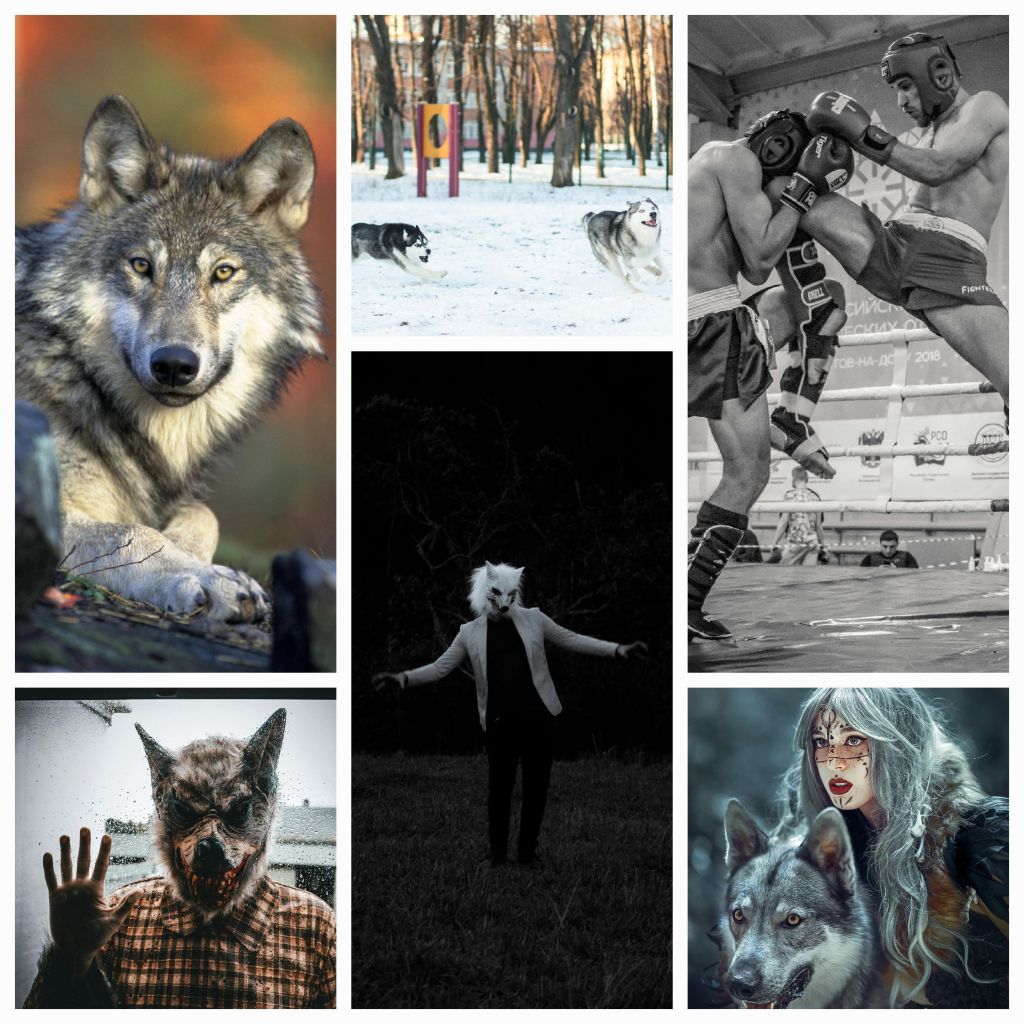
But alas, the lessons of the wild are lost on us, drowned out by the cacophony of our own ambition and greed. As we continue to plunder and pillage, heedless of the consequences, we would do well to remember the silent wisdom of the wolves, and the timeless truth that in the end, there are no winners, only survivors.
#HumanBehavior #PrimalInstincts #ConflictResolution #WisdomOfNature #LessonsLearned #Vendettas #Humility #EvolutionaryBehavior #Nature’sWisdom #AnimalKingdom

 Poetry Hub
Hello. Thanks for visiting. I’d love to hear your thoughts! What resonated with you in this piece? Drop a comment below and let’s start a conversation.