Unveiling the Rich Cultural Tapestry of the Konda Reddi Tribe in Andhra Pradesh
The Konda Reddi tribe is an indigenous community primarily found in the Indian state of Andhra Pradesh, particularly in the hilly regions of the Eastern Ghats. They are also known as Kondareddy, Kondareddi, or Kondareddiar. The term “Konda” means hill or mountain in Telugu, reflecting their traditional habitat.
The population size of the Konda Reddi tribe is not precisely documented. They are considered one of the smaller indigenous communities in India, with estimates suggesting their population numbers in the tens of thousands. However, due to factors such as limited access to census data and their remote habitat in the hilly regions of the Eastern Ghats, exact population figures may vary.
The Konda Reddi tribe is believed to have inhabited the hilly regions of the Eastern Ghats in present-day Andhra Pradesh and Telangana states of India for centuries. The exact age of the tribe is challenging to determine due to the lack of written records predating colonial times. However, they have a long history of indigenous cultural practices and traditions that have been passed down through generations, indicating that they have been present in the region for a significant period.
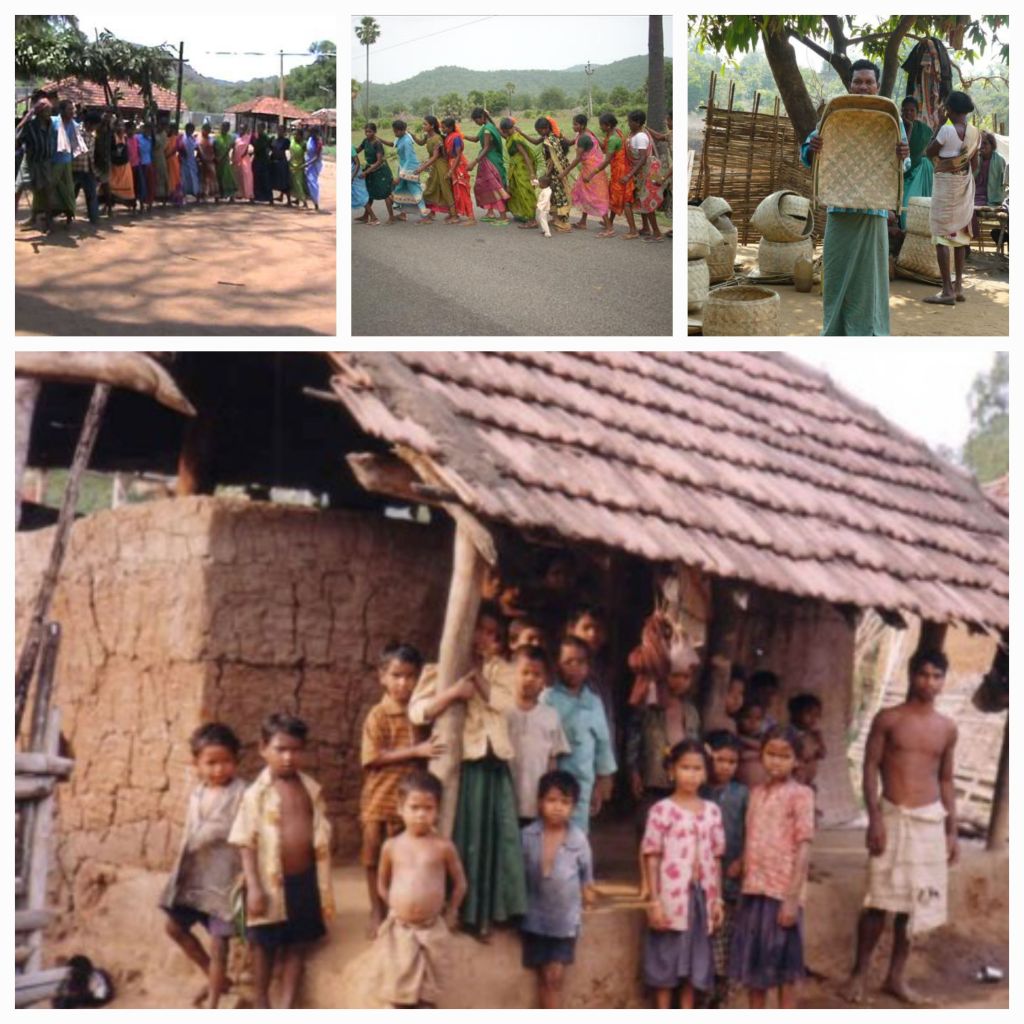
The Konda Reddi people traditionally practice shifting cultivation, also known as slash-and-burn agriculture, in the forested hills where they reside. Agriculture, hunting, and gathering are essential components of their livelihood. They often grow millets, pulses, and vegetables for subsistence.
The Konda Reddi tribe has a rich cultural heritage, with distinct customs, rituals, and folklore that are passed down through generations orally. They have their language, known as Konda, which belongs to the Dravidian language family. However, due to influences from neighboring communities and the broader Indian society, many Konda Reddis also speak Telugu, the official language of Andhra Pradesh.
Like many indigenous communities, the Konda Reddi tribe faces various challenges, including land alienation, displacement, and lack of access to education and healthcare. Efforts have been made by both governmental and non-governmental organizations to address these issues and empower the community while respecting their cultural identity and autonomy.
The Konda Reddi tribe holds historical significance as one of the indigenous communities inhabiting the hilly regions of the Eastern Ghats in India. Over the centuries, they have preserved their unique culture, traditions, and way of life, contributing to the rich cultural tapestry of the region. Their practices, rituals, and oral traditions provide insights into ancient ways of life, social structures, and belief systems that have endured through generations.
Historically, the Konda Reddi tribe has also played a role in the socio-economic and political landscape of the region. They have been engaged in various economic activities such as agriculture, hunting, and gathering, which have sustained their communities for centuries. Additionally, they have often interacted with neighboring communities and have been involved in trade networks, contributing to cultural exchange and intergroup relations.
In the context of colonial history, the Konda Reddi tribe, like many indigenous communities, faced challenges such as displacement, exploitation, and marginalization under colonial rule. However, they have also shown resilience in preserving their cultural identity and resisting external pressures that threatened their way of life.
Today, the Konda Reddi tribe continues to maintain its cultural heritage while also adapting to modern socio-economic changes. Efforts to document and preserve their traditional knowledge, languages, and practices are underway to ensure the preservation of their historical significance for future generations.
Overall, the Konda Reddi tribe contributes to the rich tapestry of India’s cultural diversity and heritage, embodying a way of life that is intricately connected to the land and forests they call home.
MooThe Konda Reddi tribe, like many indigenous communities, has rich traditions, rituals, and festivals that are integral to their cultural identity and way of life. Some of their main traditions, rituals, and festivals include:
- Adivasi Parba: This is a major festival celebrated by the Konda Reddi tribe to mark the beginning of the agricultural season. It is a time of community gathering, feasting, and rituals to invoke blessings for a bountiful harvest. Traditional dances, music, and ceremonies are performed during the festival, symbolizing unity and prosperity.
- Gondi Dance: The Gondi dance is a traditional dance form performed by the Konda Reddi tribe during various occasions and festivals. The dance often depicts themes related to nature, hunting, and social customs, reflecting the tribe’s connection to their environment and cultural heritage.
- Seed Sowing Ceremony: Before the onset of the agricultural season, the Konda Reddi tribe performs a seed sowing ceremony to bless the seeds and invoke the blessings of their deities for a successful harvest. This ritual is accompanied by prayers, songs, and offerings to the spirits of the land and ancestors, seeking their protection and guidance.
- Harvest Festival: The harvest festival is a joyous occasion celebrated by the Konda Reddi tribe to mark the culmination of the agricultural season. It is a time of thanksgiving, feasting, and sharing with family and community members. Traditional rituals are performed to express gratitude to the deities for the abundance of crops and to seek their blessings for the coming year.
- Marriage Ceremony: Marriage ceremonies among the Konda Reddi tribe are elaborate affairs that involve various rituals, customs, and traditions. These ceremonies often last for several days and include rituals such as matchmaking, engagement, dowry exchange, and the performance of sacred vows. Traditional music, dance, and feasting are integral parts of the marriage celebrations, symbolizing the union of two families and the continuation of lineage.
- Ancestor Worship: The Konda Reddi tribe reveres their ancestors and believes in the importance of honoring their memory through rituals and offerings. Ancestor worship ceremonies are held periodically to pay homage to deceased family members and seek their blessings for the well-being and prosperity of the living. These rituals often involve prayers, offerings of food and drink, and the lighting of sacred lamps.
Overall, these traditions, rituals, and festivals are central to the cultural identity and social cohesion of the Konda Reddi tribe, reflecting their deep-rooted connection to their land, ancestors, and spiritual beliefs.
The Konda Reddi tribe, also known as the Kondareddis or Kondhs, have a rich cultural heritage that reflects their deep connection to the land, nature, and their traditional way of life. Here are some aspects of their cultural heritage:
- Traditional Beliefs and Practices: The Konda Reddi tribe follows animistic beliefs and worships a pantheon of nature deities and spirits. They believe in the presence of spirits in natural elements such as mountains, rivers, and forests, and their religious rituals often involve offerings and sacrifices to appease these spirits.
- Oral Traditions: Like many indigenous communities, the Konda Reddis have a rich oral tradition passed down through generations. Their folklore, myths, legends, and songs serve as a repository of cultural knowledge and wisdom, preserving their history, customs, and worldview.
- Community Life: The Konda Reddi tribe places a strong emphasis on community cohesion and solidarity. They live in close-knit villages or hamlets, where social bonds are reinforced through shared rituals, ceremonies, and collective activities such as farming, hunting, and gathering.
- Traditional Arts and Crafts: The Konda Reddis are skilled artisans known for their traditional arts and crafts. They excel in various crafts such as pottery, weaving, basketry, and wood carving, producing a wide range of utilitarian and decorative items that reflect their cultural identity and creativity.
- Festivals and Celebrations: The Konda Reddi tribe celebrates various festivals and rituals throughout the year, marking important milestones in the agricultural calendar, religious calendar, and social life. These festivals often involve colorful rituals, music, dance, feasting, and community gatherings, fostering a sense of cultural pride and belonging.
- Ethnic Identity: The Konda Reddi tribe takes pride in their ethnic identity and cultural heritage, which they strive to preserve and pass on to future generations. Despite the challenges posed by modernization and external influences, many Konda Reddis continue to uphold their traditional customs, language, and way of life as a source of resilience and identity.
Overall, the cultural heritage of the Konda Reddi tribe is characterized by its deep-rooted connection to nature, community spirit, and traditional values, which continue to शाओ I rr@pe their identity and way of life in the modern world.
In the Konda Reddi tribe, food and family are integral aspects of their cultural heritage and social life. Here’s a glimpse into how these two elements intersect in their daily lives:
- Food Gathering and Preparation: The Konda Reddis traditionally rely on agriculture, hunting, and gathering for their food. They cultivate crops such as rice, millet, pulses, and vegetables in small-scale subsistence farms. Additionally, they gather wild fruits, roots, and tubers from the forests and hunt game for meat. The preparation of food is often a communal activity, with family members working together to harvest, process, and cook the ingredients.
- Traditional Cuisine: The cuisine of the Konda Reddi tribe is simple yet flavorful, reflecting the ingredients available in their natural surroundings. Staples of their diet include rice, lentils, vegetables, and meat from hunting. They use traditional cooking methods such as boiling, steaming, and roasting, and often incorporate locally sourced spices and herbs for seasoning. Meals are typically served with homemade sauces, chutneys, and pickles, adding variety and flavor to their dishes.
- Family Meals: Family meals hold significant importance in Konda Reddi culture, serving as occasions for bonding, sharing, and strengthening familial ties. Family members gather around the hearth or communal cooking area to enjoy meals together, exchanging stories, news, and laughter. Elders play a central role in mealtime rituals, offering blessings and prayers before and after meals, and passing down culinary traditions to younger generations.
- Feasting and Celebrations: Festivals, weddings, and other special occasions are marked by elaborate feasts and celebrations in the Konda Reddi tribe. These festive gatherings bring together extended family members, friends, and neighbors, who join in communal feasting, music, dance, and merrymaking. Special dishes and delicacies are prepared for these occasions, symbolizing abundance, hospitality, and goodwill.
- Food as Cultural Identity: Food plays a crucial role in shaping the cultural identity of the Konda Reddi tribe, reflecting their connection to the land, nature, and ancestral traditions. Traditional recipes and cooking techniques are passed down from one generation to the next, preserving their culinary heritage and reinforcing a sense of cultural pride and continuity.
Overall, food and family are intertwined in the fabric of Konda Reddi society, serving as sources of sustenance, nourishment, and social cohesion. Through the sharing of meals and culinary traditions, families bond, traditions are upheld, and cultural identity is preserved for future generations.
#KondaReddi #IndigenousCultures #AndhraPradesh #EasternGhats #CulturalHeritage #TraditionalPractices
I am participating in #BlogchatterA2Z


 Poetry Hub
Hello. Thanks for visiting. I’d love to hear your thoughts! What resonated with you in this piece? Drop a comment below and let’s start a conversation.