The Dirty Business of Garbage Ebooks: Unraveling the Scammy Underbelly of Online Publishing
If you cast your mind back to the late 2000s, a time when streaming video technology was just coming into its own, you might recall the struggle of finding legitimate platforms to watch your favorite shows. In those days, students without TVs would navigate through websites cluttered with banner ads and autoplaying videos, desperately trying to find the elusive link that would lead them to their desired content, amidst a sea of misleading buttons promising everything but delivering anything but.
Fast forward to today, and navigating the ebook and audiobook marketplaces feels eerily reminiscent of those chaotic times. It’s a landscape inundated with a myriad of banner ads, all vying for your attention and clicks.
Take, for instance, the release of tech journalist Kara Swisher’s “Burn Book” this February. Alongside Swisher’s legitimate work, a swarm of other books flooded the Kindle store, sporting bizarre, SEO-optimized titles reminiscent of businesses attempting to game the Google algorithm.
Among them were titles like “Kara Swisher: Silicon Valley’s Bulldog” and “Kara Swisher Book: How She Became Silicon Valley’s Most Influential Journalist,” along with numerous biographies authored by an individual who seemingly churned out four biographies within a single month. When confronted with these dubious publications, Swisher herself expressed dismay, accusing Amazon of IP theft.
The truth behind these suspiciously timed releases likely involves keyword scraping, with opportunistic authors capitalizing on trending search terms like “Kara Swisher book” to push their own hastily assembled titles to unsuspecting readers.
But this phenomenon is merely the tip of the iceberg in a vast ecosystem dedicated to the creation and dissemination of low-quality, often misleading ebooks. Many of these publications peddle misinformation or simply repackage existing content behind a veil of search engine optimization. Some even go as far as appropriating the names of established authors, masquerading as legitimate releases.
According to the Authors Guild, quantifying the extent of this problem is a near-impossible task, with Amazon holding the key to valuable data that remains undisclosed.
Navigating this treacherous landscape requires a discerning eye and a willingness to sift through the digital debris to find genuine literary gems amidst the sea of garbage. In a marketplace where impulse purchases reign supreme, and where authors are pressured to churn out content at breakneck speed, the onus falls on consumers to exercise caution in their buying decisions.
But what drives authors to engage in such dubious practices? The answer lies in the harsh realities of the publishing industry, where making a living from writing alone is often an uphill battle. The allure of quick profits from hastily produced ebooks can be tempting, especially in a digital landscape where the barriers to entry are low, and the potential for monetization seemingly boundless.
The advent of generative AI has only exacerbated this issue, providing authors with tools to automate the creation of cover images, outlines, and even entire texts with alarming ease. In a world where technology promises to streamline every aspect of our lives, the artistry and craftsmanship once associated with writing are increasingly being supplanted by machine-generated content.
But the sad truth is that these garbage ebooks seldom yield significant profits, with many authors barely breaking even or even losing money in their pursuit of quick riches. Instead, the real winners are often those who peddle the promise of ebook success through online courses and tutorials, perpetuating a cycle of grift and exploitation that ultimately undermines the integrity of the publishing industry.
Amazon, for its part, insists that it remains committed to providing the best possible experience for readers and authors alike, but critics argue that the platform’s relentless pursuit of cost-efficiency has inadvertently facilitated the proliferation of garbage ebooks.
In truth, the problem of garbage ebooks predates the rise of AI, stemming from a culture of exploitation and opportunism that has long plagued the self-publishing industry. In the early days of the internet, aspiring authors were drawn to the promise of easy money through self-publishing, but as the market became oversaturated with low-quality content, the landscape grew increasingly hostile, with grifters preying on one another and unsuspecting readers alike.
While the allure of quick profits may continue to tempt some authors, the true cost of garbage ebooks extends far beyond the realm of financial loss. It undermines the trust between authors and readers, tarnishing the reputation of self-publishing as a viable alternative to traditional publishing avenues.
In the end, the battle against garbage ebooks requires a concerted effort from all stakeholders involved, from platforms like Amazon to aspiring authors and discerning readers alike. Only by collectively denouncing exploitative practices and upholding the standards of quality and integrity can we hope to reclaim the integrity of the publishing industry in the digital age.
Unveiling the Dark Underbelly of the Self-Publishing Grift: How Big Luca and the Mikkelsen Twins Exploit the Industry
In the annals of the self-publishing world, few names evoke as much notoriety as Luca de Stefani, better known as Big Luca. Legend has it that he once set the world record for the highest earnings through Kindle Publishing within a single day. But what truly set Big Luca apart was not just his astronomical earnings, but his method — a method he eagerly shared through his Self Publishing Revolution course.
Central to Big Luca’s course was access to a clandestine Facebook group, where aspiring self-publishers engaged in review swaps and purchased five-star reviews to boost their books’ visibility on Amazon. In the cutthroat world of self-publishing, where good reviews are paramount, this tactic proved to be extremely lucrative.
While Big Luca may have perfected this formula, he didn’t invent it. He honed his skills under the tutelage of K Money Mastery, an OG self-publishing course where he excelled before branching out on his own.
Enter the Mikkelsen twins, Christian and Rasmus, whose meteoric rise in the self-publishing world mirrors that of their mentor. Armed with Big Luca’s teachings, they embarked on a prolific publishing spree, churning out a plethora of trash books on topics ranging from keto diets to crystal healing.
But it was their innovative approach of translating these books into foreign languages using Google Translate that catapulted their earnings into six figures. However, their success was short-lived, as Amazon eventually blocked their publishing account due to violations of its terms of service.
Undeterred, the Mikkelsen twins pivoted to teaching, launching a series of online courses aimed at aspiring self-publishers. From Audiobook Impact Academy to Publishing Life, and now AI Publishing Academy, their method remains largely the same: churn out books at breakneck speed, leveraging AI and outsourcing to minimize effort and maximize profits.
At the heart of the Mikkelsens’ course is the promise of passive income — the idea that students can make money off books they don’t even have to write themselves. But as many disillusioned students soon discover, the reality is far from the glossy sales pitch.
Jennifer, a 37-year-old from Virginia, and Cecilia, a 50-year-old from Seattle, both enrolled in the Mikkelsens’ course, lured by promises of easy money. However, they quickly realized that the course was little more than a thinly veiled scheme to extract more money from unsuspecting students.
The Mikkelsens’ sales pitch, delivered in a two-hour webinar, was nothing short of hypnotic. Christian’s thirstily delivered promises of wealth and success seemed too good to be true — and as Jennifer and Cecilia soon discovered, they were.
Despite shelling out thousands of dollars for the course, they found themselves bombarded with upsells and hidden fees at every turn. What was billed as a comprehensive guide to self-publishing turned out to be little more than a glorified sales pitch for other products and services.
But perhaps the most insidious aspect of the Mikkelsens’ course is the way it preys on the aspirations of budding authors, promising them a shortcut to success without any of the hard work or effort traditionally associated with writing.
In reality, the Mikkelsens’ method not only devalues the craft of writing but also undermines the trust between authors and readers. By flooding the market with low-quality, hastily produced books, they contribute to the erosion of literary standards and the proliferation of misinformation.
The rise of self-publishing grifters like Big Luca and the Mikkelsen twins underscores a troubling trend in the publishing industry. As technology continues to advance, the barriers to entry for aspiring authors have never been lower — but the incentives to produce quality work have never been weaker.
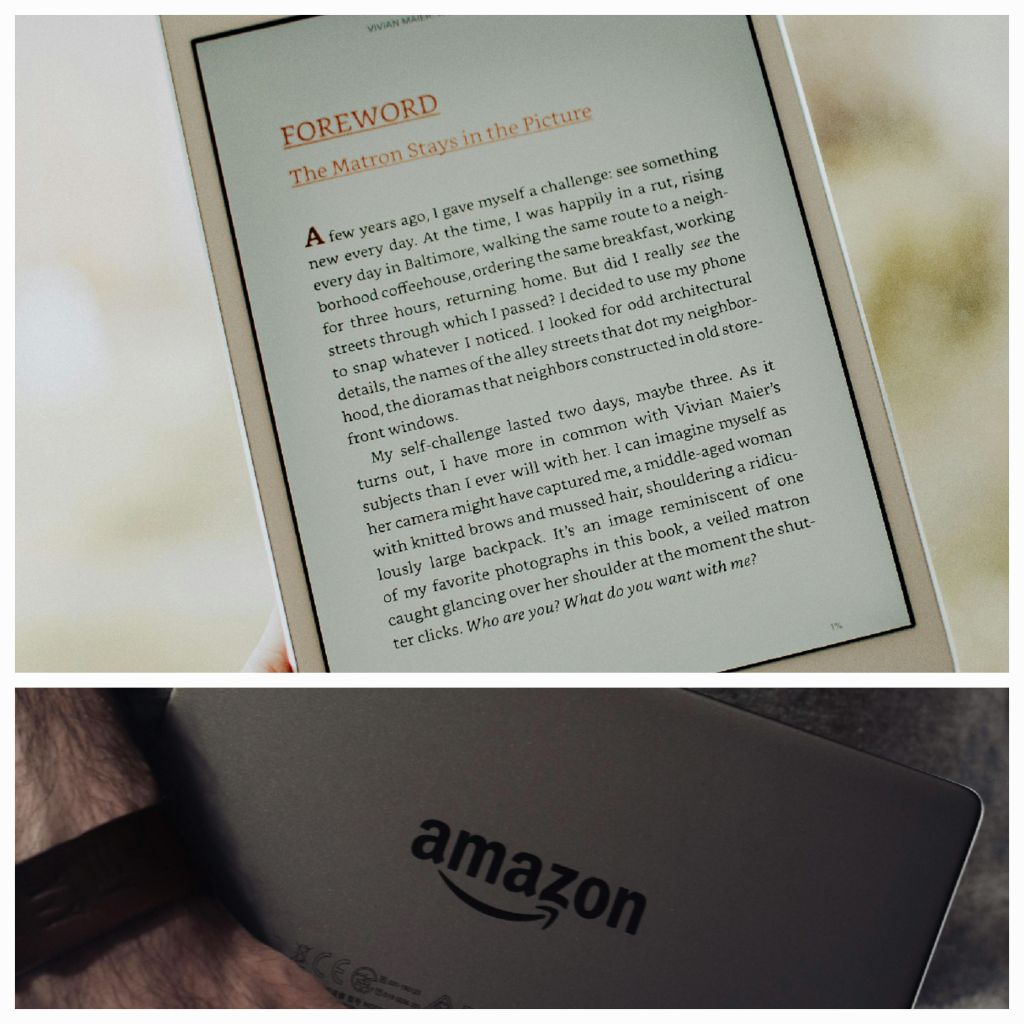
In a world where success is measured in clicks and sales figures, the true value of literature is often lost amidst the clamor of self-promotion and profit-seeking. But for those who still believe in the transformative power of books, the fight to reclaim the integrity of the publishing industry continues.
#selfpublishing #ebookpublishing #Amazon #grift #garbageebooks #publishingindustry #AIcontent #literarystandards #MikkelsenTwins #BigLuca
I’m participating in #BlogchatterA2Z

 Poetry Hub
Hello. Thanks for visiting. I’d love to hear your thoughts! What resonated with you in this piece? Drop a comment below and let’s start a conversation.