The sun rises over the sprawling fields, bathing the earth in a golden hue, the kind that makes you squint and feel the warmth on your skin. The hives are humming, a low, persistent drone that’s both soothing and unnerving, like the heartbeat of the world. Ramesh stands there, feeling the weight of generations on his shoulders, his father’s voice echoing in his head, reminding him of the delicate balance between man and nature. He moves slowly, deliberately, the veil covering his face a barrier between him and the bees, but also between him and his past, his memories, the things he’d rather forget but can’t, not completely.
The village is waking up, the clatter of pots and pans, the distant calls of vendors setting up their stalls, the cries of children playing in the dust. The smell of fresh chapati and ghee wafts through the air, mingling with the scent of jasmine and cow dung. Life is a tapestry here, woven with threads of tradition and change, the old and the new, constantly in motion, never settling. Ramesh’s hands move with practiced ease, checking the hives, making sure everything is in order, that the queen is healthy, that the workers are doing their job. There’s a rhythm to it, a dance almost, a connection that’s as old as time itself.
His mind wanders, drifting back to when he was a boy, running through these same fields, carefree, the future a distant concept, something that belonged to other people. His father’s voice, stern yet kind, teaching him the secrets of beekeeping, the importance of patience and respect, the understanding that these tiny creatures held the key to so much more than just honey. They were life itself, pollinating the flowers, ensuring the crops, a silent, tireless army working for the good of all. Ramesh learned to see the world through their eyes, to understand the fragility and strength that coexisted within each hive.
But then there were the hard times, the droughts and the floods, the years when the crops failed and the bees disappeared, leaving behind empty hives and broken dreams. His father’s health deteriorating, the weight of responsibility shifting onto Ramesh’s young shoulders. The struggle to keep the farm alive, to keep hope alive, in the face of adversity. The nights spent lying awake, listening to the sound of the wind through the trees, wondering if there would be enough to eat, if there would be enough to survive. The quiet desperation that seeped into every corner of life, like a shadow that never quite went away.
And then, the loss. His father’s passing, a blow that left him reeling, adrift in a sea of sorrow and uncertainty. The funeral pyre, the smell of sandalwood and smoke, the chants of the priests, the tears of his mother, the silent grief of the village. The realization that he was now alone, truly alone, the last keeper of a legacy that seemed both a blessing and a curse. The hives standing silent, a reminder of all that had been and all that was lost. He thought of leaving, of walking away from it all, but something held him back, a sense of duty perhaps, or maybe just the pull of the land, the roots that ran deep, binding him to this place, this life.
The years passed, and he found a rhythm, a way to keep going, to keep the bees alive, to keep the farm alive. He married, had children, watched them grow up in the same fields, learning the same lessons, facing the same challenges. He saw the world change around him, the encroachment of modernity, the encroachment of industry, the encroachment of something intangible yet pervasive, a sense that things were slipping away, that the old ways were fading, being replaced by something new and uncertain. The struggle to hold on, to preserve what he could, to adapt without losing himself, without losing the essence of who he was, of who they were.
The bees, always the bees, constant and unwavering, a reminder of the cycles of life, the seasons turning, the years passing, the continuity of existence. The honey, sweet and golden, a gift and a lifeline, the taste of summer and sunshine, the product of hard work and dedication. The market days, the bartering and bargaining, the sense of community, of belonging, of being part of something larger than himself. The festivals, the celebrations, the rituals that marked the passage of time, the births and deaths, the weddings and funerals, the laughter and tears, the ebb and flow of life.
And now, as he stands in the field, the sun rising higher, the hives buzzing with life, he feels a sense of peace, of acceptance. The understanding that life is not a straight line but a circle, ever turning, ever renewing. That the bees, with their tireless work and unwavering commitment, are a symbol of resilience, of hope, of the enduring power of life. He thinks of his father, of the lessons he taught, of the legacy he left behind, and he feels a deep sense of gratitude, of connection, of love. The past and the future, intertwined, inseparable, like the threads of a tapestry, creating a picture that is both beautiful and complex, both simple and profound.
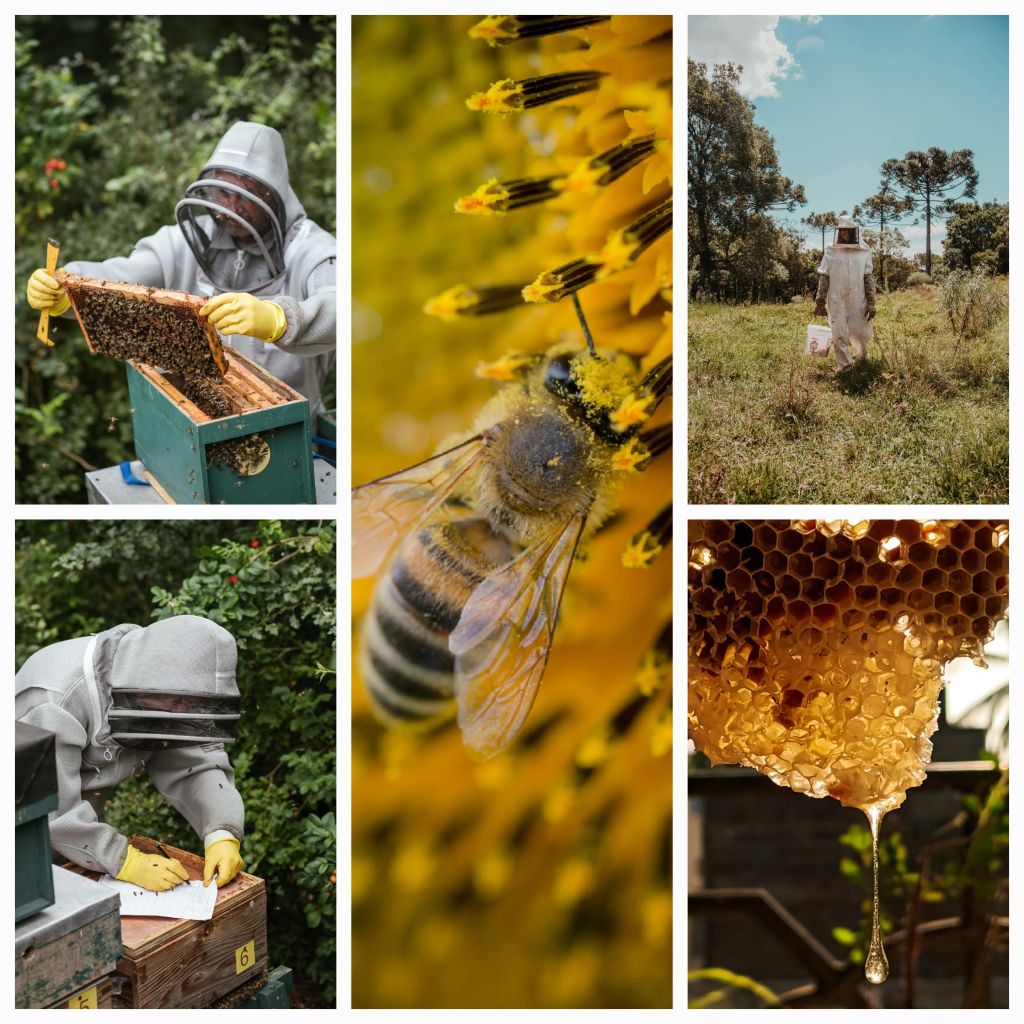
The sun rises, the bees hum, the world wakes up, and Ramesh smiles, a small, contented smile, knowing that he is exactly where he is meant to be, doing exactly what he is meant to do. The bees, always the bees, his constant companions, his teachers, his friends. The legacy continues, the cycle goes on, and he is at peace, at one with the world, with himself, with the bees.
#Beekeeping #RuralIndia #IndianAgriculture #SustainableFarming #TraditionalPractices #FarmLife #IndianCulture #EnvironmentalStewardship #Legacy #PersonalJourney

 Poetry Hub
Hello. Thanks for visiting. I’d love to hear your thoughts! What resonated with you in this piece? Drop a comment below and let’s start a conversation.