From Early Civilizations To Civilized World: A Deep Dive into Nina Selbst’s “Writ in Water”
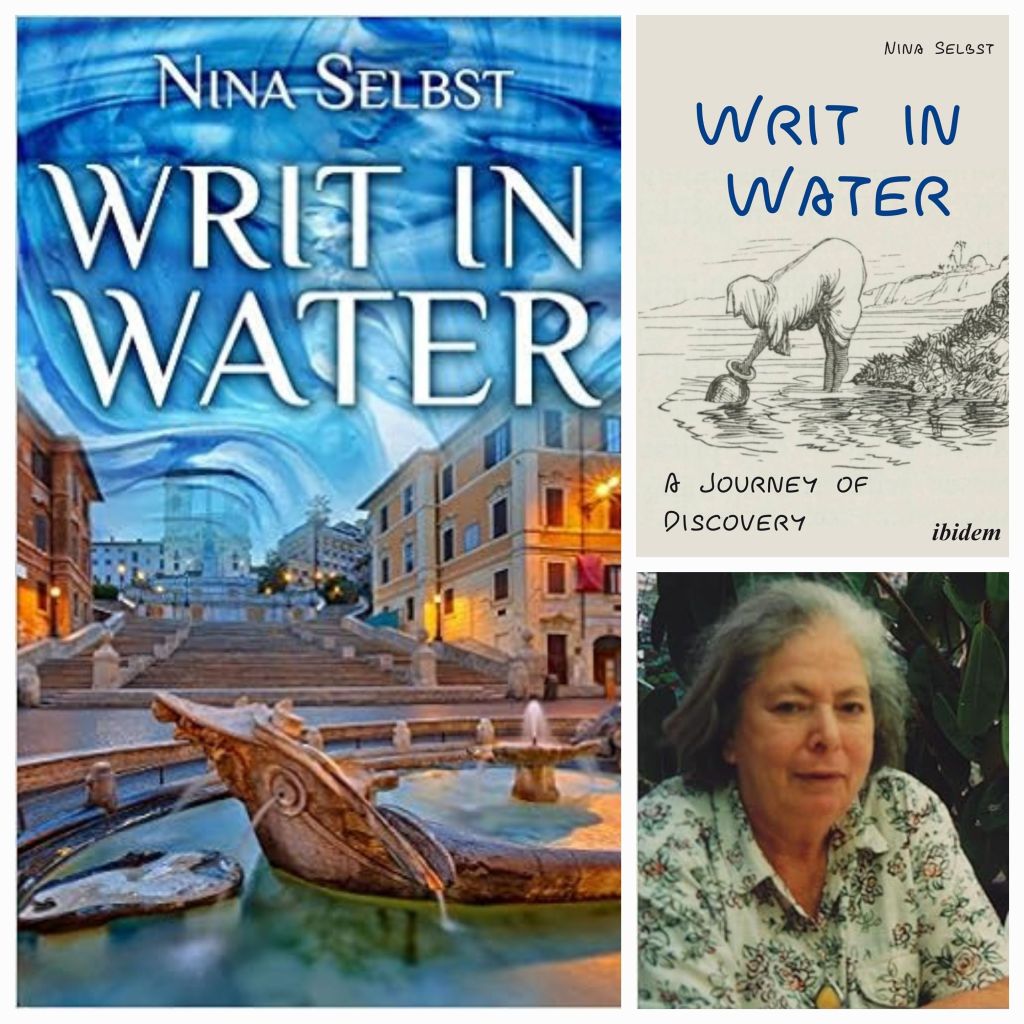
Water, the most essential element for life, has always been intricately linked with humanity. Nina Selbst’s 495-page tome, “Writ in Water,” delves into this profound relationship, exploring how water has shaped civilizations, cultures, and our very existence. The book offers a comprehensive narrative that spans from ancient myths to modern understandings, showcasing water’s pivotal role throughout history.
The Essence of Water
Water is a universal symbol and an essential resource that has been referenced by poets, writers, and historians for centuries. Its significance cannot be overstated—without water, life as we know it would not exist. Selbst captures this sentiment beautifully, creating a narrative that immerses readers in the flow of water’s story chapter by chapter. The title, “Writ in Water,” is inspired by the poet John Keats, who poignantly described his life as “writ in water” during his final months. This metaphor reflects the ephemeral yet crucial role water plays in our lives, despite being colorless, tasteless, and odorless.
Myths and Early Civilizations
The journey begins with the myths surrounding water in the Mediterranean Basin and its connections to ancient civilizations such as Babylon, Egypt, Greece, and Israel. These myths highlight how water was revered and considered a divine element in early human societies. The book then transitions to explore water-related myths in Asia, delving into the cosmogony and cosmology of various Asian cultures.
Water as a Catalyst for Civilization
Selbst masterfully illustrates how water acted as a catalyst for the development of tribal life into advanced civilizations, particularly in Africa and North America. The book discusses how access to water sources was crucial for the growth of societies, enabling agriculture, trade, and settlement. This transformation from nomadic tribes to settled communities marked the beginning of organized societies and the rise of civilizations.
A Glance at Early Civilizations
In the chapter “A Glance at Early Civilizations,” Selbst examines the significance of water in Mesopotamia, the Indus Valley, and China. Mesopotamia, often referred to as the cradle of civilization, thrived due to the Tigris and Euphrates rivers. The Indus Valley civilization, one of the world’s oldest, relied heavily on the Indus River for agriculture and trade. Similarly, ancient China’s development was centered around the Yellow and Yangtze rivers. These rivers not only provided sustenance but also facilitated communication and cultural exchange, laying the foundation for complex societies.
The Mediterranean Basin and Its Influence
The book delves deeper into the Mediterranean Basin, a region that played a pivotal role in the development of early human societies. The interaction between different cultures around the Mediterranean Sea led to a rich exchange of ideas, technologies, and beliefs. The myths and legends associated with water in this region reflect its importance in the daily lives and spiritual beliefs of ancient peoples.
Asian Cosmogony and Cosmology
Selbst’s exploration of water-related myths in Asia provides fascinating insights into the cosmogony and cosmology of various cultures. In many Asian traditions, water is seen as a primordial element from which life emerged. These myths often depict water as a life-giving force, essential for creation and sustenance. The reverence for water in these cultures underscores its vital role in shaping human beliefs and practices.
Africa and North America: From Tribes to Civilizations
The book transitions to Africa and North America, where the availability of water shaped the development of tribal societies into more complex civilizations. In Africa, rivers such as the Nile played a crucial role in the growth of societies, providing fertile land for agriculture and enabling trade and communication. Similarly, in North America, water sources were central to the development of various indigenous cultures, influencing their way of life and interactions with the environment.
The Road to Civilization
Selbst emphasizes the transformative power of water in the journey from tribal life to civilization. Access to water allowed communities to settle, grow crops, and develop trade networks, leading to the emergence of complex societies. The book provides detailed accounts of how water facilitated the growth of civilizations by enabling agriculture, supporting population growth, and fostering economic and cultural exchanges.
A Detailed Examination of Early Civilizations
In her detailed examination of early civilizations, Selbst highlights how water influenced the growth and development of Mesopotamia, the Indus Valley, and China. The Tigris and Euphrates rivers enabled the rise of Mesopotamian cities, while the Indus River supported the agricultural and trade activities of the Indus Valley civilization. In China, the Yellow and Yangtze rivers were central to the development of early Chinese society, supporting agriculture, transportation, and cultural exchange.
The Broader Impact of Water
Beyond the early civilizations, “Writ in Water” explores the broader impact of water on human history. The book delves into the role of water in various aspects of life, including health, hygiene, and industry. Selbst discusses the importance of clean drinking water, the development of irrigation systems, and the use of water in various industries. She also examines the cultural and spiritual significance of water, highlighting its role in art, literature, and religion.
Conclusion
“Writ in Water” by Nina Selbst is a comprehensive and insightful exploration of the profound relationship between water and humanity. By examining the role of water in myths, early civilizations, and modern society, Selbst provides a nuanced understanding of how this essential element has shaped human history. The book is a testament to the enduring importance of water, highlighting its central role in the development of civilizations and the sustenance of life. For anyone interested in the intersection of natural resources and human history, “Writ in Water” is an enlightening and thought-provoking read.
#NinaSelbst #WritInWater #WaterAndCivilization #AncientCivilizations #WaterMyths #HistoryOfWater #Mesopotamia #IndusValley #ChineseHistory #MediterraneanBasin
I’m participating in the #TBRChallenge by Blogchatter

 Poetry Hub
Hello. Thanks for visiting. I’d love to hear your thoughts! What resonated with you in this piece? Drop a comment below and let’s start a conversation.