The Inflation Reduction Act (IRA), signed into law by President Biden on August 16, 2022, has been lauded by its proponents as a monumental step in addressing economic and environmental issues in the United States. But let’s peel back the polished rhetoric, and what do we find? A web of contradictions, protectionism disguised as progress, and a policy framework that, despite its lofty aspirations, seems destined to exacerbate global economic inequalities while offering little more than a Band-Aid to the climate crisis.
A Grand Illusion of Progress
At first glance, the IRA appears to be a comprehensive approach toward combating climate change, with funding funneled toward innovation and the development of climate-friendly materials. The EPA is supposedly empowered to measure emissions over the life cycle of construction materials, pushing America into a greener future. However, let’s not kid ourselves. This “future” comes at a steep cost—both economically and geopolitically. The act may well be a pivot toward so-called “green capitalism,” but underneath, it reeks of the age-old American game of protecting domestic interests at the expense of the global economy.
The world’s largest crude oil producer and liquefied natural gas exporter wants to play the hero in reducing carbon emissions? The irony is almost painful. The very nation that continues to contribute substantially to global carbon dioxide emissions now wishes to be applauded for throwing a few billion dollars at green technology, while ignoring the elephant in the room—its relentless fossil fuel consumption and global resource extraction. The IRA may throw crumbs to environmentalists, but make no mistake: the US is still locked in a race to maintain its position as a global energy powerhouse, no matter the ecological cost.
The Farce of the Carbon Border Adjustment Mechanism (CBAM)
Supporters of the IRA champion the potential future implementation of a U.S. Carbon Border Adjustment Mechanism (CBAM), claiming it will level the playing field for domestic industries. Ah yes, because nothing screams “fairness” quite like slapping a fee on imports based on their greenhouse gas emissions while continuing to pump out emissions domestically. This idea, of course, is not new—the European Union has already set the stage with its own CBAM, targeting imports of cement, iron, steel, and other emissions-intensive products. But before we start celebrating this as a milestone in global climate policy, let’s take a closer look.
A carbon border adjustment mechanism is little more than protectionism in a green cloak. The premise is that imported goods with higher emissions should be penalized, ostensibly encouraging cleaner practices abroad. But in reality, the policy does little more than punish less affluent nations, whose industries—without the luxury of cutting-edge green technology—cannot keep up with the draconian standards set by the West. Developing countries, many of which have already been ravaged by centuries of Western colonial exploitation, now face a new economic imperialism—this time in the name of climate.
The U.S., poised to implement its own version of CBAM, is eager to use the climate crisis as a pretext for ramping up its trade war under the guise of environmental stewardship. And let’s not ignore the fact that this mechanism will likely deepen global inequalities, as the rich countries of the West pat themselves on the back for their “clean” industries, while the developing world pays the price, both financially and environmentally.
The High Cost of Protectionism
What’s particularly galling about the IRA is how, beneath its environmental veneer, it’s driving the U.S. toward an increasingly protectionist stance. The Act’s subsidies and incentives for domestic clean energy production appear to be aimed less at saving the planet and more at bolstering U.S. manufacturing and industry. If the IRA had a motto, it would likely be: “Green, but make it American.”
But there’s a cost to this brand of isolationism, and it’s not just paid by U.S. consumers, who will be forced to purchase domestically produced goods that are often more expensive and inferior to their foreign counterparts. The true cost is borne by developing nations, whose economies rely on exporting cheaper goods to wealthier countries. The IRA’s protectionist tendencies will drive a deeper wedge between the developed and developing world, increasing trade imbalances and fostering resentment.
In many ways, the IRA echoes the economic nationalism espoused by Donald Trump during his presidency. Biden’s administration, for all its pretenses of international cooperation, has quietly embraced some of the same isolationist policies, placing American industry first while penalizing foreign competitors. Trump’s tariff wars, Biden’s protectionist subsidies—it’s all part of the same zero-sum game that ignores the realities of a globalized economy.
Crushing the Hopes of Developing Nations
What the IRA fails to acknowledge—or perhaps deliberately ignores—is the fundamental role that international trade has played in reducing global poverty. For decades, developing nations that embraced global markets—China and India being prime examples—have experienced unprecedented economic growth, lifting billions of people out of poverty. By erecting barriers to trade under the guise of climate action, the U.S. is effectively cutting off these opportunities for the world’s poorest nations.
The IRA’s insistence on penalizing the importation of cheaper, foreign-made goods creates a chilling effect on trade with developing countries. By privileging domestic production, the U.S. is abandoning any pretense of promoting global economic justice. It’s as though the Biden administration has decided that the struggles of people living in poverty-stricken nations are a secondary concern, a mere footnote in America’s self-congratulatory climate narrative.
Green Technology—A New Frontier for Inequality?
While the IRA doles out billions in subsidies for clean energy technology, it also widens the technological gap between the developed and developing world. The U.S. and other wealthy nations are positioning themselves as leaders in green technology, while developing countries are left to scramble for access to the innovations they need to compete. The result? A two-tier global system where the rich get richer under the banner of climate action, while the poor are left to fend for themselves in an increasingly hostile economic environment.
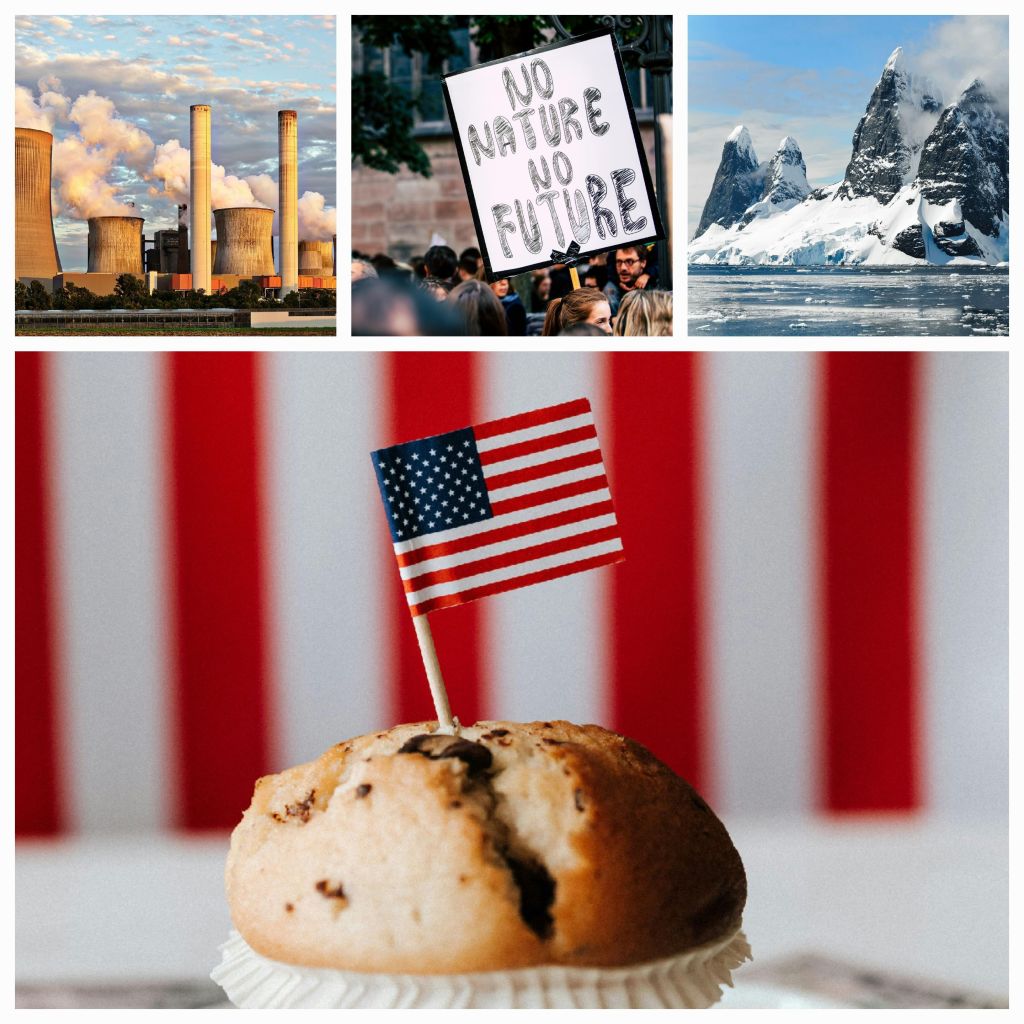
Conclusion: A Hollow Victory for Climate, A Crushing Blow to Global Equality
The Inflation Reduction Act may be hailed as a landmark piece of legislation, but its flaws are glaring. Its environmental initiatives are undermined by rampant protectionism, its CBAM policies threaten to exacerbate global inequalities, and its domestic subsidies risk creating trade imbalances that will hurt developing nations the most. This is not the progressive climate action the world needs—it’s a cynical rehashing of old economic protectionism, dressed up in green.
The IRA is not a bold step toward a more equitable and sustainable future; it’s a continuation of the same American exceptionalism that has long driven global inequality. Climate change may be a global problem, but under the IRA, the solution is strictly “Made in America.”

#InflationReductionAct #ClimateChange #Protectionism #GlobalInequality #CarbonEmissions #GreenTechnology #USTradePolicy #ClimateAction #BidenAdministration #EconomicJustice

 Poetry Hub
Hello. Thanks for visiting. I’d love to hear your thoughts! What resonated with you in this piece? Drop a comment below and let’s start a conversation.