Hatsune Miku: A Global Phenomenon Across Cultures
Introduction
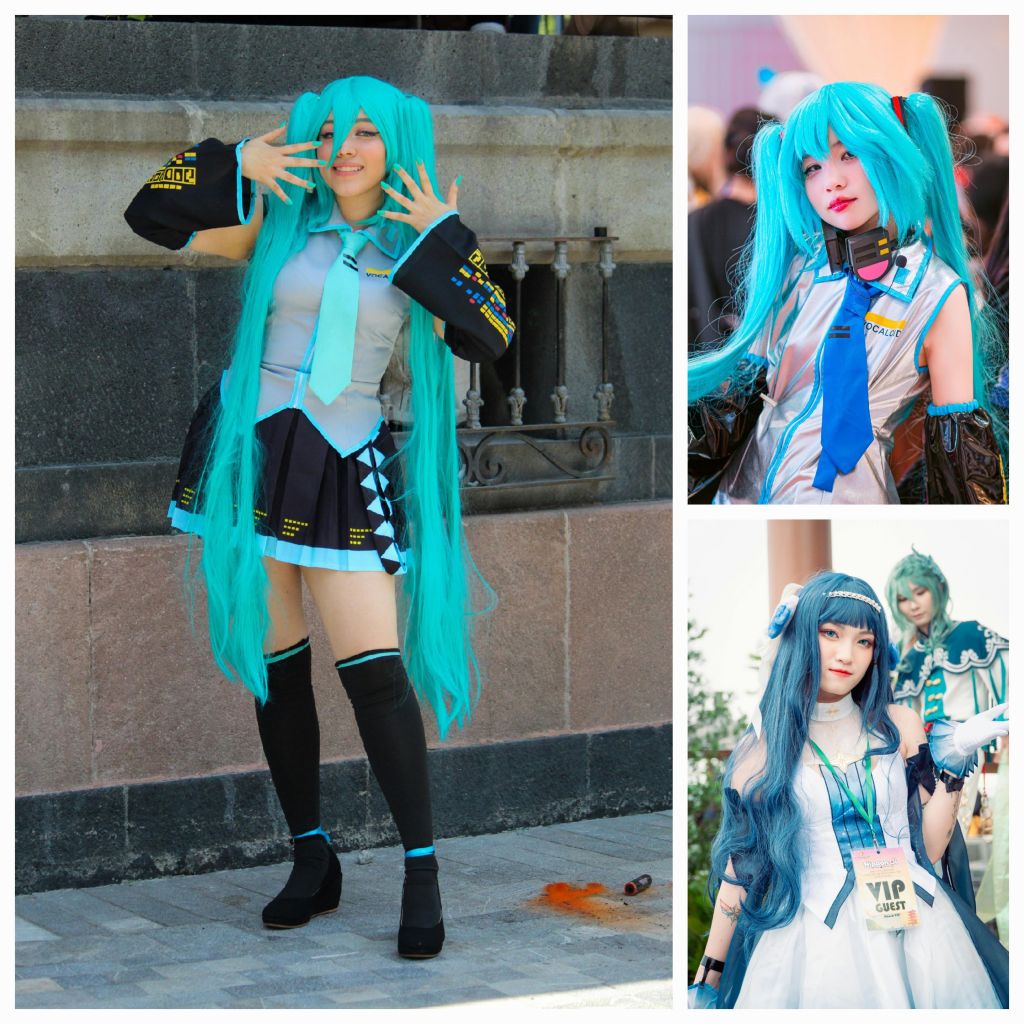
Hatsune Miku, a vocaloid software developed by Crypton Future Media, has become a global icon since her debut in 2007. Known for her distinctive blue hair, futuristic appearance, and her ability to “sing” in a multitude of styles, Miku has transcended the boundaries of her origin in Japan. Her influence stretches far beyond the world of anime and video games, becoming a symbol of digital artistry and cultural exchange. This article explores how Hatsune Miku has been embraced, interpreted, and reimagined across various cultures around the world.
1. Catalonia: A Blend of Tradition and Futurism
In Catalonia, Hatsune Miku has been embraced as a symbol of the region’s fusion of traditional and modern elements. Catalan fans appreciate how Miku represents a blend of the old and the new, much like Catalonia’s own cultural landscape. Traditional Catalan festivals and music are often reimagined with Miku’s presence, creating a unique juxtaposition of historical and contemporary influences. Miku’s influence is seen in local fan art, where traditional Catalan costumes are adapted for her character, and in musical events where her synthesized voice is used to perform traditional Catalan folk songs.
2. Korean Culture: A Digital Idol
In South Korea, Hatsune Miku has been integrated into the vibrant world of K-pop and digital entertainment. Korean fans are particularly attracted to her ability to produce high-quality vocal performances that can mimic the style of popular K-pop idols. Collaborations between Miku and Korean artists have resulted in unique cross-cultural projects, where Miku’s voice is used to cover K-pop hits or create original songs that blend Korean musical elements with her futuristic sound. Miku’s concerts in South Korea have been known to incorporate Korean pop culture references, further bridging the gap between Japanese and Korean entertainment.
3. Nigerian Influence: A Modern Fusion
Nigeria’s relationship with Hatsune Miku is marked by an exciting fusion of traditional African music and digital innovation. Nigerian artists and fans have explored the potential of integrating Miku’s vocaloid technology with indigenous African rhythms and instruments. This fusion has resulted in a new genre of music that combines Miku’s synthetic voice with traditional Nigerian sounds like Afrobeat and highlife. Additionally, Nigerian visual artists have incorporated Miku into their work, creating a blend of futuristic aesthetics with traditional African art forms.
4. Navajo Culture: A Unique Representation
In the Navajo culture, Hatsune Miku’s presence is seen as a bridge between traditional Native American art and modern digital expression. Navajo artists have reimagined Miku using traditional motifs and symbols, creating artwork that blends Navajo aesthetics with Miku’s iconic design. Some Navajo music producers have experimented with Miku’s vocaloid technology to incorporate Native American musical elements, creating a new form of digital expression that respects and celebrates their cultural heritage.
5. Western Europe: A Cultural Phenomenon
Across Western Europe, Hatsune Miku has captured the imagination of fans with her innovative approach to music and performance. In countries like France, Germany, and the UK, Miku has been featured in various artistic projects and live performances. In France, Miku’s concerts have been celebrated with elaborate visual displays that incorporate French artistic styles. German fans have been intrigued by her ability to blend with various genres of music, from electronic to classical. In the UK, Miku has been featured in music festivals and cultural events that celebrate digital and contemporary art.
6. South American Flavors: Embracing Diversity
In South America, Hatsune Miku’s influence is reflected in the diverse musical and artistic expressions found across the continent. Brazilian fans have embraced her in the context of Carnival, where Miku’s virtual performances are combined with the vibrant rhythms of samba and bossa nova. In Argentina, Miku has been featured in artistic installations that blend digital technology with traditional Argentine tango. Across the continent, Miku’s versatility has allowed her to adapt to various musical styles and cultural contexts, making her a symbol of creative experimentation.
7. Middle Eastern Adaptations: Digital Innovation Meets Tradition
In the Middle East, Hatsune Miku’s presence has been marked by a blend of digital innovation and traditional music. In countries like Japan and the UAE, Miku’s concerts have included elements of Middle Eastern music and dance. Arab fans have integrated Miku’s voice with traditional instruments such as the oud and darbuka, creating a unique fusion that respects both Miku’s digital origins and Middle Eastern musical traditions. This cross-cultural exchange highlights the adaptability of Miku’s technology and its potential to connect with diverse audiences.
Conclusion
Hatsune Miku is more than just a digital vocaloid; she is a global phenomenon that has touched the lives and imaginations of people from various cultures around the world. From Catalonia to Nigeria, South Korea to the Navajo Nation, Miku’s influence is a testament to the power of digital art and music to transcend cultural boundaries. As Miku continues to evolve and inspire, her impact on global culture will undoubtedly continue to grow, reflecting the diverse and interconnected world we live in today.
#HatsuneMiku #Vocaloid #DigitalIdol #GlobalPhenomenon #CulturalImpact #JapanesePopCulture #CrossCultural #DigitalArt #InternationalMusic

 Poetry Hub
Hello. Thanks for visiting. I’d love to hear your thoughts! What resonated with you in this piece? Drop a comment below and let’s start a conversation.