The Sepik River region in Papua New Guinea is one of the most culturally rich and diverse areas in the world, home to many indigenous groups with unique traditions and customs. Among these, the initiation ceremonies stand out for their profound significance in marking the transition from adolescence to adulthood. These rites of passage are deeply intertwined with spiritual beliefs, social status, and cultural identity, particularly for men, although women’s initiation practices also exist in some groups. The initiation ceremonies of the Sepik River peoples are not merely rituals but an immersive experience that defines one’s role in the community, fosters a connection with ancestral spirits, and integrates the initiate into the broader socio-religious fabric of their tribe.
Background and Cultural Context
The Sepik River, which stretches over 1,100 kilometers, is the longest river in Papua New Guinea and one of the largest freshwater ecosystems in the world. The river basin is home to various indigenous groups, each with distinct customs but often sharing common threads in spiritual and social life. The people of the Sepik River area live in villages along the riverbanks, and their daily lives revolve around fishing, agriculture, and the natural world around them.
One of the most notable aspects of Sepik culture is its rich artistic tradition. This is reflected in the intricate wood carvings, masks, and body art that play a central role in ceremonies, especially in initiation rites. The art is not merely decorative but has deep spiritual meaning, often representing ancestral figures or natural forces. These elements form a crucial part of the initiation ceremonies, which aim to spiritually connect the initiate with the ancestral world.
The Importance of Initiation
In many Sepik societies, initiation is a fundamental rite that transforms boys into men and prepares them for their roles as warriors, hunters, and future leaders. The initiation ceremony is seen as a crucial element of the individual’s social development. It serves not only to educate the initiates about the skills and knowledge required for adult life but also to instill values such as bravery, discipline, and loyalty to the community.
For the communities along the Sepik River, initiation ceremonies are often seen as a necessary passage that helps individuals gain spiritual protection from ancestors. It also serves to deepen their understanding of their culture, their history, and their connection to the land. The belief is that through initiation, the boys are reborn as men, leaving behind their childhood and embracing their responsibilities as adults.
The Spirit House (Haus Tambaran)
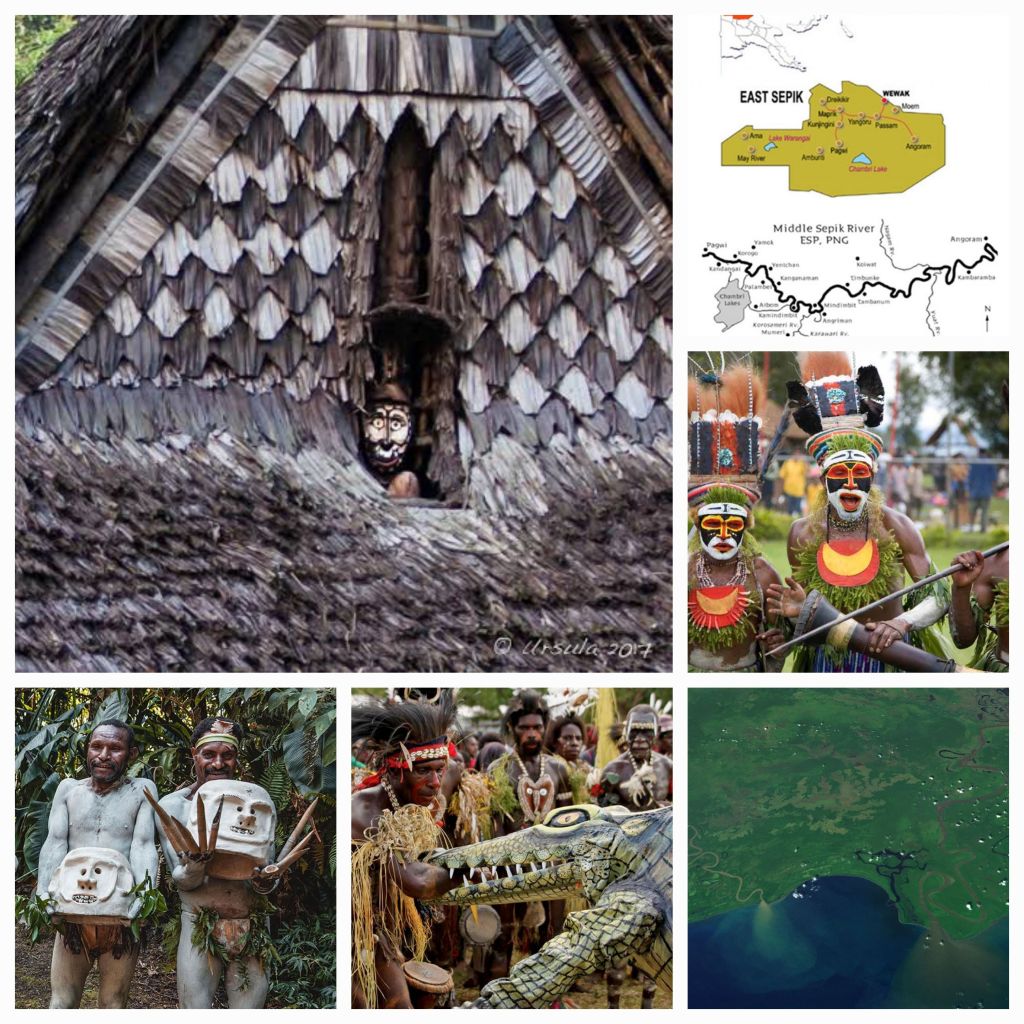
One of the central features of initiation ceremonies in the Sepik River area is the use of the “Haus Tambaran,” or spirit house. The Haus Tambaran is a sacred space that serves as a focal point for religious and ceremonial activities. It is typically an elaborately decorated structure that houses sacred objects, masks, and carvings that represent ancestral spirits. Only initiated men are allowed to enter the spirit house, making it a highly exclusive space where sacred knowledge is passed down from generation to generation.
Before an initiation ceremony, boys are typically secluded in the spirit house for extended periods, sometimes lasting several months. During this time, they are taught the customs, traditions, and spiritual beliefs of their community. They learn the stories of their ancestors, how to hunt and fish, and the importance of upholding the values of their tribe. This period of seclusion is essential in preparing the boys for the physical and psychological challenges they will face during the initiation itself.
The Crocodile Scarring Ritual
Perhaps the most iconic and widely known element of initiation ceremonies in the Sepik River area is the crocodile scarring ritual, particularly practiced by the Chambri and Iatmul people. This painful yet highly symbolic process involves cutting the skin of the initiates with a sharp blade to create patterns resembling the scales of a crocodile. The crocodile is a revered animal in Sepik culture, believed to be a powerful spiritual being that inhabits both the physical and spiritual realms.
The crocodile is considered an ancestor of the Sepik people, and the scarring ritual symbolizes the initiate’s connection to this ancestral spirit. The cuts, made on the back, chest, and arms, are arranged in patterns that mimic the scales of a crocodile. As the wounds heal, they form raised scars, which are seen as a mark of honor and a physical manifestation of the initiate’s transformation from a boy into a man.
The ritual is extremely painful and requires immense physical and emotional strength. The process is overseen by elder men who guide the initiates through the ordeal, encouraging them to endure the pain without showing weakness. The ability to withstand the pain is seen as a test of the initiate’s readiness to take on the responsibilities of adulthood. Once the ritual is completed, the scars serve as a lifelong reminder of the initiate’s passage into manhood and their connection to the ancestral world.
Symbolism and Spiritual Beliefs
The initiation ceremonies in the Sepik River area are steeped in symbolism. The crocodile, as mentioned earlier, is one of the most important symbols, representing power, strength, and the connection between the human and spiritual worlds. The scars left by the initiation ritual are not only a mark of physical endurance but also a sign of the initiate’s spiritual rebirth.
Other animals, such as birds and fish, also play important roles in the spiritual beliefs of the Sepik people. These animals are often depicted in the art and carvings used during the ceremonies, and they are believed to be messengers between the human world and the spirit world.
The use of masks is another important aspect of initiation ceremonies. These masks, often elaborately carved and painted, represent ancestral spirits and are used to invoke their presence during the rituals. The masks are worn by the elders who perform the initiation, further emphasizing the connection between the initiates and their ancestors.
The process of initiation is seen as a form of death and rebirth. The boys enter the ceremony as children, but through the rituals, they “die” to their old selves and are reborn as men. This concept of spiritual rebirth is central to many initiation ceremonies around the world, but in the Sepik River area, it is closely tied to the belief in ancestral spirits and the continuity of life.
Social and Economic Impact
While the spiritual and cultural significance of initiation ceremonies is paramount, these rituals also have important social and economic implications for the Sepik River communities. The initiation ceremonies are community events that bring people together, reinforcing social bonds and shared values. They are also a way for the community to pass down important skills and knowledge to the next generation.
The economic aspect of initiation ceremonies is often overlooked, but it plays a significant role in the lives of the Sepik people. The preparation for these ceremonies can be expensive, requiring resources for food, decorations, and ceremonial objects. Families often save for years to ensure that their sons can undergo initiation, and the ceremonies themselves are seen as a form of investment in the future of the community.
The Role of Women in Initiation Ceremonies
While most initiation ceremonies in the Sepik River area are focused on men, women also have their own rites of passage in some communities. These ceremonies, though less well-documented, are equally important in marking the transition from girlhood to womanhood. The details of these ceremonies vary between different groups, but they often involve seclusion, instruction in domestic and social responsibilities, and rituals that emphasize fertility and motherhood.
Women’s initiation ceremonies are less physically demanding than the crocodile scarring rituals, but they are no less significant in the social and spiritual life of the community. Like the men, women are expected to embody the values of their culture and to pass these down to the next generation.
Modern Changes and Preservation of Tradition
In recent years, the initiation ceremonies of the Sepik River area have faced challenges due to the influence of modernization, Christianity, and outside economic forces. Missionary activity has led to the decline of some traditional practices, and many young people are now leaving their villages to seek education and employment in urban areas. This has led to a gradual erosion of traditional cultural practices, including initiation ceremonies.
However, efforts are being made to preserve these important traditions. Cultural revival movements, supported by both local leaders and anthropologists, have sought to document and revive initiation ceremonies. These efforts aim to strike a balance between preserving cultural identity and adapting to the changing world.
Conclusion
The initiation ceremonies of the Sepik River area are a profound expression of the region’s cultural and spiritual beliefs. These rites of passage are more than just a transition from childhood to adulthood; they are a vital part of the community’s identity, connecting individuals to their ancestors, their land, and their culture. While modernization poses challenges to these traditions, the resilience of the Sepik people ensures that these ceremonies will continue to play a crucial role in their lives for generations to come.
#SepikRiver #IndigenousCultures #NewGuineaTraditions #InitiationCeremony #CrocodileScarring #RiteOfPassage #TribalRituals #PapuaNewGuineaCulture #CulturalPreservation #IndigenousSpirituality

 Poetry Hub
Hello. Thanks for visiting. I’d love to hear your thoughts! What resonated with you in this piece? Drop a comment below and let’s start a conversation.