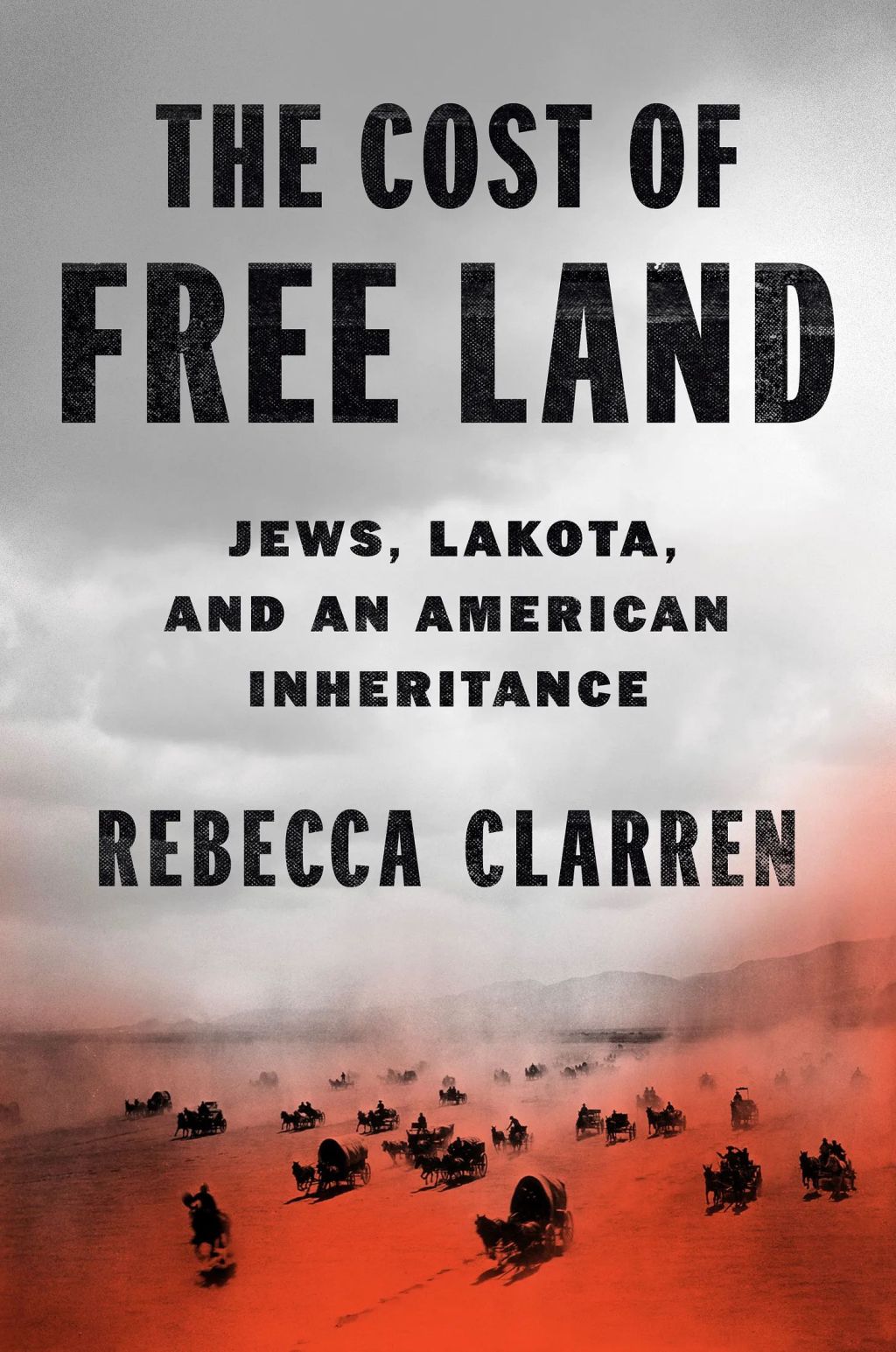
Review of The Cost of Free Land: Jews, Lakota, and an American Inheritance by Rebecca Clarren
Rebecca Clarren’s The Cost of Free Land is a groundbreaking exploration of the historical intersections between Jewish settlers and the Lakota people, centered around the broader issue of land dispossession in America. Clarren’s book is personal and profound, as it grapples with her own family’s history of homesteading on stolen Lakota land, while diving deeply into the tragic history of Indigenous dispossession. This is a compelling and timely narrative that examines how the so-called “free land” of the American frontier came at the tremendous cost of Native lives, cultures, and sovereignty.
A Personal Journey Through History
The book’s uniqueness comes from Clarren’s ability to weave her family’s history into the larger fabric of American colonialism. As a Jewish woman, Clarren’s family, like many other Jewish immigrants, sought freedom and a fresh start in America. The land promised to homesteaders under the 1862 Homestead Act appeared to represent opportunity, stability, and refuge from persecution. However, this land was not “free”; it came at the expense of the Lakota and other Indigenous peoples who had lived on and cared for the land for generations.
Clarren embarks on an emotional journey to uncover the truth behind her family’s homestead and its violent origins. This process brings to light the often-overlooked role that Jewish settlers played in the westward expansion, challenging readers to reflect on the complicity of immigrant communities, even those who themselves fled oppression, in the broader narrative of Indigenous dispossession.
An Intersection of Two Marginalized Histories
The tension at the heart of the book lies in the contrast between two marginalized histories: that of Jews, who fled violence and persecution in Europe, and that of Indigenous peoples, whose land was violently taken in the creation of the United States. Clarren takes great care to explore this intersection without minimizing the experiences of either group. In doing so, she illuminates a larger truth about American history: that the promise of the American Dream was often built on the oppression and exploitation of others.
The complexity of Clarren’s narrative makes The Cost of Free Land a vital contribution to the conversation around American history, particularly in our current moment when there is a renewed focus on the legacies of colonization and systemic racism. The book forces us to confront the uncomfortable truth that for many immigrant communities, the “freedom” they sought in America was inseparable from the violent displacement of Indigenous peoples.
Engaging with the Lakota Perspective
One of the most compelling aspects of the book is Clarren’s dedication to engaging with the Lakota perspective. She doesn’t simply tell her family’s story in isolation; instead, she works to understand the full impact of the Homestead Act on the Lakota people, whose lives and cultures were irreparably damaged by the loss of their land. Clarren draws on extensive research, interviews, and historical records to provide a nuanced portrayal of the Lakota experience during and after the era of homesteading.
Through her interviews with modern Lakota descendants, Clarren is able to show the lasting impact of land dispossession. This approach brings a human element to the abstract concept of colonization, giving voice to those whose stories are often marginalized in mainstream American history. The book doesn’t shy away from the deep wounds left by colonization, and the sections exploring the Lakota struggle for land rights and sovereignty are both heart-wrenching and inspiring.
The Cost of “Free” Land
The title of the book, The Cost of Free Land, encapsulates the central argument of Clarren’s narrative: that the land was never truly “free.” For every acre granted to settlers under the Homestead Act, an Indigenous person lost their home, their connection to their ancestral land, and often their life. Clarren meticulously details the brutal policies that enabled this land theft, from broken treaties to military campaigns designed to forcibly remove Indigenous populations from their territories.
In examining her own family’s legacy, Clarren confronts the moral implications of their participation in this system. This introspection leads to broader questions about accountability, reparations, and what it means to live ethically in the present, knowing the violent history that allowed for modern prosperity. Clarren’s personal grappling with these issues makes the book feel raw and immediate, and it challenges readers to confront their own relationship to history.
A Timely Reflection on American Identity
The Cost of Free Land is more than a history book; it is a reflection on what it means to be an American. Clarren’s writing invites readers to critically examine the myths that have shaped our understanding of the past, and to recognize the uncomfortable truths that are often left out of the story. At a time when debates about land, history, and identity are more relevant than ever, Clarren’s book serves as a crucial reminder of the importance of confronting the full scope of American history, no matter how painful it may be.
This work also speaks to the ongoing struggles of Indigenous peoples in America, many of whom are still fighting for the return of their ancestral lands and for recognition of the injustices they have suffered. Clarren doesn’t claim to have all the answers, but she makes it clear that grappling with these questions is a necessary step towards healing and justice.
Conclusion: A Must-Read for Understanding America’s Complex Legacy
Rebecca Clarren’s The Cost of Free Land is a beautifully written, deeply researched, and emotionally charged exploration of history, identity, and the legacies of colonization. By weaving together her personal family history with the larger narrative of Indigenous dispossession, Clarren offers a nuanced and thought-provoking examination of what it means to be an American, and what it means to be accountable for the past.
This book is essential reading for anyone interested in understanding the full scope of American history, especially in relation to the complexities of land ownership, immigration, and Indigenous rights. It challenges readers to think critically about their own connections to the past and offers a powerful reminder that the cost of “free” land was paid by those who had it stolen from them.
#TheCostOfFreeLand #RebeccaClarren #IndigenousRights #LakotaHistory #JewishSettlers #AmericanHistory #Colonialism #LandDispossession #ImmigrationHistory #HomesteadAct
I’m participating in the #TBRChallenge by Blogchatter

 Poetry Hub
Hello. Thanks for visiting. I’d love to hear your thoughts! What resonated with you in this piece? Drop a comment below and let’s start a conversation.