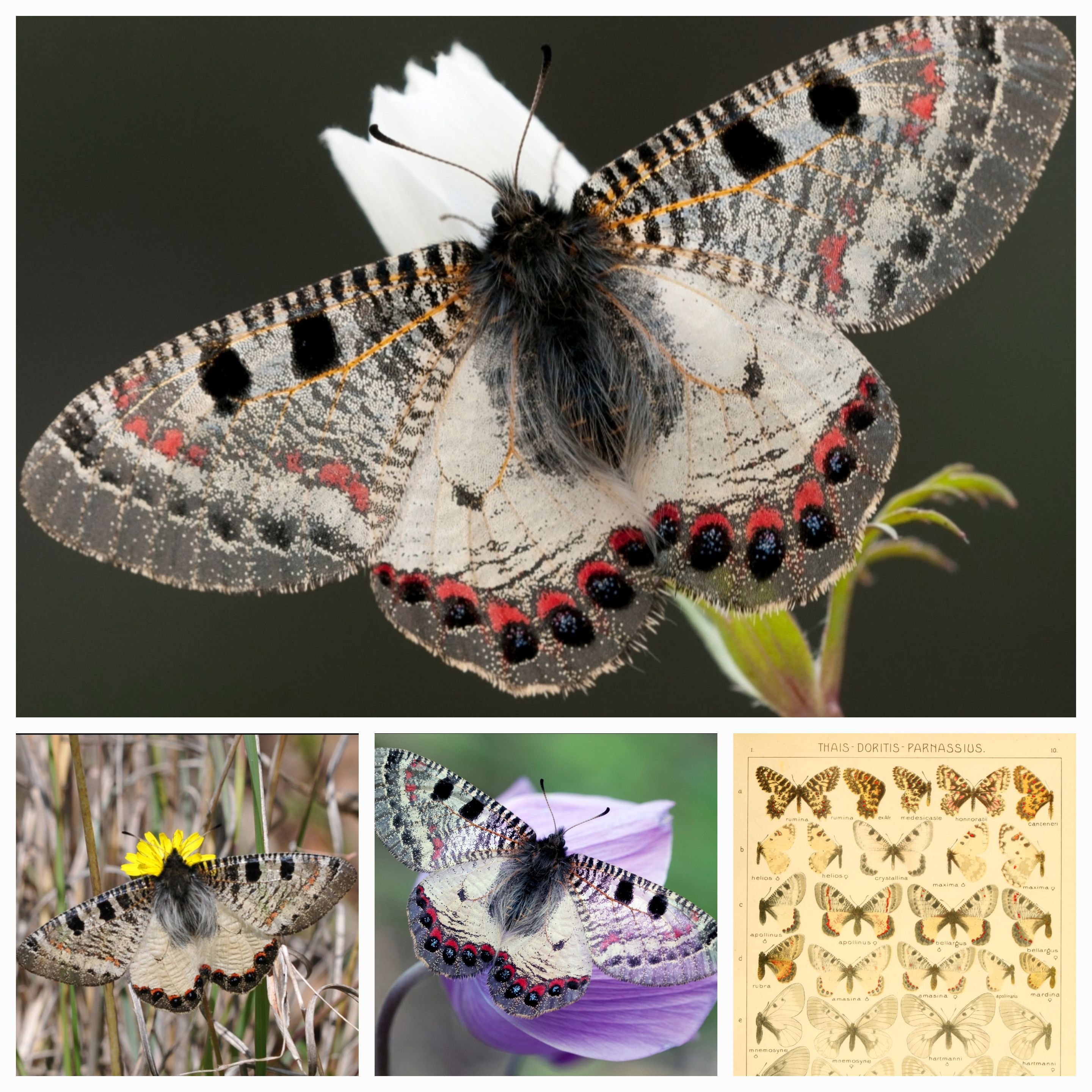
The Beautiful False Apollo (Archon apollinus bellargus): A Detailed Exploration of a Unique Butterfly
The Beautiful False Apollo (Archon apollinus bellargus) is a mesmerizing and unique butterfly species that belongs to the family Papilionidae, a group commonly known as swallowtail butterflies. With its vibrant patterns, delicate wings, and fascinating behavior, the Beautiful False Apollo holds a significant place in the world of entomology and biodiversity. This butterfly is primarily found in parts of Eastern Europe and Western Asia, inhabiting temperate regions that provide the ideal environment for its life cycle and development.
In this article, we will explore the intricate details of the Beautiful False Apollo, including its physical characteristics, habitat, life cycle, behavior, ecological significance, and the conservation efforts surrounding it. Additionally, we will delve into its cultural impact and the scientific research that has shed light on its evolutionary history.
1. Physical Characteristics
The Beautiful False Apollo is a medium-sized butterfly, with a wingspan typically ranging between 45 to 65 millimeters. One of the most striking features of this butterfly is its wing pattern and coloration. The wings are a pale yellow or creamy white with bold black and brown markings that create a highly contrasting and visually appealing design. These patterns serve multiple purposes, from camouflage to communication.
The forewings display a unique arrangement of black spots and lines, while the hindwings are adorned with darker marginal bands. The underside of the wings is equally fascinating, with a more subdued version of the pattern seen on the upper side. The combination of these features allows the butterfly to blend into its surroundings when resting, particularly on sunlit rocky areas or vegetation.
Another characteristic that sets the Beautiful False Apollo apart is its tail-less hindwings. Unlike many other swallowtails, which possess prominent tails that resemble those of swallows (hence their name), the Beautiful False Apollo lacks these appendages. This tail-less feature, along with its distinctive color pattern, has led to its classification as a “false” Apollo, distinguishing it from the true Apollo butterflies of the genus Parnassius.
2. Habitat and Distribution
The Beautiful False Apollo is primarily found in regions that have a Mediterranean climate. Its range extends across parts of Southeastern Europe, including countries like Greece, Bulgaria, and Turkey, as well as into parts of the Middle East, such as Israel, Jordan, and Iran. These areas offer the butterfly a combination of warm temperatures, rocky terrains, and the presence of its host plants, which are essential for its reproduction and larval development.
The butterfly typically inhabits dry, open areas such as scrublands, rocky slopes, and clearings in woodlands. These environments provide the right microhabitat conditions, including plenty of sunlight, which is crucial for the adult butterflies to bask and regulate their body temperature. The presence of certain plants, particularly those from the Aristolochiaceae family (birthworts), is also essential for the butterfly’s survival, as they serve as the primary host plants for the larvae.
3. Life Cycle and Reproduction
The life cycle of the Beautiful False Apollo follows the typical stages of metamorphosis observed in butterflies: egg, larva (caterpillar), pupa (chrysalis), and adult. However, each stage comes with its own fascinating adaptations that help this species thrive in its environment.
Egg Stage
The female Beautiful False Apollo lays her eggs singly or in small clusters on the leaves or stems of the host plants, particularly species of Aristolochia. The eggs are small, spherical, and pale in color, blending in with the leaves. After laying the eggs, the female moves on, leaving the larvae to fend for themselves once they hatch.
Larval Stage
The caterpillars that emerge from the eggs are initially small and pale, but they quickly develop into more robust and colorful forms. The larvae are often green with brown or yellowish markings, providing them with excellent camouflage against the host plants. This camouflage is crucial for avoiding predators such as birds and other insectivorous animals.
The caterpillars feed voraciously on the leaves of the host plants, consuming as much as they can to build up the energy needed for pupation. This feeding period is critical, as the larvae need to accumulate sufficient nutrients to undergo the transformation into a butterfly. During this stage, they also secrete chemicals that deter potential predators, making them less palatable.
Pupal Stage
Once the larvae have reached their full size, they enter the pupal stage by forming a chrysalis. The chrysalis is typically attached to a plant or rock, and it blends in with the surrounding environment, providing additional protection from predators. Inside the chrysalis, the caterpillar undergoes a remarkable transformation, reorganizing its tissues to emerge as an adult butterfly.
The pupal stage can last anywhere from a few weeks to several months, depending on environmental conditions such as temperature and humidity. In some cases, the pupae may enter a state of diapause, where development is temporarily halted until conditions become favorable again.
Adult Stage
When the adult Beautiful False Apollo emerges from the chrysalis, it takes a few hours to expand and dry its wings before it is ready to take flight. The adult butterflies are primarily active during the warmer months of the year, usually from March to June, depending on the region and climate.
During the adult stage, the butterflies engage in feeding, mating, and egg-laying. They are nectar feeders, often visiting a variety of flowering plants to obtain the energy required for reproduction. Males are known to patrol their territories, searching for potential mates, while females focus on finding suitable host plants for egg-laying.
4. Behavior and Adaptations
The Beautiful False Apollo exhibits a range of behaviors that are vital to its survival. One of the most notable is its thermoregulation behavior. Like many butterflies, the Beautiful False Apollo is ectothermic, meaning it relies on external sources of heat to regulate its body temperature. To do this, it often basks in the sun, spreading its wings wide to absorb as much warmth as possible. This behavior is particularly important in the cooler mornings when the butterfly needs to raise its body temperature before it can become active.
Another interesting behavior is the butterfly’s flight pattern. The Beautiful False Apollo has a slow, graceful flight, which is typical of many swallowtail species. However, it is also capable of rapid bursts of speed when necessary, such as when evading predators. Its wing coloration and patterns can confuse predators, particularly birds, as the bold contrasting colors make it difficult to follow the butterfly’s movements.
5. Ecological Significance
As with many butterfly species, the Beautiful False Apollo plays a crucial role in the ecosystem as both a pollinator and a food source. By visiting flowers to feed on nectar, the butterfly inadvertently transfers pollen between plants, aiding in their reproduction. This pollination process is essential for maintaining the health and diversity of the plant communities in its habitat.
In addition to its role as a pollinator, the Beautiful False Apollo is an important part of the food web. As larvae, they serve as prey for various invertebrates and birds, while adult butterflies are occasionally hunted by larger predators such as birds and small mammals.
6. Conservation Status and Threats
While the Beautiful False Apollo is not currently listed as endangered, it does face several threats that could impact its populations in the future. Habitat loss due to agricultural expansion, urbanization, and deforestation is one of the primary concerns. As the butterfly relies on specific habitats and host plants, any significant alteration to these environments can have a detrimental effect on its ability to survive and reproduce.
Additionally, climate change poses a potential threat to the Beautiful False Apollo, as shifts in temperature and weather patterns could affect the timing of its life cycle and the availability of its host plants. Changes in the distribution of suitable habitats may also force the butterfly to migrate to new areas, where it may face increased competition or predation.
Conservation efforts for the Beautiful False Apollo focus on preserving its natural habitats and ensuring the continued availability of its host plants. Some regions have established protected areas where the butterfly and its ecosystem are safeguarded from human activities.
7. Cultural and Scientific Importance
Butterflies have long symbolized beauty, transformation, and the fleeting nature of life across cultures worldwide. The Beautiful False Apollo, with its striking appearance, has captured the attention of both scientists and butterfly enthusiasts alike.
In scientific research, the Beautiful False Apollo has been studied for its evolutionary history and its relationship with other species in the Papilionidae family. Genetic studies have provided insights into the divergence of species within the Archon genus and the factors that have shaped their distribution over time.

Conclusion
The Beautiful False Apollo (Archon apollinus bellargus) is a fascinating butterfly species that embodies the delicate balance of nature. From its intricate wing patterns to its essential role in pollination, this butterfly highlights the importance of biodiversity and the need for conservation efforts to protect vulnerable species. As we continue to study and appreciate the natural world, the Beautiful False Apollo stands as a reminder of the beauty and complexity that can be found in even the smallest of creatures.
#ButterflyConservation #WildlifePhotography #InsectBiodiversity #Pollinators #FalseApollo #Papilionidae #ButterflySpecies #NatureLovers #EnvironmentalProtection #BiodiversityMatters #HabitatPreservation #WildlifeConservation

Leave a Reply