Review of Labor Day: A Thoughtful Examination of Love, Loneliness, and Redemption
Labor Day, directed by Jason Reitman and based on the novel by Joyce Maynard, is a 2013 film that gently unfolds into a love story of two broken people finding solace in each other’s company. This movie, far removed from the high-octane thrillers or complex narrative twists, chooses to slow down and focus on the emotional undertow of its characters. It is a tale of vulnerability, trust, and the tender bonds formed in the most unexpected of circumstances.
At the heart of the story is Adele Wheeler (played by Kate Winslet), a single mother who has retreated into herself after her marriage has fallen apart. Living in a small town in 1987 New Hampshire, Adele is plagued by depression, quietly isolated, and burdened by the difficulty of raising her 13-year-old son, Henry (played by Gattlin Griffith). Through Henry’s perspective, the audience gains an intimate look at his mother’s desolation, her sadness mirrored in their home’s walls. The quiet, introverted Adele is emotionally distant yet loving in her interactions with Henry. Winslet, in one of her more understated performances, manages to convey volumes of pain, longing, and yearning without overplaying the character’s trauma. Her depression hangs over her like a fog, something both palpable and yet concealed under her attempt to live a “normal” life for the sake of her son.
The film takes a dramatic turn when an escaped convict, Frank Chambers (played by Josh Brolin), enters Adele and Henry’s lives. On the run after being convicted of murder, Frank forces them to take him into their home over the long Labor Day weekend. The tension initially seems as if the movie will evolve into a suspense thriller — perhaps a hostage situation fraught with danger. But Reitman has something different in mind. Rather than focusing on Frank as a threat, Labor Day slowly reveals him as a man capable of tenderness, skill, and deep compassion.
The relationship that forms between Adele and Frank is unconventional yet believable. Brolin’s Frank is gruff yet gentle, a man trying to atone for past mistakes. He is a convict, yes, but as the narrative unfolds through flashbacks, we learn that his crime was one of tragic circumstance. He is not the hardened criminal the media might portray him as, but instead a man filled with regret, guilt, and the need for redemption. Brolin brings complexity to Frank’s character, balancing his physicality with a sensitive side that emerges in scenes of domesticity. There’s a sequence where he teaches Henry how to bake a peach pie, and the simple act becomes emblematic of the surrogate father figure he is slowly becoming. It’s through these small, tender moments that Labor Day finds its emotional core.
Adele, so used to solitude and emotional numbness, gradually warms to Frank, her cold exterior thawing. Their relationship, though it develops quickly over the weekend, feels genuine in its context. For a woman like Adele, starved for affection and companionship, Frank represents both a danger and a possibility for revival. In a way, Adele’s emotional journey mirrors that of a flower slowly blooming after years of being deprived of sunlight. Winslet and Brolin share a quiet chemistry that feels organic. The intimacy they build over such a short span of time — aided by the secluded setting of Adele’s home — makes their connection believable.
The film also touches on Henry’s perspective as a boy on the cusp of adolescence, watching his mother fall in love with another man. His confusion, fear, and hope for a better future are palpable throughout the film. Gattlin Griffith does a commendable job portraying the emotional complexity of Henry’s journey. As a boy who is more emotionally attuned than most, Henry finds himself both protective of his mother and curious about Frank’s role in their lives. In many ways, Labor Day is as much a coming-of-age story for Henry as it is a romance for Adele.
Reitman’s direction here is restrained, focusing on the quiet moments rather than bombastic set pieces. The slow pacing of the film might be frustrating for some, but it feels intentional, echoing the slow burn of Adele and Frank’s developing relationship. The cinematography, bathed in warm hues and soft lighting, captures the heat and languor of summer, mirroring the simmering emotions beneath the surface. The use of flashbacks to Frank’s past — revealing the tragic love story that led to his imprisonment — adds emotional weight to his character. These moments are handled with care, allowing the audience to empathize with Frank without excusing his crime.
One of the film’s major strengths is its depiction of love as a healing force. Both Adele and Frank are damaged individuals, scarred by past events and traumas that have left them emotionally closed off. Yet, over the course of the weekend, they find in each other a kind of salvation. The film doesn’t romanticize their relationship in the conventional sense — there is no grand, sweeping declaration of love. Instead, it’s in the small gestures, the acts of care, the quiet understanding between them that their bond solidifies. Labor Day explores love not as a fiery passion, but as a slow, steady warmth that can pull people back from the brink of despair.
However, while Labor Day has its strengths, it is not without its flaws. The film’s pacing, while intentionally slow, might feel plodding to some viewers. The story’s conclusion, while emotionally satisfying for the most part, feels somewhat rushed and neat. Given the emotional stakes that the film sets up, the resolution comes together a little too smoothly, as if the narrative is reluctant to deal with the real consequences of Frank’s crime and escape. This might leave some viewers feeling that the film lacked the narrative punch it was building toward.
Another issue is the film’s reliance on certain melodramatic elements. The idyllic, almost fantasy-like nature of Frank and Adele’s weekend together — where they manage to bake pies, clean the house, and play family — can feel a bit too contrived, especially given the intense circumstances of Frank being a fugitive. Some viewers might find these moments of domestic bliss a bit unrealistic in the context of the plot, though others may appreciate the film’s focus on emotional healing over realism.
Despite these critiques, Labor Day remains a film that resonates on an emotional level. It is not a conventional love story, nor is it a typical thriller. Instead, it exists in a quiet space between the two genres, offering viewers a meditation on the possibility of redemption and the power of human connection. It’s a film that invites patience, rewarding those who are willing to immerse themselves in its atmosphere and characters.
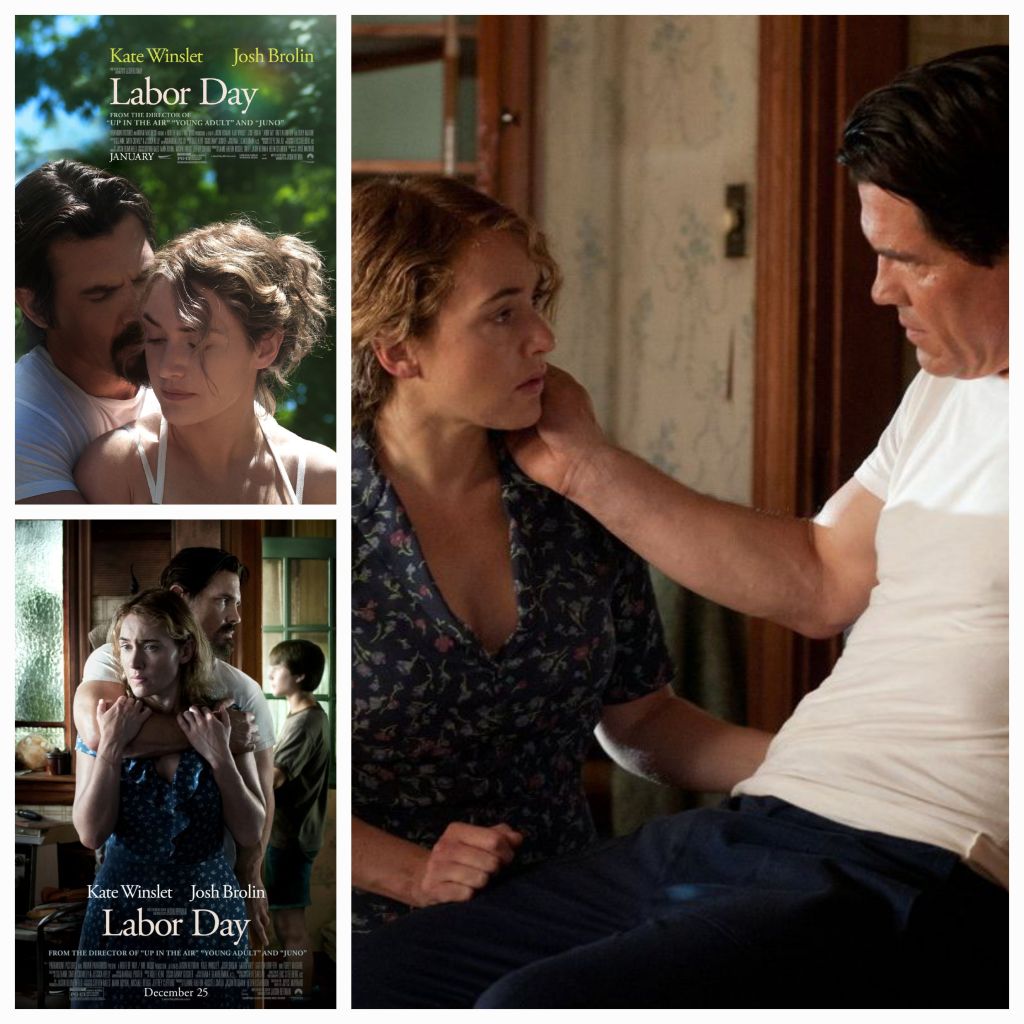
In the end, Labor Day is a film about second chances — not just for Adele and Frank, but for Henry as well, as he witnesses the possibility of love returning to his mother’s life and the hope that their small family might find happiness once more. Reitman has crafted a story that is tender, poignant, and ultimately hopeful. It’s a film that asks its viewers to reflect on the nature of love, forgiveness, and the ways in which broken people can help each other heal. It might not be a perfect film, but its heart is in the right place, and for those who are willing to embrace its slow, measured pace, Labor Day offers a quietly moving cinematic experience.
#LaborDayMovie #JasonReitman #KateWinslet #JoshBrolin #JoyceMaynard #MovieReviews #FilmCriticism #RomanticDrama #MovieLovers #CinematicStorytelling

 Poetry Hub
Hello. Thanks for visiting. I’d love to hear your thoughts! What resonated with you in this piece? Drop a comment below and let’s start a conversation.