Horror Movies Can Be Strangely Comforting, Even to Someone Suffering from Anxiety
It may seem counterintuitive, but many people suffering from anxiety find solace in horror movies. On the surface, horror films—with their eerie soundtracks, jump scares, and sinister plotlines—seem like the last thing someone prone to nervousness would turn to for comfort. But surprisingly, for some individuals, this genre offers an unexpected source of relief. The controlled terror, suspenseful storytelling, and catharsis that horror movies provide can make them uniquely appealing, even to those who struggle with anxiety. This article will dive deep into why horror films are comforting for anxious individuals, examining the psychological, emotional, and even physiological aspects that contribute to this strange but fascinating phenomenon.
The Paradox of Comforting Fear
To understand why horror movies can be comforting to someone with anxiety, we need to first explore the paradox of fear itself. Fear is a primal emotion, hardwired into human beings as part of the survival instinct. It’s designed to keep us safe by triggering the fight-or-flight response in dangerous situations. However, fear is not always detrimental; in certain contexts, experiencing fear can be pleasurable or therapeutic. That’s where horror movies come into play.
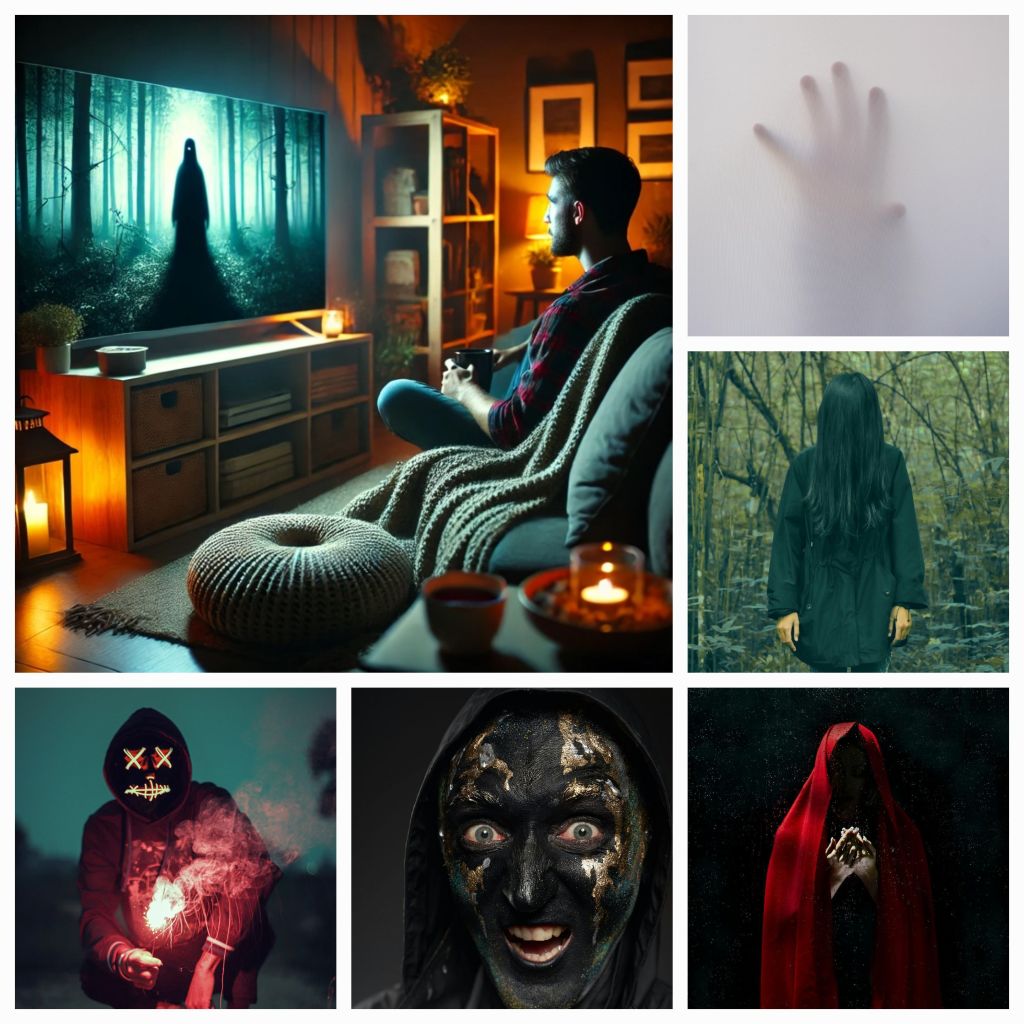
When you watch a horror movie, you are immersing yourself in a controlled environment where the danger is fictional. You’re not truly in harm’s way, but your brain still gets to experience the thrill of fear. For many individuals with anxiety, real-life fears and worries can feel overwhelming and out of control. In contrast, horror movies offer a controlled environment in which fear is temporary and predictable. You know that no matter how terrifying the situation gets on screen, it will eventually resolve itself. The knowledge that the fear is contained within the boundaries of the movie offers a sense of safety, which can be comforting.
Escaping Real-Life Anxiety
One of the most significant reasons horror films can be soothing to people with anxiety is that they provide an escape from real-world worries. Life with anxiety can feel like a constant barrage of stressors and overthinking. Whether it’s about work, relationships, health, or a never-ending list of ‘what-ifs,’ anxiety can create an ongoing cycle of fear that’s hard to break.
Horror movies offer an effective distraction from these anxieties. When you watch a horror film, your attention is consumed by the tension and suspense playing out on screen. The film’s scares, twists, and terrifying moments occupy your mind, leaving little room for the intrusive thoughts that often accompany anxiety. In this sense, horror becomes a kind of mental vacation, allowing viewers to focus on something other than their own worries.
Some people with anxiety describe this experience as a form of temporary relief or release. By watching characters face terrifying situations—often more horrifying than anything they might encounter in their own lives—viewers may find that their own problems seem smaller and more manageable. The externalization of fear in the form of monsters, ghosts, or killers can offer a kind of distance from internal fears, creating a psychological buffer.
Catharsis and Emotional Release
Horror films are also cathartic. Catharsis, in psychological terms, refers to the process of releasing and thereby providing relief from strong or repressed emotions. When you watch a horror movie, your body reacts physiologically. Your heart rate increases, adrenaline surges, and you may even feel a knot in your stomach. These reactions mirror the body’s natural response to fear and stress, but since the threat is fictional, there’s a sense of release when the movie ends.
For people with anxiety, who may struggle with bottled-up emotions, this cathartic release can be therapeutic. Horror movies allow you to confront feelings of fear, dread, and panic in a safe and controlled way. By the time the credits roll, there’s often a sense of relief that accompanies the end of the film. The tension that built up throughout the movie dissipates, leaving a feeling of calm or even euphoria. For many, this emotional rollercoaster can feel cleansing.
In some ways, horror movies can mimic the process of exposure therapy, which is used to treat anxiety disorders. In exposure therapy, individuals are gradually exposed to the things they fear in order to reduce their anxiety responses over time. While watching horror movies isn’t the same as clinical exposure therapy, it can serve a similar function for some viewers. By repeatedly facing scary situations in movies, people may become desensitized to fear or better equipped to handle feelings of anxiety in their daily lives.
Horror as a Safe Exploration of Fears
Another compelling reason why horror movies can be comforting to those with anxiety is that they offer a space to explore deep-seated fears in a non-threatening way. Everyone has fears, but for people with anxiety, those fears can feel overwhelming or irrational. Horror movies take these fears—whether they’re about death, the unknown, or personal safety—and externalize them, often in exaggerated or fantastical ways.
Watching a horror movie allows anxious individuals to confront these themes without the risk of harm. Monsters, demons, and serial killers may represent our innermost fears, but they’re contained within the movie. This externalization makes it easier to process fear. In fact, many horror movies follow a predictable structure: tension builds, danger escalates, but in the end, the threat is vanquished, and order is restored. For someone who lives with constant anxiety, this narrative of overcoming terror can be deeply reassuring.
This controlled exploration of fear can also help individuals develop resilience. When you watch characters in a horror movie face unimaginable horrors and survive (or even when they don’t), it can provide a sense of empowerment. If those fictional characters can face their fears, maybe you can, too. Horror movies often have underlying messages about survival, perseverance, and facing one’s demons, which can resonate with viewers dealing with real-life anxiety.
The Social Aspect: Watching Horror with Others
Another reason horror films can be comforting is their social aspect. Watching a scary movie with friends or loved ones provides a shared experience that can be both bonding and reassuring. Many people find that the collective tension, laughter, and relief that come from watching a horror film together create a sense of camaraderie. For someone with anxiety, being in the company of others while watching a horror film can mitigate feelings of isolation or fear.
Horror movies often lead to discussions after the fact, whether it’s dissecting the plot, debating character decisions, or sharing personal fears. These conversations can offer a way to process not only the movie but also deeper anxieties that the film might have stirred. Sharing fears in a lighthearted or analytical context with others can help reduce the intensity of those emotions. It can make fear feel more manageable when it’s discussed openly, especially when everyone else has shared the same experience.
The Adrenaline Rush and Dopamine Release
From a physiological standpoint, watching horror movies can also trigger the release of dopamine, a neurotransmitter associated with pleasure and reward. The adrenaline rush that accompanies scary scenes can heighten dopamine production, which creates a feeling of excitement or thrill. This “adrenaline high” can be addictive for some people, offering a temporary reprieve from the chronic feelings of dread associated with anxiety.
Interestingly, some research suggests that people with anxiety might be more sensitive to the effects of dopamine, making the experience of watching horror films even more pleasurable. The combination of adrenaline, dopamine, and the eventual resolution of fear can create a kind of emotional and chemical reset, leaving viewers feeling better after the movie ends.
Conclusion: Finding Comfort in the Unlikely
While horror movies may not be the first thing that comes to mind when you think of comfort, they offer a unique form of relief for many individuals with anxiety. By providing a controlled environment for fear, allowing for emotional release, and offering a mental escape from real-world worries, horror films can act as a form of unconventional therapy. The paradox of finding comfort in fear is one that makes sense when examined closely: horror movies externalize internal fears, offer catharsis, and allow viewers to confront anxiety in a safe and structured way.
For those suffering from anxiety, the world of horror can become a refuge—one where the monsters are real, but the danger is not.
#AnxietyRelief #HorrorMovies #MentalHealth #CopingWithAnxiety #PsychologicalBenefits #Catharsis #FearAndAnxiety #HorrorTherapy #MovieTherapy #EmotionalHealing

 Poetry Hub
Hello. Thanks for visiting. I’d love to hear your thoughts! What resonated with you in this piece? Drop a comment below and let’s start a conversation.