The Fight for Survival: Restoring the Yellow Iguana Population at Cartago Bay
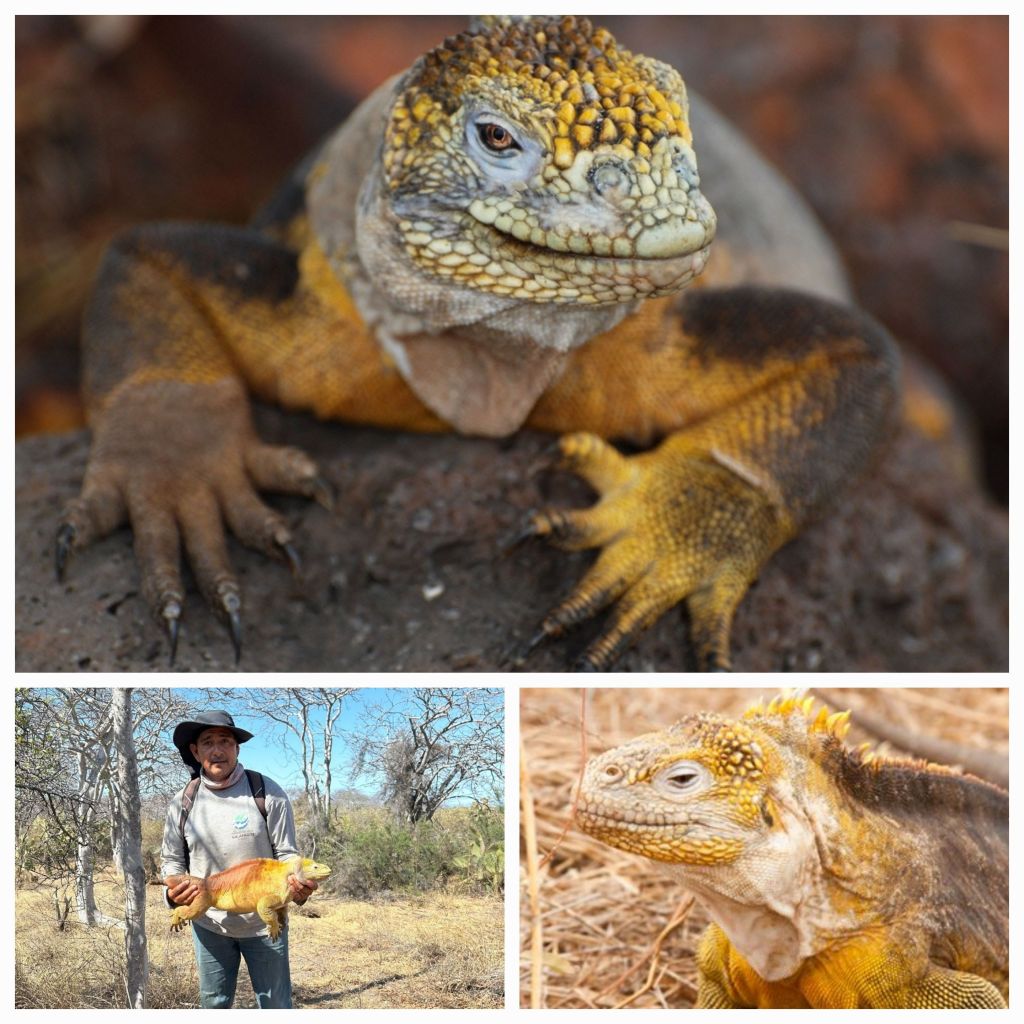
Cartago Bay on Isabela Island, part of the world-renowned Galápagos archipelago, is a place where nature’s delicate balance has always been paramount. The unique species that inhabit these islands, many of which are found nowhere else on Earth, have thrived in isolation for millennia, evolving into creatures that have become iconic symbols of the islands’ biodiversity. However, the introduction of invasive species, particularly by humans, has disrupted this fragile ecosystem. One of the most profound impacts has been felt by the yellow iguanas of Cartago Bay, whose survival has been gravely threatened by invasive predators.
The Rise of Invasive Species: A Dark Chapter
The Galápagos Islands are often described as a “living laboratory” of evolution. Their isolation from the mainland allowed species to evolve in relative safety. However, human activity in the 19th and 20th centuries, including the arrival of sailors, explorers, and settlers, changed the islands’ dynamics dramatically. With humans came invasive species: rats, goats, cats, and perhaps most notably, feral dogs. These animals, unfamiliar to the islands’ native species, began wreaking havoc on the local fauna. The yellow iguana, a striking reptile with vibrant scales and a unique ecological role, became one of the most notable victims of this invasion.
By the 1980s, feral dogs had taken a significant toll on the population of yellow iguanas. The species, already confined to limited habitats, found itself under relentless attack. These feral dogs, aggressive and unchecked, hunted the iguanas for food, pushing the once-thriving population to the brink of extinction. The scenario at Cartago Bay was dire. The iguanas, slow-moving and defenseless against the feral dogs, saw their numbers dwindle at an alarming rate. With no natural defense mechanism against these predators, their chances of survival seemed slim.
The Galápagos National Park Directorate Steps In
As the population of yellow iguanas teetered on the edge of oblivion, the Galápagos National Park Directorate (GNPD) took decisive action. Recognizing the need for urgent intervention, the Directorate launched a comprehensive plan to eradicate invasive species from Cartago Bay, particularly targeting the feral dogs that had decimated the iguana population.
The eradication of feral dogs was no small feat. It required a combination of techniques, including trapping, hunting, and the use of poison, to ensure that the feral population was completely removed from the area. This effort was not without controversy, as animal rights activists raised concerns about the methods used. However, the GNPD emphasized that the survival of native species, like the yellow iguana, depended on the removal of these invasive predators. The eradication program, while challenging, was ultimately successful, providing a much-needed reprieve for the yellow iguana population.
Establishing the Iguana Breeding Program
Eradicating the threat of feral dogs was only the first step in ensuring the survival of the yellow iguana. The population had been reduced to such low numbers that natural recovery was unlikely without human intervention. To address this, the GNPD established an iguana breeding program, with the goal of restoring the yellow iguana population to its former strength.
The breeding program was a carefully orchestrated effort. Biologists and conservationists worked together to capture the remaining yellow iguanas and bring them into a controlled environment where they could breed safely, without the threat of predators. The program also focused on ensuring genetic diversity, which is crucial for the long-term health of any species. By carefully managing the breeding pairs, the GNPD was able to increase the population while maintaining a healthy gene pool.
Once the iguanas reached a certain age and size, they were reintroduced into their natural habitat at Cartago Bay. This process, known as head-starting, involves raising juvenile animals in captivity until they are large enough to survive in the wild. For the yellow iguanas, this meant keeping them in the breeding center until they were too large to be easily preyed upon by other invasive species, such as rats.
Reintroduction and Recovery
By the early 2000s, the iguana breeding program had achieved remarkable success. Over 500 juvenile yellow iguanas were reintroduced into the wild at Cartago Bay. This reintroduction marked a significant milestone in the conservation of the species. It was not just a triumph for the yellow iguanas, but also a symbol of hope for other endangered species in the Galápagos that face similar threats.
The reintroduced iguanas quickly adapted to their new (or rather, reclaimed) home. Conservationists closely monitored the population, tracking their movements, behavior, and interactions with the environment. The yellow iguanas, known for their territorial behavior and specific ecological niche, began to repopulate areas that had once been devastated by feral dogs.
The recovery of the yellow iguana population at Cartago Bay is an ongoing process, and the GNPD continues to monitor the area for any signs of new invasive threats. The success of the breeding and reintroduction program has provided valuable insights into how conservation efforts can be tailored to address the challenges posed by invasive species.
The Role of the Yellow Iguana in the Ecosystem
The yellow iguana is more than just a symbol of the Galápagos Islands; it plays a crucial role in the local ecosystem. As herbivores, yellow iguanas help to control the growth of certain plant species, particularly cacti, which are abundant in their habitat. By consuming plant material, the iguanas help to maintain a balance in the vegetation, which in turn supports other species, both plant and animal.
Moreover, the iguanas serve as prey for some native predators, although their natural predators are far less destructive than the invasive species that have plagued the islands. By restoring the yellow iguana population, the GNPD has not only saved a species from extinction but has also helped to restore the ecological balance of Cartago Bay.
Challenges and Future Conservation Efforts
While the recovery of the yellow iguanas at Cartago Bay is a significant achievement, it is far from the end of the story. The ongoing threat of invasive species remains a constant challenge for conservationists in the Galápagos. In addition to feral dogs, other invasive species, such as rats and cats, continue to pose risks to native wildlife. The GNPD is actively working to manage these threats through a combination of eradication programs, habitat restoration, and public education efforts.
The success of the yellow iguana breeding program has also highlighted the importance of captive breeding and reintroduction as a tool for conservation. As climate change and human activity continue to impact ecosystems around the world, these techniques may become increasingly important in the fight to preserve biodiversity.
A Lesson in Conservation
The story of the yellow iguanas at Cartago Bay is a powerful reminder of the impact that invasive species can have on native wildlife, and the lengths to which humans must go to correct the imbalances that we have created. It is also a testament to the resilience of nature and the ability of species to recover when given the chance.
Through the combined efforts of the GNPD and conservationists around the world, the yellow iguanas of Cartago Bay have been given a second chance at survival. Their recovery is not just a victory for one species, but a beacon of hope for the conservation of biodiversity in the Galápagos and beyond.
As we look to the future, the lessons learned from Cartago Bay can serve as a guide for other conservation efforts. By addressing the root causes of ecological decline, removing invasive species, and supporting the recovery of endangered wildlife, we can help to ensure that the rich biodiversity of places like the Galápagos will continue to thrive for generations to come.
Conclusion: The Enduring Legacy of the Yellow Iguanas
The journey of the yellow iguanas from near extinction to recovery is an inspiring narrative of resilience, collaboration, and determination. The eradication of invasive species and the success of the breeding program stand as milestones in conservation history. As Cartago Bay slowly returns to its former glory, the yellow iguanas once again bask in the sun, a testament to the tireless efforts of those who fought to save them.
The road ahead may still present challenges, but the legacy of this recovery program offers hope for other species facing similar threats worldwide. The story of the yellow iguanas is a call to action, reminding us of the impact humans can have on ecosystems, both destructive and restorative, and the crucial role all relevant individuals and agencies have to play in preserving this natural world for our future generations.
#GalapagosConservation #YellowIguanas #WildlifeRestoration #InvasiveSpeciesControl #CartagoBay #IsabelaIsland #EcosystemRecovery #IguanaBreedingProgram #BiodiversityProtection #EndangeredSpecies

 Poetry Hub
Hello. Thanks for visiting. I’d love to hear your thoughts! What resonated with you in this piece? Drop a comment below and let’s start a conversation.