The Restless Gun: A Deep Dive into a Forgotten Western Gem
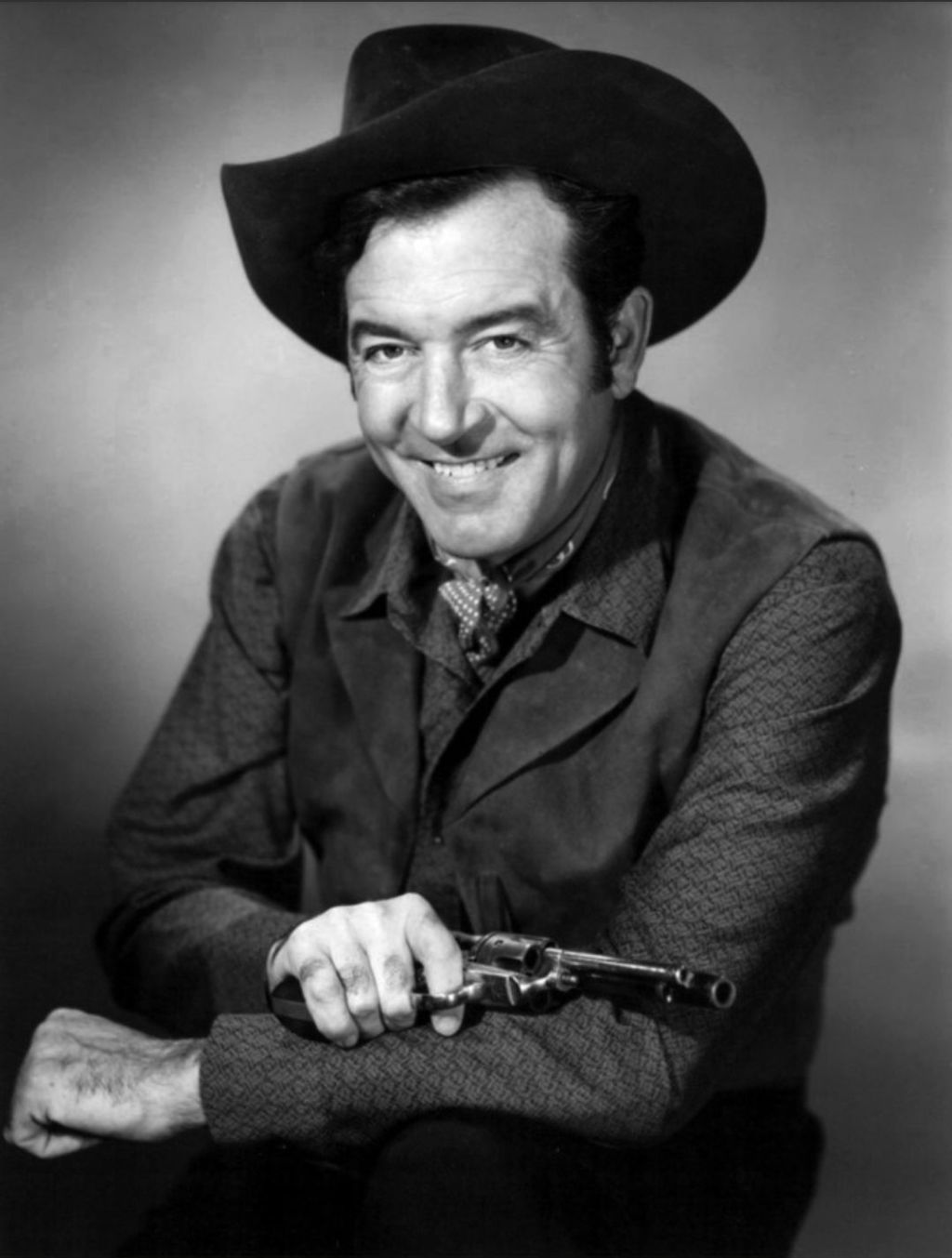
In the late 1950s, The Restless Gun rode onto television screens during a time when Westerns dominated the airwaves. Starring John Payne as Vint Bonner, a drifter and former Confederate soldier, the series aired from 1957 to 1959, producing a respectable 78 episodes. While it may not have achieved the long-lasting fame of some of its contemporaries like Gunsmoke or Bonanza, The Restless Gun holds a unique place in the Western genre with its reflective storytelling, charismatic lead, and a distinct departure from the typical lawman or outlaw trope that defined many Western series.
A Different Kind of Western Hero
What sets The Restless Gun apart is its protagonist, Vint Bonner. Rather than playing a typical sheriff or outlaw, Bonner is a drifter, a loner haunted by his past as a Confederate soldier. He wanders from town to town, reluctant to settle down or take a permanent role of authority, yet compelled to help those in need. This wandering spirit makes him a complex figure, unlike the cut-and-dried heroes often seen in Westerns of that era.
Bonner is not a man in search of trouble, nor is he looking to become a hero. In fact, he is often reluctant to get involved in the conflicts that arise around him. Yet, as is typical of Western mythology, trouble has a way of finding him. What makes him stand out is his sense of honor and his thoughtful approach to each situation. He doesn’t rely solely on his gun to resolve conflicts; instead, he often tries to find peaceful solutions, using his intellect as much as his weapon. This subtle but important distinction makes him a more human and relatable character than many of the archetypal Western heroes.
The Themes of Restlessness and Redemption
One of the most compelling aspects of The Restless Gun is its recurring theme of restlessness, which is embodied not only in Bonner’s nomadic lifestyle but also in his internal struggles. Throughout the series, viewers see that Bonner is a man seeking redemption for his past actions, particularly those from the Civil War. His restlessness is not just physical but emotional, as he grapples with guilt, loss, and the desire to make things right. Unlike the clean-cut heroes who ride into town and solve problems with a quick draw, Bonner’s journey is about finding peace within himself, a concept that resonates even in today’s television landscape.
The show cleverly uses Bonner’s physical wanderings to symbolize this emotional turmoil. He’s a man constantly on the move, never settling, always looking for something that seems just out of reach. This mirrors the internal restlessness that many people experience, whether in 1950s America or the present day, giving the series a timeless quality.
John Payne’s Performance
John Payne, best known for his roles in musicals and romantic comedies, may have seemed an unusual choice to lead a Western series. However, Payne brought a quiet strength and maturity to the role of Vint Bonner, which elevated The Restless Gun beyond typical Western fare. His nuanced performance is one of the key reasons the show has maintained a loyal, albeit small, fan base over the years.
Payne’s portrayal of Bonner is understated and introspective, relying more on subtle facial expressions and body language than on grand, heroic gestures. He exudes a sense of weariness, fitting perfectly with the theme of restlessness that runs through the series. Payne’s experience in film certainly shines through in the more emotional and dramatic moments of the show, allowing the audience to connect with Bonner on a deeper level.
A Focus on Morality and Ethics
Unlike many Westerns, which often glorified violence and retribution, The Restless Gun frequently explored the moral and ethical dimensions of Bonner’s actions. Each episode presented Bonner with a moral dilemma, often forcing him to choose between violence and diplomacy, justice and vengeance. This focus on ethical ambiguity set the show apart from more straightforward Westerns, where the lines between good and evil were clearly drawn.
Episodes such as “The Outlander” and “Cheyenne Express” highlighted these moral quandaries, presenting Bonner with challenges that could not be resolved simply by shooting the villain. In many instances, Bonner’s reluctance to use his gun was at the heart of the conflict, and it was his sense of responsibility that led him to intervene, even when he would have preferred to remain neutral. This exploration of morality made The Restless Gun more thought-provoking than many of its contemporaries.
Episodic Structure and Variety
The episodic nature of The Restless Gun allowed for a wide range of stories, from traditional shootouts and cattle rustling to more intimate character studies. The show’s writers took advantage of Bonner’s drifter persona, using his travels to introduce new settings, characters, and moral dilemmas in each episode. This variety kept the show fresh and unpredictable, as viewers never knew what kind of town Bonner would wander into or what kind of trouble he would encounter next.
One standout episode, “The Dead Ringer,” features Bonner confronting a lookalike who has been using his identity to commit crimes. This clever twist on the doppelgänger trope showcases the show’s willingness to experiment with storytelling conventions, something that was rare in the more formulaic Westerns of the time.
Production Values and Cinematography
For a television series produced in the late 1950s, The Restless Gun had solid production values. While it didn’t have the sweeping vistas or big-budget cinematography of shows like The Rifleman or Bonanza, it still managed to capture the desolate beauty of the American West. The use of outdoor locations added authenticity, and the show’s directors made good use of the landscapes to emphasize the isolation and vastness that mirrored Bonner’s internal struggle.
The black-and-white cinematography also lent a certain starkness to the show, enhancing the themes of solitude and moral ambiguity. The visual tone of the show often complemented its more serious and introspective moments, giving The Restless Gun a more somber atmosphere than many of its contemporaries.
Legacy and Cultural Impact
While The Restless Gun never achieved the iconic status of Gunsmoke or Bonanza, it has maintained a cult following among Western enthusiasts. Its more philosophical and introspective approach to the genre set it apart from the action-driven Westerns that were prevalent at the time, and its themes of restlessness and moral ambiguity remain relevant today.
The show’s focus on personal redemption, ethical dilemmas, and the internal struggles of its hero have influenced later Westerns, particularly those of the revisionist Western genre that emerged in the 1970s. Films like Unforgiven and The Outlaw Josey Wales owe a debt to the groundwork laid by series like The Restless Gun, which dared to explore the psychological and moral complexities of life in the Old West.
Conclusion: A Forgotten Classic
The Restless Gun may not be the most well-known or celebrated Western series, but its unique approach to the genre and the quietly powerful performance of John Payne make it a standout in the crowded field of 1950s television Westerns. Its themes of restlessness, redemption, and moral ambiguity give it a timeless quality that resonates even today, and its focus on the internal struggles of its hero sets it apart from the more action-oriented Westerns of its era.

For fans of Westerns looking for something a little different, The Restless Gun is well worth revisiting. Its blend of thought-provoking storytelling, strong performances, and moral complexity make it a hidden gem in the Western genre, deserving of more recognition than it has received. In a world where the lines between good and evil are rarely clear-cut, The Restless Gun offers a refreshing take on the complexities of life in the Old West, one that continues to echo through the annals of television history.
#TheRestlessGun #JohnPayne #WesternTVShows #ClassicTelevision #1950sWestern #ForgottenTVGems #TVHistory #WesternGenre #UnderratedWesterns

 Poetry Hub
Hello. Thanks for visiting. I’d love to hear your thoughts! What resonated with you in this piece? Drop a comment below and let’s start a conversation.