Restless Souls: A Deep Dive into the Lives of Those Caught Between Worlds
Introduction: The Concept of Restlessness
The term “restless souls” evokes a myriad of interpretations, conjuring images of those who wander the earth without peace. It transcends mere physical restlessness; it delves into the emotional and spiritual dimensions of existence. In literature, art, and cultural narratives, restless souls signify those caught in the web of unresolved conflicts, unfulfilled dreams, and the constant pursuit of meaning. They represent a fundamental human experience: the longing for connection, understanding, and resolution in a world that often feels chaotic and unpredictable.
The Historical Perspective: Restlessness Through the Ages
Historically, the notion of restless souls has been present in various cultures and philosophies. Ancient mythologies often depicted souls trapped in a liminal space, yearning for resolution. In Greek mythology, for instance, restless souls like the shades of the deceased were said to wander the underworld, unable to find peace until their unresolved matters on earth were addressed.
Similarly, in various spiritual beliefs, the concept of purgatory suggests that some souls must endure a period of unrest before ascending to a higher state of existence. This understanding resonates with many individuals today, as they grapple with personal and collective struggles that leave them feeling unanchored in life.
Literature and the Archetype of the Restless Soul
Throughout literary history, the restless soul has emerged as a powerful archetype. Writers such as Fyodor Dostoevsky, Virginia Woolf, and Franz Kafka have explored the complexities of human emotion, showcasing characters whose internal conflicts render them perpetually uneasy.
In Dostoevsky’s Notes from Underground, the unnamed narrator embodies restlessness, oscillating between self-loathing and a desperate desire for connection. His struggles reflect the broader existential questions that resonate with readers across generations. Similarly, Woolf’s characters often navigate the turbulent waters of societal expectations and personal identity, capturing the essence of a restless spirit yearning for fulfillment amidst the constraints of time and tradition.
The Psychological Dimensions of Restlessness
From a psychological perspective, restlessness can manifest in various forms, including anxiety, dissatisfaction, and a sense of incompleteness. It often arises from a disconnect between one’s desires and reality, leading to feelings of discontent. This disconnect can stem from a multitude of factors, such as unfulfilled aspirations, traumatic experiences, or societal pressures.
The phenomenon of “restless leg syndrome” (RLS) exemplifies how restlessness can take a physical form, impacting individuals’ daily lives. However, the emotional and psychological dimensions of restlessness are equally significant, often requiring introspection and self-discovery to address underlying issues.
The Modern-Day Restless Soul: A Reflection of Society
In today’s fast-paced world, the prevalence of restless souls is more pronounced than ever. The demands of modern life, coupled with the constant influx of information and stimulation, can leave individuals feeling disconnected and unfulfilled. The rise of technology has created a paradox of connection and isolation, where social media often fosters a sense of inadequacy, perpetuating the restless spirit.
Many individuals find themselves caught in the cycle of comparison, striving for validation through external means while neglecting their internal needs. The quest for happiness and fulfillment becomes an elusive goal, leading to a collective sense of restlessness that permeates society.
Seeking Resolution: The Journey of the Restless Soul
Despite the struggles associated with being a restless soul, there exists a profound potential for growth and transformation. The journey of self-discovery can lead to moments of clarity and purpose, allowing individuals to confront their restlessness head-on.
Engaging in practices such as mindfulness, therapy, and creative expression can facilitate this process. Mindfulness encourages individuals to remain present, fostering a deeper understanding of their emotions and desires. Therapy provides a safe space to explore the root causes of restlessness, enabling individuals to gain insight and develop coping strategies.
Creative outlets, such as writing, painting, or music, allow restless souls to channel their emotions into tangible forms of expression. This cathartic process can lead to a sense of relief and clarity, transforming restlessness into a powerful source of inspiration.
The Restless Soul in Art and Culture
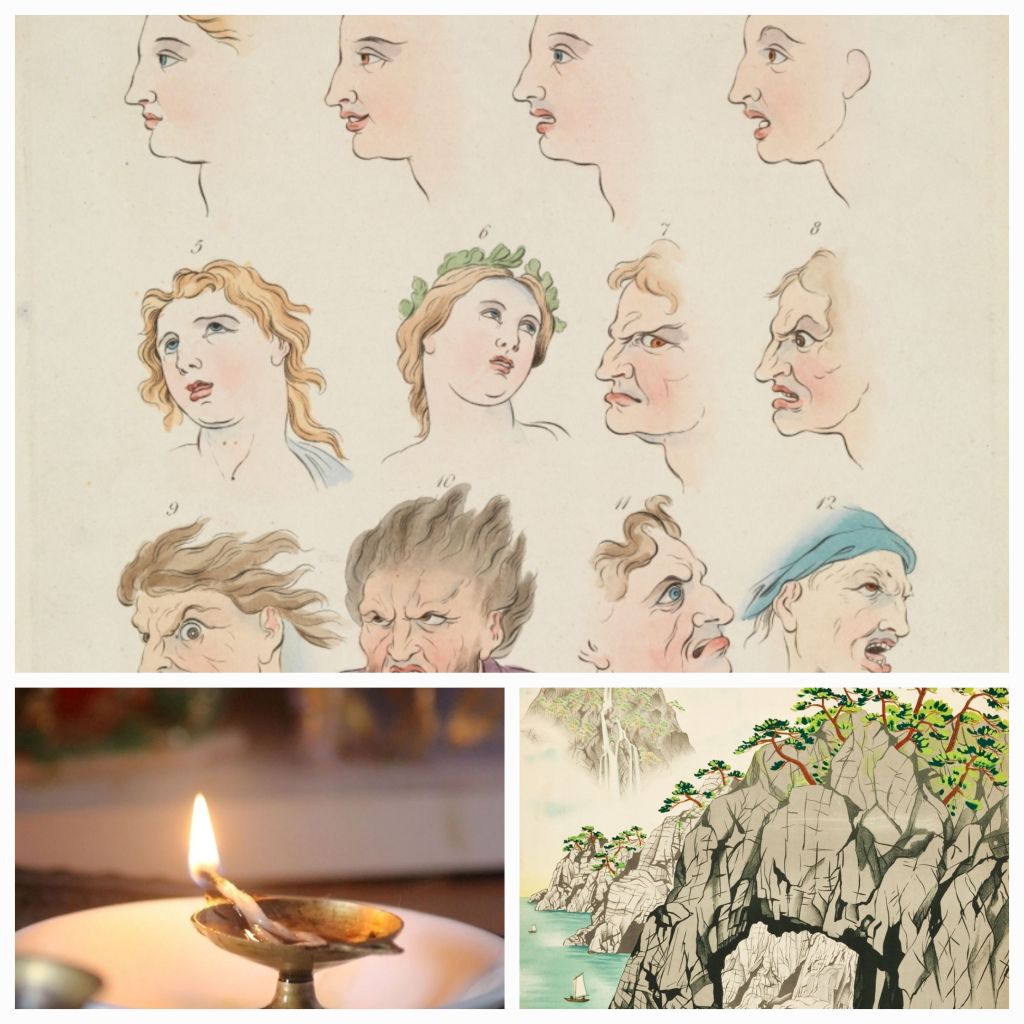
Art has long served as a vehicle for expressing the complexities of the restless soul. Artists from various disciplines have captured the essence of human emotion, using their craft to communicate feelings of longing, discontent, and the search for meaning.
In visual arts, painters like Edvard Munch and Vincent van Gogh explored themes of isolation and existential angst, embodying the restless spirit in their works. Munch’s The Scream epitomizes the turmoil of the human experience, while van Gogh’s vivid brushstrokes convey both beauty and despair.
Similarly, in music, composers like Gustav Mahler and Igor Stravinsky have encapsulated the essence of restlessness through their compositions. Mahler’s symphonies often reflect the inner struggles of the human psyche, while Stravinsky’s innovative rhythms challenge traditional notions of harmony, echoing the chaos inherent in the restless soul.
Conclusion: Embracing the Journey of Restlessness
In essence, being a restless soul is not merely a state of discomfort; it is a profound journey of exploration, growth, and self-discovery. While the struggles associated with restlessness can be overwhelming, they also present opportunities for transformation and connection.
By acknowledging and embracing the complexities of restlessness, individuals can navigate their emotional landscapes with grace and resilience. In doing so, they can transform their experiences into powerful narratives that resonate with others, fostering a sense of shared understanding and compassion.
Ultimately, the restless soul is a testament to the human experience—one that is marked by the interplay of longing, love, and the relentless pursuit of meaning in an ever-changing world. As we continue to explore the depths of our emotions, we find that restlessness is not a burden to bear, but a catalyst for growth and connection in the journey of life.
#RestlessSouls #EmotionalJourney #SpiritualGrowth #HumanExperience #Mindfulness #SelfDiscovery #ArtisticExpression #CulturalPerspectives #Psychology #Literature

 Poetry Hub
Hello. Thanks for visiting. I’d love to hear your thoughts! What resonated with you in this piece? Drop a comment below and let’s start a conversation.