I am not here to preach nostalgia, but there’s something hauntingly real about slipping a K7 cassette into a player and pressing play—this physical, irreversible act of setting sound waves in motion that contrasts so sharply with the sterilized, pixelated scroll through streaming apps. I recently stumbled into the strange, magnetic world of cassettes again, and it was as if I’d been transported to another universe, a place where music wasn’t merely heard but felt. K7 tapes, these resilient rectangles, carry a warmth—a sonic soul that’s glaringly absent in the crystalline chill of digital streaming.
Imagine this: you’re sitting in your favorite chair, a tape in hand. The label’s slightly faded, maybe hand-labeled. You slide it in, hear the familiar mechanical click, and then… the hiss, the crackle, the first seconds that are so much more than mere introduction. It’s like the music is clawing its way out, forced through layers of time, space, and the delicate nuances of magnetic tape. That hiss, that grain, that imperfect crackle—it’s delicious. It’s a texture, an atmosphere that digital music, with all its unrelenting precision, will never be able to replicate. Streaming music is flawless, but it’s also flat; it doesn’t breathe, doesn’t bleed. That tiny bit of metallic resonance in streaming, the antiseptic polish—it’s a cold shower next to the bath of fire that analog brings. Vinyl comes close, but even vinyl has polished its surface to fit into our digital-hybrid world. Cassettes, though, they are raw and unapologetic.
The music industry today is fast, disposable, brutal—a conveyor belt designed to pump out hits like processed food, engineered for quick consumption. In contrast, when you press play on a cassette, you’re not just listening to sound; you’re unearthing a relic, a piece of artistry frozen in time. I think we underestimate how profoundly music as a culture has shifted. There was a time when music was a ritualistic act: putting on a tape or a record meant you were ready to dive into another world, where every detail had weight, every sound had substance. The shift from physical to digital has turned music into background noise, a constant stream that’s as easily consumed as it is ignored. I can’t help but wonder: Are we experiencing music, or are we simply letting it wash over us, like white noise?
Streaming music, with its endless library at our fingertips, brings everything to us but somehow misses the mark. It lacks the devotion, the loyalty demanded by cassettes and vinyl, the very materials that music used to inhabit. With K7 tapes, there’s no skipping ahead, no shuffling through to your favorite parts. You listen to the whole album, start to finish. You follow the artist’s journey in the order they intended, respecting the path they carved out in sound. Streaming tries to force-feed us the highlights, the hits, the algorithmically selected “best parts,” but K7 tapes? They demand patience, attention, reverence. Listening to a K7 tape feels like sitting down with an artist and hearing them tell a story—one that’s messy, imperfect, and laced with secrets that only reveal themselves after you’ve spent time with them.
The texture of sound on a cassette is what stands out the most for me, though. Each note feels like it’s wrapped in layers, rich and unpolished. Compare this to streaming, where music is compressed and stripped down, a flattened version of what it could be. It’s like the difference between reading poetry on a backlit screen and holding a worn-out, dog-eared book in your hands. There’s a visceral satisfaction that digital cannot replicate, a satisfaction that comes from knowing that this sound has weight, that it lives somewhere other than the cloud.
And then there’s the rebelliousness of it all—the way cassettes rebel against the throwaway culture of streaming. K7 tapes were born in a time when music wasn’t a product but a phenomenon. Today, streaming platforms treat music as content, a commodity shaped by market forces and algorithms, each song optimized to be catchy, clickable, to pull you into a spiral of endless listening. But the cassette tape? It stands as an artifact, a defiant refusal to conform. When I listen to a cassette, I feel like I’m rebelling too, taking back a piece of music culture that streaming and the industry have co-opted.
And yes, I’m aware of the arguments—cassettes degrade, they wear out, they’re prone to breaking. But isn’t that part of the appeal? In a world that worships the digital, the indestructible, I find comfort in the fragility of cassettes. There’s beauty in their mortality, a reminder that music, like all things, is temporary and precious. A cassette demands care. It asks you to rewind it, to pay attention, to listen before it slips away.
The mainstream music industry has become increasingly sanitized, controlled, and, dare I say, soulless. We have algorithms dictating what’s popular, data-driven playlists optimized for the lowest common denominator. K7 tapes bring back the chaos, the unpredictability, the rawness that made music feel alive. There’s no algorithm here; there’s only sound and the machinery that plays it. When you listen to a cassette, you’re listening to music in its raw form, stripped of all the bells and whistles, free from the tyranny of auto-play and machine-curated playlists.
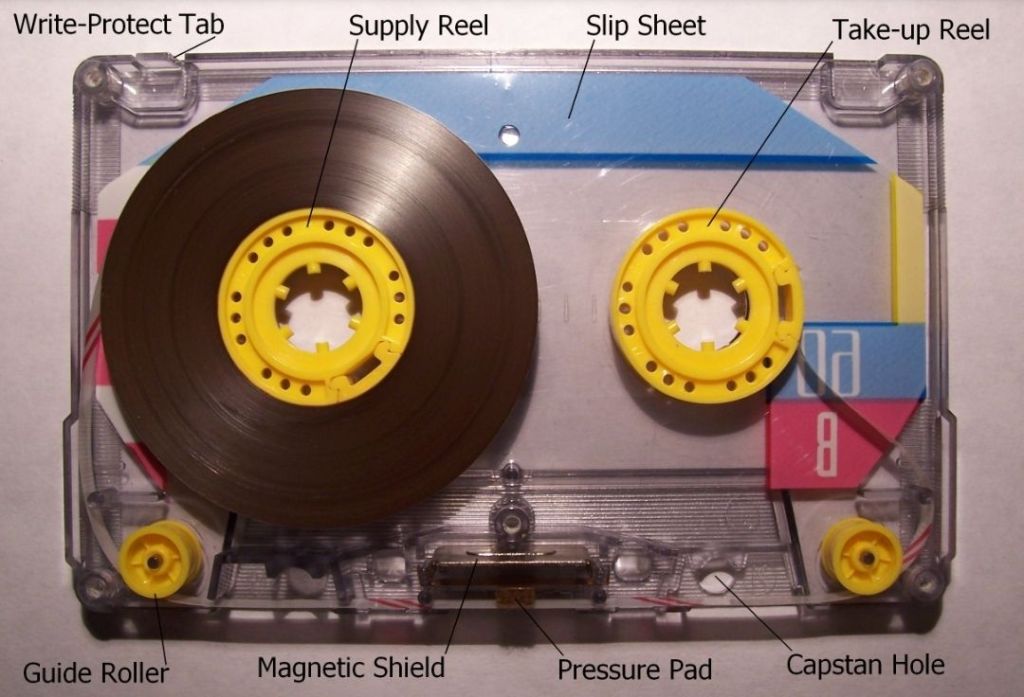
So, what do I think of streaming versus tapes? Streaming is convenient, sure. It’s got everything you could want at your fingertips. But tapes? Tapes have everything you didn’t know you needed. They make music feel whole again, messy and glorious and alive.
#K7Tapes #AnalogSound #CassetteRevival #StreamingVsAnalog #MusicNostalgia #VinylRecords #RealMusicExperience #RawAuthenticity #MusicCulture #SoundQuality

 Poetry Hub
Hello. Thanks for visiting. I’d love to hear your thoughts! What resonated with you in this piece? Drop a comment below and let’s start a conversation.