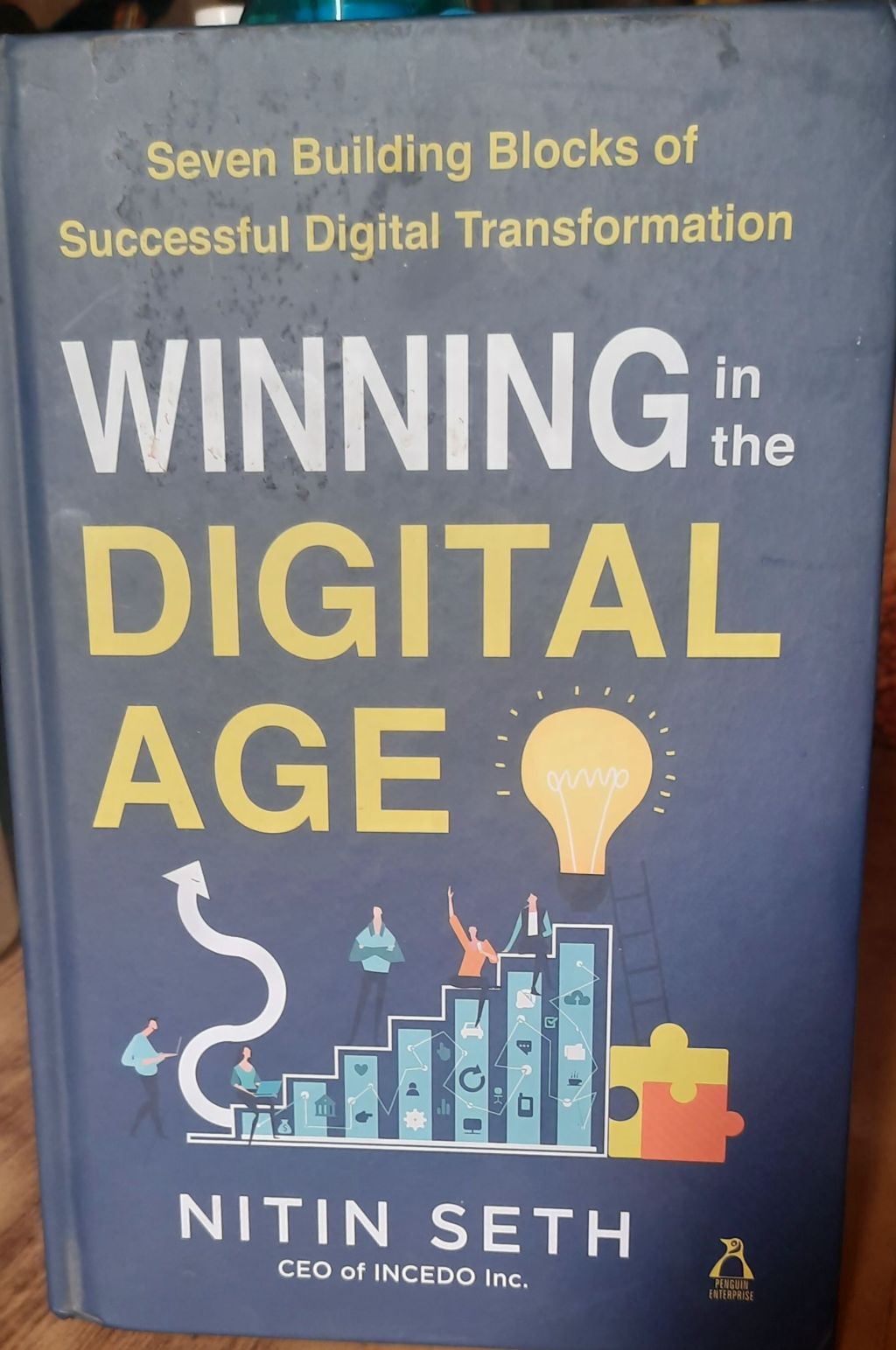
As I sat down to immerse myself in “Winning in the Digital Age: Seven Building Blocks of a Successful Digital Transformation” by Nitin Seth, I found myself stepping into a world where complexity meets clarity, where ambiguity meets precision, and where the frenetic pace of the digital age is transformed into an orderly map for success. Having spent over 25 years navigating the labyrinth of leadership at some of the world’s most influential companies—McKinsey, Fidelity, Flipkart, and Incedo—Seth offers more than a book; he offers a compass for those trying to steer through the seismic shifts of our times.
Reading this book felt akin to embarking on a journey—an expedition through the dizzying heights and uncertain valleys of digital transformation, armed with a trusted guide. Seth’s voice is not just that of a seasoned leader, but also a mentor, whose years of experience at the helm of businesses bring forth a profound understanding of how digital technologies are reshaping the world. What struck me immediately was the accessibility of his insights. Seth takes the reader by the hand and walks them through what could easily be an overwhelming subject, breaking down the transformation process into seven fundamental building blocks. This isn’t just theory; it’s a roadmap, practical and actionable, for anyone looking to harness the power of digital in a post-COVID world.
At the core of the book is the theme of Digital Transformation. Seth doesn’t sugarcoat the reality that transformation requires more than just a shift in tools and technologies—it necessitates a complete overhaul of business models, organizational design, and even mindsets. As I read on, I realized that this transformation goes far beyond the technological realm. It’s about rethinking how we do business, how we organize, how we innovate, and perhaps most importantly, how we adapt to the rapid pace of change. The way Seth outlines these principles helped me understand that transformation is not an event—it is a continuous evolution, a journey that demands flexibility, foresight, and a relentless commitment to growth.
One of the most compelling aspects of the book was Seth’s exploration of why firms often fail at digital transformation. It’s a question I have pondered myself, especially when considering the sheer scale of digital failures across industries. Seth pinpoints common pitfalls—everything from a lack of alignment between digital strategies and overall business goals, to insufficient investment in the right people and culture. As I read, I was struck by how easily many companies get distracted by the allure of technology itself, rather than focusing on how these tools can serve their broader objectives. Seth encourages a more measured approach, one that integrates technology into the fabric of business operations rather than using it as a shiny new object to be admired from afar.
Yet, for all the challenges, the book is equally filled with opportunities. Seth doesn’t just dwell on the difficulties; he brings the reader into a world of disruption—where digital technologies like artificial intelligence (AI) and cloud computing are not just reshaping existing industries, but creating entirely new ones. His exploration of these disruptive opportunities painted a picture of a future teeming with possibilities, from AI-driven automation to data-driven innovation. I found myself not just understanding the disruptions, but also feeling empowered to participate in them.
The section on Organizational Change was perhaps the most eye-opening for me. Seth argues that it’s not enough to simply implement new technologies—organizations must undergo a profound cultural shift. The digital age, he notes, demands a new breed of leader—one who is not only technologically savvy but also deeply attuned to the human side of business. The cultural changes he advocates are rooted in agility, empathy, and collaboration—values that, in my experience, are often overlooked in the rush to digitalize. Reading these passages felt like an urgent call to embrace a more holistic view of transformation—one that balances technology with the development of people and processes.
Seth also delves into the crucial topic of skill development. In a world where the future of work is inextricably linked to digital literacy, he outlines the new skills that professionals must cultivate to thrive. From coding to data analysis to a deeper understanding of emerging technologies, the skills of tomorrow are not confined to technical knowledge alone. Leadership, adaptability, and emotional intelligence are also key components of success in the digital era. This realization made me reflect on my own skills and how the digital revolution is reshaping the very nature of professional development.
The practical insights Seth shares—often backed by real-world examples—felt like a beacon guiding me through murky waters. He answers questions that have plagued me for years: Why do firms fail at digital transformation? How do organizations change to remain competitive? What new skills should one focus on to stay relevant? These are not abstract concepts but grounded, tangible lessons that anyone can apply, regardless of industry or position.
It is also evident that this book is written with a wide audience in mind. Whether you are a student, a young professional, an experienced leader, or a senior executive, Seth’s insights are applicable to all. I particularly appreciated how the book offers something for everyone—whether you are just beginning your journey into digital transformation or are already deep in the trenches. Seth doesn’t just talk about what businesses should do; he talks about how to do it. This makes the book an invaluable resource for anyone looking to make sense of the digital age, and how to succeed in it.
As I reflected on the book’s reception, I couldn’t help but agree with the praise it has garnered for its clarity and practicality. Seth’s ability to distill complex concepts into actionable steps is what truly sets this book apart. This isn’t just a theoretical guide; it’s a call to action. A call to innovate, to adapt, and to thrive in a world that’s changing faster than ever before.
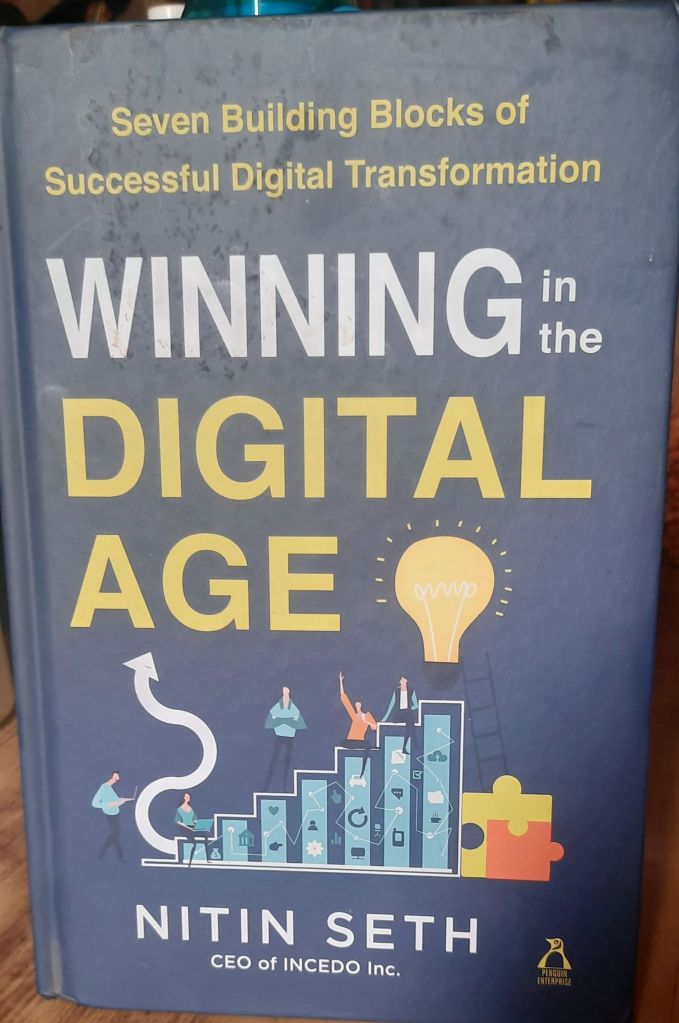
In conclusion, “Winning in the Digital Age” is more than just a book about digital transformation—it is a handbook for success in the 21st century. It offers a comprehensive, practical, and deeply insightful approach to understanding the challenges and opportunities of the digital age. For anyone who is part of the digital revolution—whether as a leader or as someone navigating the world of work—this book is a must-read. It’s not just a guide for surviving the digital age; it’s a blueprint for winning in it. If you’re looking to thrive in the ever-evolving landscape of the digital world, this book will serve as your indispensable guide.
#DigitalTransformation #NitinSeth #BusinessLeadership #AIandCloud #DigitalInnovation #FutureOfWork #OrganizationalChange #DigitalAge #TechInBusiness #DigitalDisruption #SkillDevelopment
I’m participating in the #TBRChallenge by Blogchatter

 Poetry Hub
Hello. Thanks for visiting. I’d love to hear your thoughts! What resonated with you in this piece? Drop a comment below and let’s start a conversation.