Book Review: “Badami, Aihole, Pattadakal” by George Michell
The pulse of ancient India thrums in the pages of Badami, Aihole, Pattadakal, a work that both encapsulates the grandeur of South Indian temple architecture and invites us to step through time into the heart of the Chalukya dynasty. This book, by the esteemed architectural historian George Michell, is more than just a guidebook; it is a revelation. With an academic rigor that doesn’t overwhelm the reader, it traverses the historical and architectural significance of three of Karnataka’s most iconic heritage sites: Badami, Aihole, and Pattadakal. These places, often regarded as the jewels of Indian temple architecture, beckon to anyone with a fascination for the intricate craftsmanship, the untold stories, and the spiritual legacies that these stones hold.
For me, reading this book was akin to undertaking a pilgrimage. The dust and heat of Karnataka’s rocky terrain, the scent of centuries-old sandstone, and the mesmerizing silence of the temples whispered through the pages, each word an invitation to explore deeper. Through Michell’s expertise, I found myself not merely reading about temples but living in them, standing at their doorways, touching the reliefs, and gazing at the distant hills that form the backdrop to these sacred sites.
A Sacred Trio: Badami, Aihole, Pattadakal
The juxtaposition of these three sites in the book is brilliant. Badami, the capital of the Chalukya dynasty from the 6th to the 8th century, is where it all began. Carved into the heart of the rocky cliffs, the rock-cut temples offer a glimpse into the nascent stages of Hindu temple architecture. Michell’s descriptions of the Badami Cave Temples, where Shiva, Vishnu, and Jain Tirthankaras are immortalized in stone, had me lost in awe at the sheer craftsmanship. Each cave tells a different story—each sculpture, a different aspect of divinity. The rock formations themselves seem to echo the reverence that built them, with every inch of the cave temples radiating sanctity. The quiet reflection of these shrines in the Agastya Lake further enhances their mystical aura, as though the temples themselves are gazing upon their own existence.
Then, there’s Aihole—the birthplace of Indian temple architecture. Often described as a ‘laboratory’ for temple construction, Aihole is where the Chalukyas experimented, crafting over 125 temples in a myriad of styles that later influenced entire regions of India. Michell’s analytical approach to the architectural diversity in Aihole left me marveling at the ingenuity behind structures like the Durga Temple, which exhibits an apsidal (semi-circular) design rarely seen in Indian temples. The Lad Khan Temple, named after a Muslim nobleman, is a striking contrast to the usual Hindu temples in the region, further showcasing the cultural syncretism that permeates Indian history.
The book reaches its apex with Pattadakal, where the grandeur of temple building reaches its zenith. This UNESCO World Heritage site stands as a testament to the splendor of the Chalukyan dynasty. The juxtaposition of Dravidian and Nagara architectural styles in temples like the Virupaksha and Mallikarjuna Temples is both audacious and brilliant. These temples rise with an elegance that is almost otherworldly. Michell’s attention to detail in analyzing their structural complexities and the rich cultural narratives embedded in the reliefs and carvings is both scholarly and poetic.
The Architecture of Time
One of the key strengths of Michell’s book is his thorough analysis of the construction techniques and the artistic styles used in these temples. As someone who has always been fascinated by the ways in which architecture can reflect culture, history, and religious sentiment, I found Michell’s insights invaluable. He explains the nuances of temple design with such clarity that even a reader unfamiliar with architectural jargon can follow along with ease. From the grand vimanas (towering spires) to the smaller, intricately carved sculptures that adorn every inch of these temples, Michell unearths the layers of symbolism embedded in each structure.
But it isn’t just about the buildings. Michell’s expertise extends to a broader understanding of the religious and cultural significance of these monuments. The temples were not just places of worship but repositories of divine narratives, political power, and artistic expression. Each sculpture, each relief, is a story frozen in time. And with each turn of the page, I found myself learning more about the religious practices of the time and the deep intertwining of politics, culture, and spirituality that these temples represent. The fascinating insights into the archaeology of these sites—discovered only through meticulous excavation and research—helped me connect the dots between the physical remnants of these temples and the society that built them.
Visual Splendor
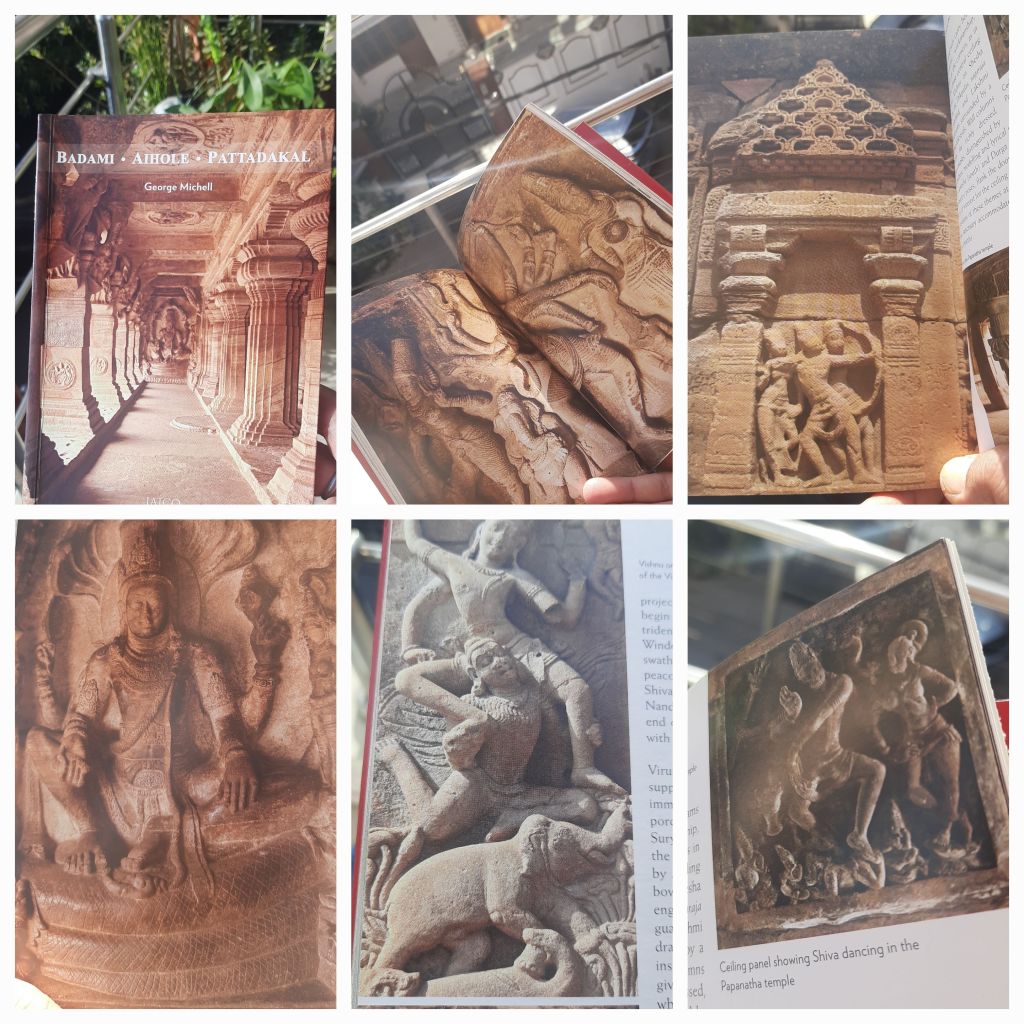
Michell has gone beyond merely cataloging facts and figures. The book is beautifully illustrated with over 130 color photographs, providing a visual feast for the reader. These images not only complement the text but enrich the experience. They allow the reader to immerse themselves in the atmosphere of these temples, as if standing before them in their full splendor. The photographs capture the essence of the stone temples—the play of light and shadow, the weathered carvings, and the imposing structure of the vimanas against the bright sky. Even the maps and building plans included are thoughtfully presented, offering a sense of scale and orientation that makes following the journey through the temples easier.
A Journey Through Time
As I turned each page, I realized that this book is not just an architectural guide. It is a portal—a way of stepping back in time, walking the same paths that kings and scholars, priests and artisans, once did. Michell’s writing does more than educate; it transports. The historical narrative woven through the book is as compelling as the architecture itself. The rise and fall of the Chalukya dynasty, the cultural shifts, and the gradual transformation of these temples under successive rulers are all painted with such vividness that I could almost hear the clang of temple bells and the chants of ancient prayers.
This is a book that will appeal to anyone who appreciates the convergence of history, culture, and architecture. It is a valuable resource for historians, architects, and those simply curious about India’s rich heritage. But even for those not steeped in architectural or historical studies, Badami, Aihole, Pattadakal offers something deeply personal—a way to connect with the ancient soul of India. It is a gentle reminder that history is not just something to read about, but something to live through.
In Conclusion
Michell’s Badami, Aihole, Pattadakal is a triumph of scholarship and narrative. It is a love letter to India’s architectural heritage, and it has left an indelible mark on me. I came to this book seeking to understand these temples, but I walked away with something much more profound—a deeper understanding of the Chalukya dynasty and the enduring power of architecture to shape culture, belief, and identity. Whether you are planning to visit these temples in person or simply wish to experience them through the written word, this book will take you on a journey of discovery, reverence, and awe.
#Badami #Aihole #Pattadakal #ChalukyanArchitecture #IndianTemples #KarnatakaHeritage #RockCutShrines #HistoricalSites #TempleArchitecture #UNESCOWorldHeritage #AncientIndia #CulturalHeritage #SouthIndianHistory #GeorgeMichell
I’m participating in the #TBRChallenge by Blogchatter

 Poetry Hub
Hello. Thanks for visiting. I’d love to hear your thoughts! What resonated with you in this piece? Drop a comment below and let’s start a conversation.