The Evolution of Network Security in 2025
As I sat in my office this crisp December morning, scanning the latest cybersecurity trends, I couldn’t help but marvel at the rapid pace of technological evolution. It’s a time of flux—a crossroads where digital innovation meets the escalating sophistication of cyberthreats. My thoughts spiraled toward 2025, a pivotal year that, according to Palo Alto Networks’ 2025 Cybersecurity and AI Predictions, promises to redefine how we approach network security.
The insights revealed eight transformative trends, each a beacon signaling a new era in cybersecurity. The implications are profound, not just for IT professionals but for every individual navigating the digital landscape. Let’s delve deeper, blending personal reflections with the broader narrative of a world hurtling toward a more secure, AI-infused future.
—
1. The Ascension of the Secure Browser
The browser—once a humble portal to the internet—is now the front line of defense in cybersecurity. I recall a conversation with a colleague who lamented the chaos wrought by a browser-based data breach at their organization. The rise of remote work and BYOD policies has rendered traditional perimeter defenses obsolete.
In 2025, secure browsers will become as ubiquitous as firewalls once were. These sophisticated gateways will not only shield enterprises from cyberattacks but also prevent accidental data leaks. Imagine browsing with the assurance that every click, every interaction, is fortified by cutting-edge security. It’s a paradigm shift that will reshape digital interactions, marking the dawn of a new, secure digital transformation.
—
2. Governments’ Leap into Smart and Secure Infrastructure
Nation-state cyberattacks targeting critical infrastructure have become a grim reality. I often ponder the vulnerabilities of the systems we depend on daily—transportation networks, power grids, and water supplies. In a chilling report, 66% of transportation organizations faced ransomware attacks last year.
By 2025, governments worldwide will prioritize modernizing their infrastructure with smart technologies, fortified by ruggedized next-generation firewalls (NGFWs). It’s not just about replacing outdated systems; it’s about creating a symphony of security and innovation. Picture a future where 5G-enabled smart cities thrive, safeguarded against cyber adversaries. The stakes are high, but so are the possibilities.
—
3. Post-Quantum Cryptography: A Double-Edged Sword
The dawn of quantum computing brings unparalleled potential but also unprecedented risks. I remember a conference where an expert demonstrated how post-quantum cryptography (PQC) could both protect and imperil enterprises.
As PQCs become mainstream, attackers will exploit unprepared systems, embedding threats in encrypted web traffic. Organizations must embrace technologies like the Strata Network Security Platform, which can decrypt and inspect PQC traffic, ensuring a robust defense against quantum-era cyberattacks. The quantum frontier is thrilling, but it demands vigilance.
—
4. Multivector Attacks: The Hydra of Cybersecurity
In mythology, Hercules battled the Hydra—a creature with multiple heads that grew back when severed. In 2025, cybersecurity professionals will face their own Hydra: multivector attacks. These breaches employ diverse tactics, from DNS exploits to ransomware, targeting multiple vulnerabilities simultaneously.
The solution lies in integration. Security services must collaborate seamlessly, much like an orchestra playing in harmony. Platforms powered by Precision AI, such as Palo Alto Networks’ Cloud-Delivered Security Services, will thwart these sophisticated threats, offering businesses a fighting chance against the modern cyber Hydra.
—
5. AI: Bridging the Cybersecurity Skills Gap
The cybersecurity skills gap is a challenge I’ve witnessed firsthand. Teams overwhelmed by alerts, understaffed and stretched thin. Enter AI copilots—intelligent assistants designed to shoulder the burden.
By 2025, these copilots will transform the cybersecurity landscape, automating mundane tasks, analyzing vast datasets, and providing actionable insights. It’s a game-changer, empowering professionals to focus on strategy rather than firefighting. Imagine a world where every cybersecurity expert has an AI partner, working smarter, not harder.
—
6. SASE: Redefining the Future of Work
The pandemic redefined the workplace, and the shift toward remote work is here to stay. I’ve experienced the frustration of sluggish VPNs and the insecurity of public Wi-Fi. In 2025, Secure Access Service Edge (SASE) solutions will bridge this gap.
Single-vendor SASE platforms will offer secure, high-performance access to critical business technologies, no matter where employees work. With integrated secure browsers and minimal latency, these solutions will ensure productivity and protection go hand in hand. It’s the flexibility businesses need in an increasingly distributed world.
—
7. The Rise of AI-Specific Attacks
As AI permeates every business application, it also becomes a target. I recall a chilling case study on generative AI (GenAI) vulnerabilities—how attackers manipulated training data to introduce biases and exploit weaknesses.
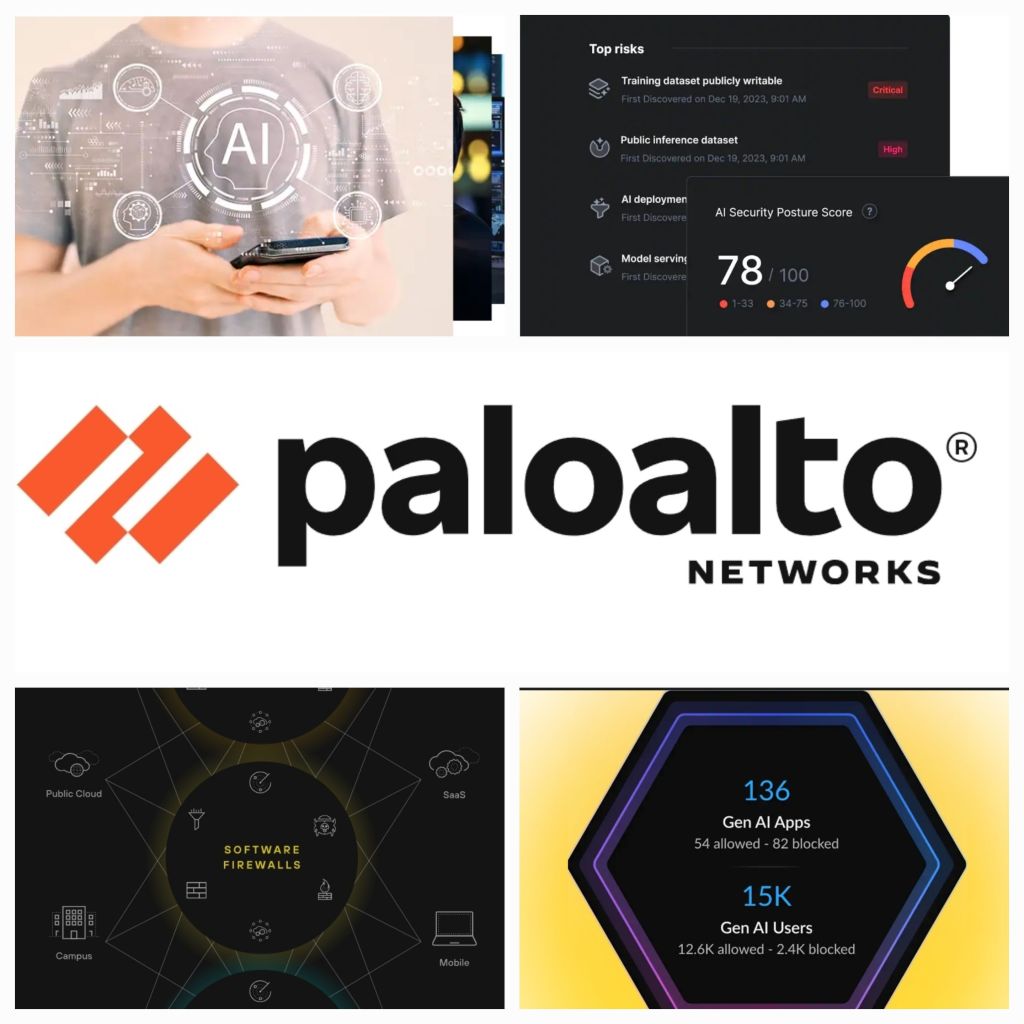
In 2025, AI-specific security solutions will become indispensable. Tools like AI Security Posture Management (SPM) and AI Runtime Security will safeguard applications, data, and models, ensuring that businesses can harness AI’s potential without compromising security.
—
8. The Phishing Renaissance
Phishing emails—crafted with generative AI—are evolving into masterpieces of deception. I’ve seen colleagues fall prey to emails so convincing they rival professional correspondence.
In 2025, enterprises will rely on advanced, AI-powered antiphishing technologies. Secure browsers and integrated SASE platforms will serve as the first line of defense, blocking these attacks before they reach unsuspecting users. The battle against phishing is intensifying, but with the right tools, victory is within reach.
—
Preparing for a Secure Future
As I reflect on these trends, one thing is certain: the future of network security is dynamic, innovative, and profoundly challenging. Organizations must adopt holistic, agile strategies that anticipate and counter emerging threats.
By investing in secure browsers, AI-powered tools, and integrated platforms like SASE, businesses can navigate the complexities of 2025 and beyond. It’s a journey of resilience and transformation, ensuring that the digital world remains a space of innovation and opportunity.
In the words of a cybersecurity pioneer, “The future is not something we enter. The future is something we create.” Let’s build it wisely.
#Cybersecurity2025 #NetworkSecurity #AIinCybersecurity #SecureBrowser #SASE #CyberTrends #QuantumCryptography #TechInnovation #DigitalTransformation

 Poetry Hub
Hello. Thanks for visiting. I’d love to hear your thoughts! What resonated with you in this piece? Drop a comment below and let’s start a conversation.