
The Devastating Fire at Kantamanto Market: A Wake-Up Call for Sustainable Fashion and Circular Economy
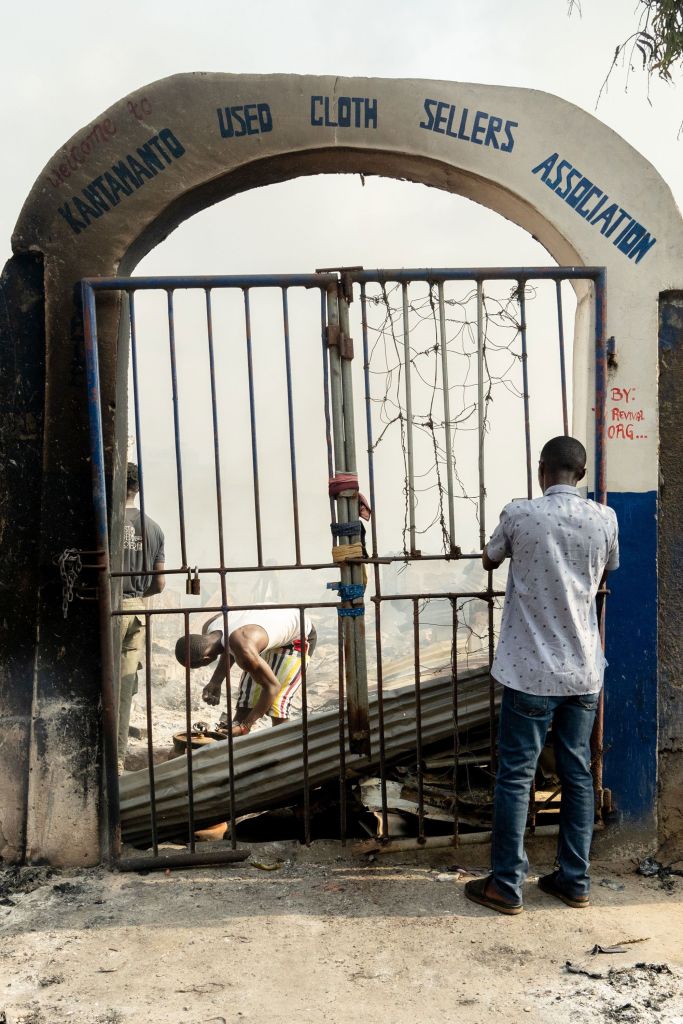
On the early morning of January 2, 2025, disaster struck Ghana’s Kantamanto Market. A devastating fire tore through the market, causing immense damage. This market, located in Accra, is one of the largest secondhand clothing markets in West Africa. Unfortunately, the fire has left thousands of people displaced and businesses destroyed. Moreover, it has raised significant concerns about the lack of sustainable waste management solutions in the fashion industry.
Kantamanto Market plays a vital role in the global secondhand clothing trade. It has long been a hub for recycling and upcycling discarded garments. However, this fire is not the first time the market has faced such a calamity. Over the years, fires have become an annual occurrence. The market’s ad-hoc construction and rapid expansion have made it prone to such disasters. Furthermore, the lack of protection from heavy rains has frequently led to flooding, which disrupts business operations.
This time, the damage has been catastrophic. According to The Or Foundation, a Ghanaian-American nonprofit, around 8,000 traders have been directly affected by the fire. The organization has been supporting relief efforts on the ground. In fact, they estimate that at least 10 of the market’s 13 sections have suffered severe damage. Images of the devastation have been shared widely on social media, illustrating the extent of the destruction. Many business owners have lost their livelihoods in this tragic event.
Some market traders, such as Yayra Agbofah, founder of The Revival, have begun sharing footage of the fire’s aftermath. In her posts, Agbofah estimated that over 2,500 shops were completely destroyed. She expressed the hopelessness of seeing “bare ground” where businesses once stood. Similarly, Upcycle It Ghana, another nonprofit, reported that its shop was engulfed by the flames. The organization lamented the loss of years of hard work and the livelihood of its members.
Despite these overwhelming losses, the fire has spotlighted the critical role Kantamanto Market plays in the fashion ecosystem. Every week, the market receives 15 million discarded clothing items, much of which comes from the Global North. These garments are then resold, reused, repaired, or upcycled, keeping them out of landfills. The Or Foundation estimates that the market recirculates approximately 25 million secondhand items every month. This process is crucial for reducing textile waste and promoting a circular economy.
The importance of Kantamanto Market goes beyond just the local community. It has gained global recognition as a symbol of the secondhand clothing trade. The Or Foundation’s activism and awareness-raising efforts have helped shed light on the market’s significance. Furthermore, images of the market’s repair efforts and the pollution caused by textile waste have sparked international discussions on sustainability. Notably, the foundation’s work has contributed to lobbying the European Union on extended producer responsibility (EPR) regulations.
In response to the fire, The Or Foundation has committed $1 million to emergency relief. They have been using the funds to support debris removal, provide immediate assistance to those injured, and help clear the affected areas. In the first 24 hours, the organization met with market leaders to assess priorities. They also dispatched a team of volunteers to survey the damage and communicate with local retailers. This collaborative approach has been essential in helping the community during such a challenging time.
To support the rebuilding efforts, The Or Foundation has called on global stakeholders to show solidarity. Daniel Mawuli Quist, the creative director of The Or Foundation, emphasized the need for quick action. He stated, “Kantamanto’s model of reusing and recycling clothing offers a powerful example of sustainable fashion.” He continued, saying that this is a critical moment for the fashion industry to contribute to the recovery of the market. He urged the industry to provide tangible help to rebuild the market, which could drive global change.
Luxury resale platform Vestiaire Collective has also expressed its support for the relief efforts. The company, which has an ongoing partnership with The Or Foundation, mobilized its community to fundraise for the market’s recovery. Dounia Wone, Vestiaire Collective’s chief impact officer, called the fire a tragic reminder of the fashion industry’s challenges. She noted that the incident underscores the urgent need to rethink the global fashion system. Wone added that such a tragedy highlights the necessity of creating sustainable, resilient solutions for textile waste management.
The fire at Kantamanto Market also brings attention to the larger issue of global textile waste. Every year, millions of tons of clothing are discarded, contributing to the growing waste crisis. Many fashion brands still rely on linear production models, which prioritize cheap and fast manufacturing over sustainability. As a result, countries in the Global South, like Ghana, often become dumping grounds for unwanted clothes. The Kantamanto fire serves as a stark reminder of the environmental and social impacts of this waste.
In the wake of the disaster, the global fashion industry has a critical opportunity to take responsibility. Rebuilding Kantamanto Market is not just about restoring a physical space; it is about supporting a sustainable fashion ecosystem. The market represents a circular model of fashion that recycles, repairs, and reuses textiles instead of discarding them. By supporting this model, the industry can help reduce the volume of textile waste and promote a more ethical, sustainable approach to fashion.
In conclusion, the fire at Kantamanto Market is a tragic event that has shaken the global fashion community. However, it also serves as a crucial wake-up call. The devastation highlights the pressing need for better waste management systems in the fashion industry. Furthermore, it underscores the importance of supporting local, sustainable initiatives like Kantamanto Market. As the fashion industry continues to grapple with its environmental impact, it must prioritize circularity, sustainability, and community-driven solutions. The recovery of Kantamanto Market will be a critical step toward achieving a more resilient and sustainable fashion future.
#KantamantoMarket #SustainableFashion #CircularEconomy #TextileWaste #SecondhandClothing #EthicalFashion #Upcycling #FashionRevolution

 Poetry Hub
Hello. Thanks for visiting. I’d love to hear your thoughts! What resonated with you in this piece? Drop a comment below and let’s start a conversation.