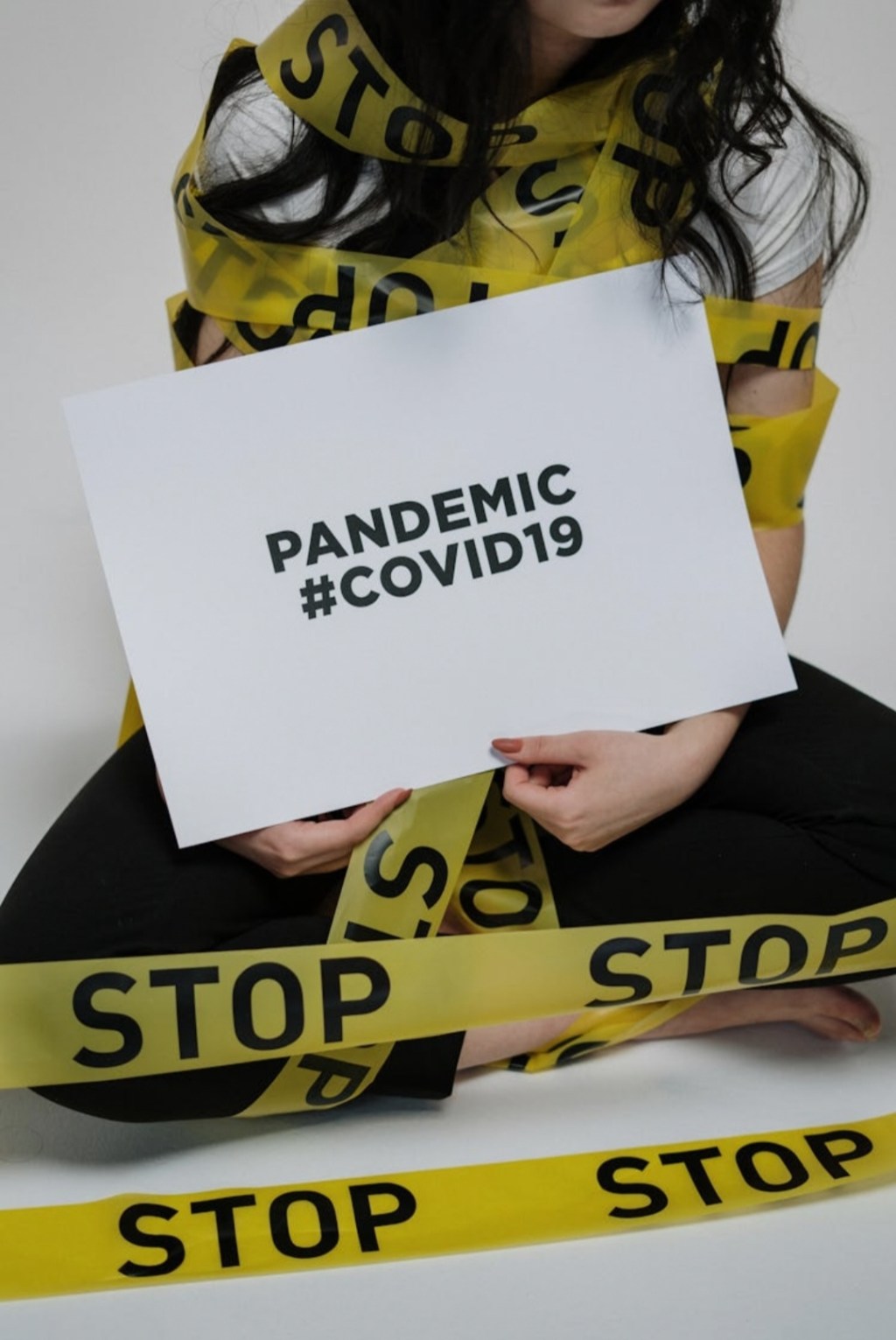
How have you adapted to the changes brought on by the Covid-19 pandemic?
Chromatic Aberration of the Confined Self: A Pandemic Adaptation in 900+ Fragments
The air, once a lung-filling expanse, now curdled, a viscous gel clinging to the edges of breath. Did you notice the shift? The subtle molecular rearrangement of fear? I did. My skin, a porous membrane, registered the change first. A prickling unease, like phantom static from a disconnected world.

The rhythm of the street faltered. A stuttering silence replaced the usual cacophony. Cars became fossilized beetles, their chrome eyes reflecting an empty sky. Footsteps, once a communal pulse, dwindled to isolated taps, each one an echo in the burgeoning void.

My apartment, previously a launchpad, a temporary docking station, transformed. Walls exhaled a new intimacy, a suffocating closeness. Furniture developed personalities, judging my every move. The window became a cinema screen, projecting the slow-motion apocalypse of an abandoned city.

The digital hum intensified. Screens bloomed with faces, pixelated proxies for absent touch. We became avatars, navigating a virtual landscape of anxieties and shared sourdough starters. Connection, once a handshake, a hug, now a fragile thread of data, easily severed by a dropped connection or a forgotten password.

Time fractured. Days stretched into amorphous blobs, indistinguishable from one another. The tyranny of the clock dissolved, replaced by the ebb and flow of internal rhythms – the hunger pang, the urge to pace, the sudden descent into existential dread.

My reflection became a stranger. Eyes, magnified by the enforced stillness, held a new depth, a weariness etched in the delicate lines around them. Hair grew wild, a tangled testament to the unraveling of routine. The body, confined and under-stimulated, began to feel alien, a fleshy vessel adrift in a sea of uncertainty.

The language shifted. "Social distancing" became a mantra, a paradoxical command to connect by staying apart. "Unprecedented" lost its meaning through overuse, a linguistic casualty of the new normal. We spoke in hushed tones of "the curve," "variants," and "vaccines," a vocabulary born of fear and hope.

The senses sharpened, then dulled. The scent of disinfectant became ubiquitous, a sterile shroud over everyday life. The taste of home-cooked meals intensified, a small rebellion against the blandness of isolation. But the constant barrage of information, the endless scroll of bad news, eventually numbed the senses, leaving a feeling of detached exhaustion.

Dreams became vivid, surreal landscapes populated by masked figures and impossible geometries. The subconscious, freed from the constraints of daily life, staged its own avant-garde theatre of anxieties and desires. Sleep offered a temporary escape, a brief respite from the relentless reality.

I learned new skills. The art of the video call, the choreography of the socially distanced grocery run, the patience required to navigate endless online queues.

Adaptation became a form of survival, a constant recalibration of expectations and behaviors.
The outside world, once taken for granted, became a source of longing and fear. A simple walk in the park felt like an act of defiance, a reclaiming of lost territory. The sight of a crowd, once unremarkable, now triggered a primal sense of alarm.

My relationship with technology deepened, then soured. The screen became both lifeline and prison, offering connection and fostering addiction. The constant stream of information became overwhelming, a digital deluge threatening to drown me in anxiety.

Creativity took on new forms. Confined spaces became studios, living rooms transformed into stages. The urge to express, to make sense of the chaos, found outlets in unexpected ways – writing, painting, music, even elaborate Lego constructions.

The concept of "normal" fractured into a million shards, each reflecting a different facet of the pandemic experience. There was no single way to adapt, no universal script to follow. Each individual navigated the crisis in their own unique, often messy, way.

I developed a strange intimacy with my neighbors, glimpsed through windows or heard through thin walls. We were united by our shared confinement, our collective vulnerability. A nod in the hallway, a brief conversation from a distance, became acts of solidarity.

The absence of touch became palpable. The longing for a hug, a handshake, a comforting arm around the shoulder, grew into a deep ache. We learned to communicate through gestures, through the language of the eyes, finding connection in the smallest of moments.

The pandemic forced a confrontation with the self. Stripped of external distractions, we were left alone with our thoughts, our fears, our vulnerabilities. It was a period of intense introspection, a forced reckoning with who we were and who we wanted to be.

Adaptation was not a linear process. There were days of resilience, of finding unexpected joys in the small things. And there were days of despair, of feeling overwhelmed by the enormity of the crisis. It was a constant cycle of adjustment, of learning and unlearning.

The world outside began to tentatively reopen, but the scars remained. The memory of the fear, the isolation, the uncertainty, lingered like a phantom limb. We had been changed, irrevocably altered by the shared trauma.

How have I adapted? I have become a creature of habit, finding solace in routine. I have learned to appreciate the small moments of connection, the unexpected kindness of strangers. I have developed a deeper understanding of my own resilience, my capacity to endure.

But there is also a lingering unease, a heightened awareness of the fragility of life. The world feels different now, somehow thinner, more vulnerable. The future remains uncertain, a landscape shrouded in mist.

Perhaps adaptation is not about returning to what was, but about embracing the new reality, with all its complexities and uncertainties. It is about finding new ways to connect, to create, to find meaning in a world that has been fundamentally reshaped.

The chromatic aberration of the confined self reveals new hues, unexpected shades of resilience and vulnerability. We have adapted, not perfectly, not seamlessly, but in the fragmented, unorthodox way that only a global crisis can demand. The silence still echoes, but within it, a new rhythm begins to emerge. A rhythm of cautious hope, of tentative connection, of a world slowly, painstakingly, finding its new equilibrium. The gel of fear still clings, but the lungs, tentatively, begin to expand again.
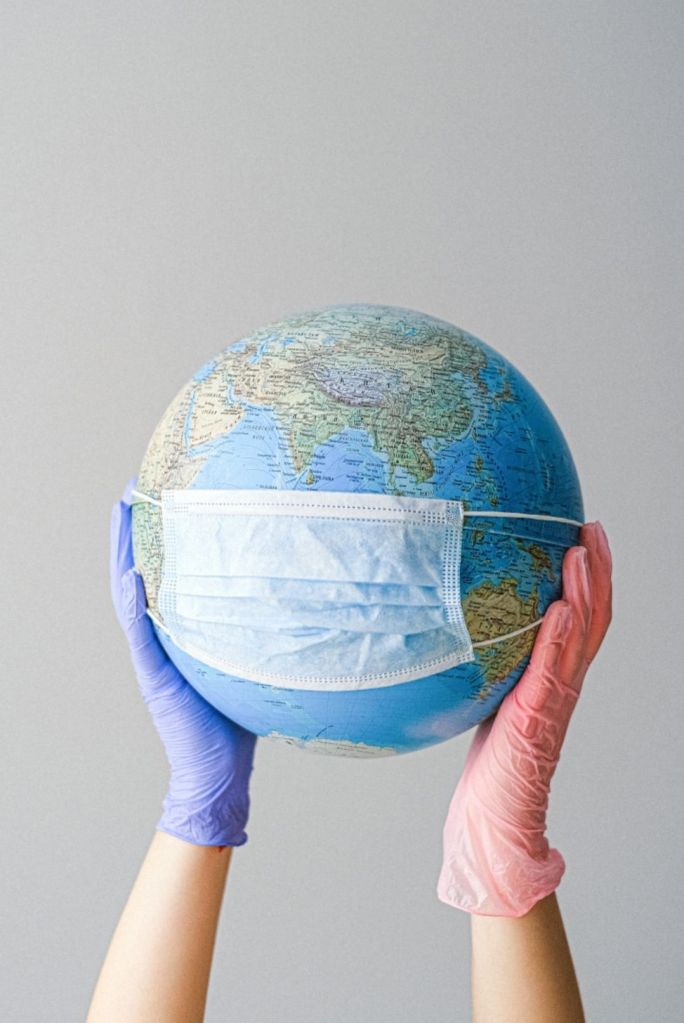
#PandemicPoem #Covid19 #Poetry #IsolationArt #ConfinementCreativity #FragmentedVerse #PandemicReflections #TimeDistortion #SensoryExperience #FearAndHope #ResilienceInCrisis

 Poetry Hub
Hello. Thanks for visiting. I’d love to hear your thoughts! What resonated with you in this piece? Drop a comment below and let’s start a conversation.