Breaking the Silence: Manipal Hospital Sarjapur Road Champions Epilepsy Awareness on Purple Day
Epilepsy is a prevalent neurological disorder. It affects about fifty million people globally. This makes it one of the most common brain conditions. In India, nearly ten million individuals live with epilepsy. Sadly, many do not receive adequate medical attention. This is particularly true in rural areas. A staggering seventy percent of patients there lack proper care. This deficit stems from a lack of awareness. The significant stigma around seizures also contributes.
Among older adults, stroke emerges as a major cause of acquired epilepsy. Up to thirty percent of stroke survivors may develop seizures. These seizures present in various ways. Recognizing early warning signs becomes incredibly important. Timely intervention can significantly improve outcomes.
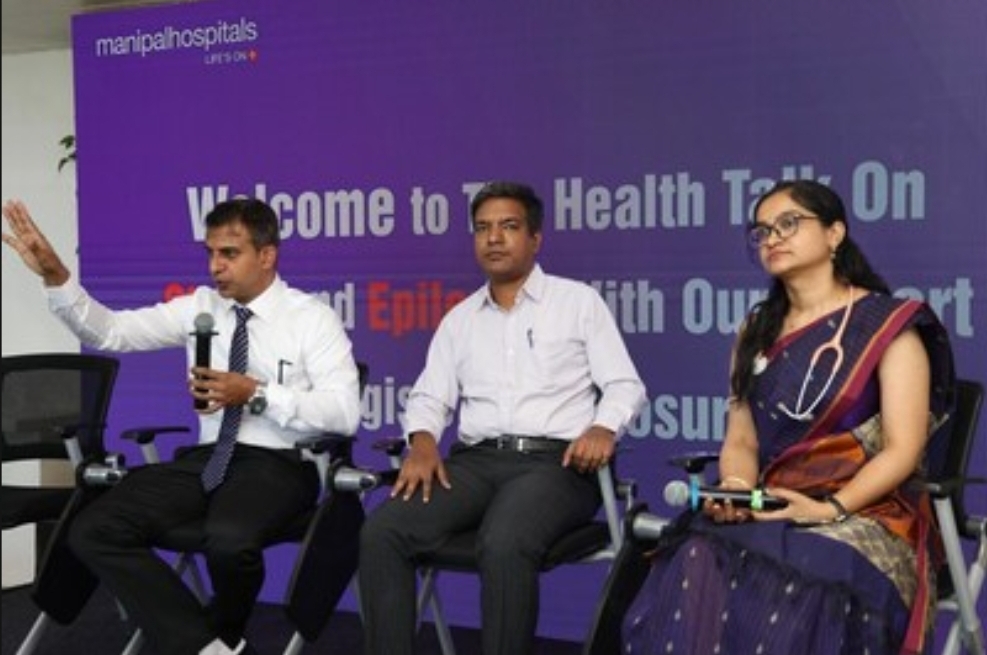
Addressing these critical issues, Manipal Hospital Sarjapur Road took a proactive step. They organized an insightful health talk. The topic was Epilepsy and Stroke. This event occurred on March 29, 2025. It was held in recognition of Purple Day. Purple Day is an international day dedicated to epilepsy awareness.
Expert Neurologists and Neurosurgeons at Manipal Hospital shared valuable knowledge. They focused on spotting early warning signs of epilepsy. They also discussed stroke-related risks. Crucial emergency response tips were provided. Information about recovery from these conditions was also shared.
Over seventy-five residents from the neighborhood attended the talk. College-going youth also participated actively. They came to learn more about both epilepsy and stroke. The event aimed to empower the community. It also sought to offer support for individuals living with epilepsy.
Dr. Swati Patil, an Associate Consultant in Neurology at Manipal Hospital, directly addressed this stigma. She noted the critical role of awareness. Dr. Patil stated that raising awareness is critical to changing this mindset. She further emphasized the need for community support. She asserted that people with epilepsy need support and understanding, not exclusion. She also explained the symbolism of the color purple. She clarified that the color purple symbolizes the isolation many patients feel.
Treatment adherence is another crucial aspect. Dr. Patil highlighted its importance. She noted that ensuring proper treatment adherence is key. She explained that many patients unfortunately discontinue medication prematurely. This can lead to recurrent seizures. These recurrent seizures can be life-threatening in certain situations. Examples include swimming, driving, or working near fire. Dr. Patil concluded with a message of hope. She affirmed that awareness, compassion, and medical intervention can transform lives and remove the stigma surrounding epilepsy.
Dr. Shivakumar R, Head and Senior Consultant in Neurology, then took the stage. He delved into the mechanisms behind seizures. Dr. Shivakumar explained that the brain functions through electrical signals. He further elaborated on what happens during a seizure. He stated that when these signals misfire, seizures occur.
Dr. Shivakumar clarified that seizures can affect different parts of the brain. He said that they can affect the entire brain or just a part of it. This can lead to a wide range of symptoms. These symptoms include loss of consciousness and confusion. Unusual movements can also occur.
Witnessing a seizure can be alarming for many. Dr. Shivakumar offered guidance on how to respond. He advised that many people panic when witnessing a seizure. However, he stated that the best response is to stay calm and ensure the person’s safety. He also emphasized the variability of seizures. He explained that no seizure looks alike. Thus, proper identification remains important for timely diagnosis and treatment.
Dr. Shivakumar concluded by highlighting the positive impact of proper management. He assured the audience that proper management can definitely improve the quality of life for these patients. This includes reducing seizure frequency. It also helps in preventing long-term complications.
Advancements in epilepsy treatment offer new hope. Dr. Aditya Kulkarni, a Consultant in Neurology at Manipal Hospital, discussed these developments. He noted that seizures can be unpredictable. Therefore, having quick-response treatments is important. He then introduced a promising option. Dr. Kulkarni explained that in such cases, nasal spray-based rescue medications can bring rapid relief. He further added to their benefits. He stated that they can prevent prolonged seizures, reducing the need for emergency hospitalization.
However, Dr. Kulkarni also cautioned against misunderstanding their role. He clarified that they are not an alternative for long-term anti-seizure medications. He emphasized that long-term medication is the primary form of treatment. He then provided essential advice for managing epilepsy. He urged the audience to recognize their triggers. He also advised them to adhere to their treatment plan. Furthermore, he recommended seeking guidance for effective seizure control or dose adjustment. Dr. Kulkarni ended on an optimistic note. He affirmed that with proper care, most epilepsy patients can lead normal, fulfilling lives.
Surgery plays a significant role in certain cases of epilepsy. Dr. Ajay Hegde, a Consultant in Neuro-Spine Surgery, addressed this aspect. He focused on drug-resistant epilepsy. Dr. Hegde explained that drug-resistant or Refractive epilepsy, which constitutes 30% of epilepsy cases, is challenging to manage. He then highlighted the potential benefits of surgery. He stated that surgery can be beneficial in helping these patients achieve seizure freedom.
Dr. Hegde provided encouraging statistics. He noted that surgery often provides 60-70% seizure control. He emphasized the life-changing potential of this intervention. He asserted that it remains a life-changing option for those with drug-resistant epilepsy. He also pointed out the importance of specialized centers. He added that this is especially true when performed at specialized epilepsy centers.
Often, the first person to witness a seizure is not a medical professional. It is frequently a family member, a friend, or a bystander. Recognizing this critical role, Manipal Hospital Sarjapur Road designed this initiative to educate the wider community. Their aim was to create a more informed and compassionate society. In such a community, epilepsy is understood. It is not feared.
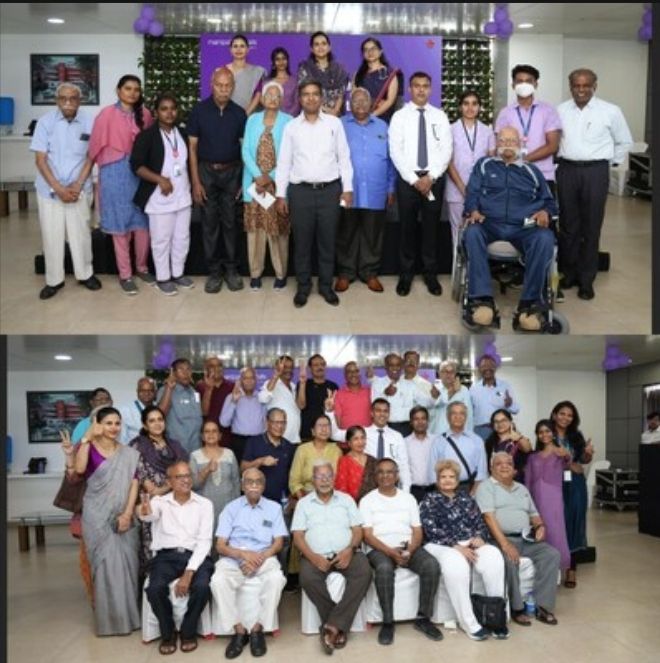
The health talk served as a valuable platform for disseminating crucial information. It empowered attendees with the knowledge and understanding needed to support individuals with epilepsy. By breaking down the stigma and fostering empathy, Manipal Hospital took a significant step towards creating a more inclusive and supportive environment for those affected by this neurological condition. The participation of both residents and college students underscored the community’s willingness to learn and contribute to this important cause.
For those seeking more comprehensive information about epilepsy and the services offered at Manipal Hospital Sarjapur Road, the hospital has provided a dedicated resource. You can visit their website at: https://www.manipalhospitals.com/. This platform offers further details and support for individuals and families affected by epilepsy.
I’m participating in #BlogchatterA2Z

 Poetry Hub
Hello. Thanks for visiting. I’d love to hear your thoughts! What resonated with you in this piece? Drop a comment below and let’s start a conversation.