
What jobs have you had?
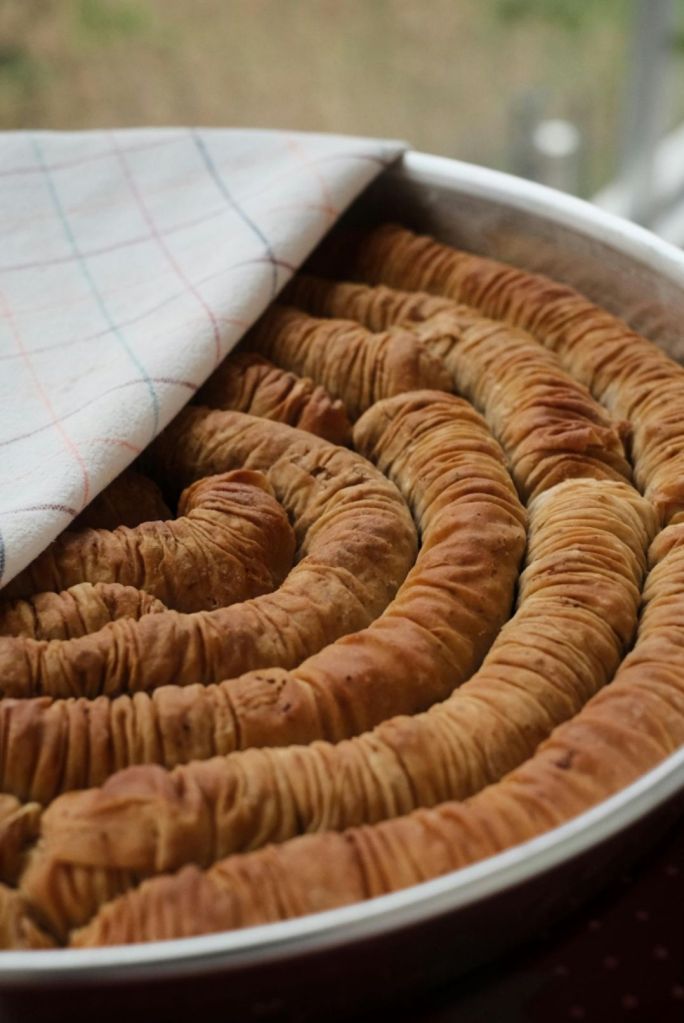
I once folded time in the scent of warm bread,
a 3 a.m. baker in a town that forgot the moon.
My fingers, coated in the flour of forgotten conversations,
shaped loaves that would never know who needed them most.
I whispered to dough as if it were a sleeping child—
and it rose.

Then, I painted silence on telephone wires,
a switchboard ghost who answered to no name,
just numbers—endless numeric heartbreak.
“Hello?” I'd say,
but my voice wasn’t mine—it belonged to the static
between two people pretending to love.

I was a mender of moth wings—
not really,
but I like to think so,
as I stitched the seams of thrift store coats
and closed the mouths of unraveling gloves.
People came in,
not for warmth—
but for memory.

There was a year I was a silence-tuner
in a piano repair shop—
where music lived between the hammers and grief.
The old man who owned it never spoke,
but we breathed melodies into each other's presence.
I tuned pain to E-flat,
and he smiled.

I wrote subtitles for foreign films I didn’t understand,
guessing what the tears meant—
hoping I was wrong,
but never sure.
Once I made a French war widow say,
“Time tastes like rosemary,”
because I didn’t know how to say goodbye
in her language.

I was the girl with the mop in the art museum,
not looking at the paintings
but at the reflections they forgot to frame.
One night, Van Gogh asked me
if I believed in yellow.
I told him yes.
I lied.
That was before I met the sun
under a janitor’s hat.

I made paper cranes out of eviction notices,
left them at doorsteps like apologies
from a system that forgot to be human.
No one thanked me,
but once, a child unfolded one,
read the words,
and wept for her mother
in a voice made of glass and stars.

For two weeks, I was a test subject—
not for money,
but for the thrill of being watched.
They measured my dreams
like rainfall on a tin roof.
I remember one scientist
with hands that trembled—
I think he fell in love
with the part of me that refused to sleep.

I sang lullabies to call center complaints—
coaxing fury into drowsiness,
I once convinced a man his rage
was just a misunderstood version of longing.
He called me the next day,
just to say
his tea tasted like hope again.
I quit after that.
I was afraid I was becoming a god.

Once, I played a tree in a school play
because no one else wanted to stand still.
That day, I realized how much happens
when you’re just there.
Roots growing under insults,
wind sculpting the silence,
children tossing laughter
like leaves in your hair.

I was briefly a mirror in a changing room.
I watched people become
who they thought they wanted to be,
then peel it off and cry.
Some whispered secrets to their reflections.
I kept them all.
Still do.

For a season,
I delivered flowers to wrong addresses
on purpose.
I told myself
everyone deserves an unexpected bloom.
I wanted to believe
that petals can undo loneliness.
Sometimes they did.
More often,
they just rotted
in the sun of unanswered doors.

I was an eraser at a publishing house.
Yes, an eraser—
crossing out everything that felt too true.
Authors would send manuscripts
spilled from their bones,
and I’d tidy up their bleeding.
They called it editing.
I called it betrayal.
I left when I erased
a line about someone's mother
smelling like saffron and panic.
That line belonged to the world.

I was once an echo
for an old woman with Alzheimer’s.
She’d tell me stories from her past,
forget she’d told them,
and I’d tell them back to her
in her own voice.
We created a duet of remembering.
In her confusion,
we made music.

I cleaned aquariums at night—
talking to fish
about things I couldn’t tell people.
They stared,
blinkless and kind.
I told them my fears,
my dreams,
my cravings for orange juice
at 2:17 a.m.
They forgave me for everything
I hadn’t done yet.

I was a bookmark in a used bookstore—
always stuck in chapter seven,
between a heartbreak
and a redemption.
Readers picked me up,
held me to their chests,
then left.
And I waited for someone
to read me.

I was hired to cry at funerals—
not because I was good at pretending,
but because I wasn’t.
Grief is a dialect I’m fluent in.
A widow once held my hand
and said,
“You must have lost someone, too.”
I nodded.
She never asked who.

I was a nap-watcher in a kindergarten.
Just sitting there,
guarding small dreams
as they floated in crayon-scented air.
Once a boy murmured “dinosaur spaceship”
in his sleep.
I wrote it down.
Still have it.
Might name a star after him one day.

I worked for the wind.
Yes, the wind.
Tugging scarves off lovers
to remind them of longing.
Carrying laughter across alleys
and leaving it in strangers’ windows.
I wasn’t paid,
but I was free.

Now?
Now I’m a collector of all that
never made it to résumé paper.
A curator of invisible work.
I am the hush between applause,
the shift in a loved one's breath
as they fall asleep mid-sentence.

I am the job no one hires for
but everyone needs—
the one who remembers.

That’s what I’ve done.
That's who I’ve been.
And someday,
when someone asks again,
“What jobs have you had?”
I will hand them this poem,
still warm from the oven
of my unbecoming.

 Poetry Hub
Hello. Thanks for visiting. I’d love to hear your thoughts! What resonated with you in this piece? Drop a comment below and let’s start a conversation.