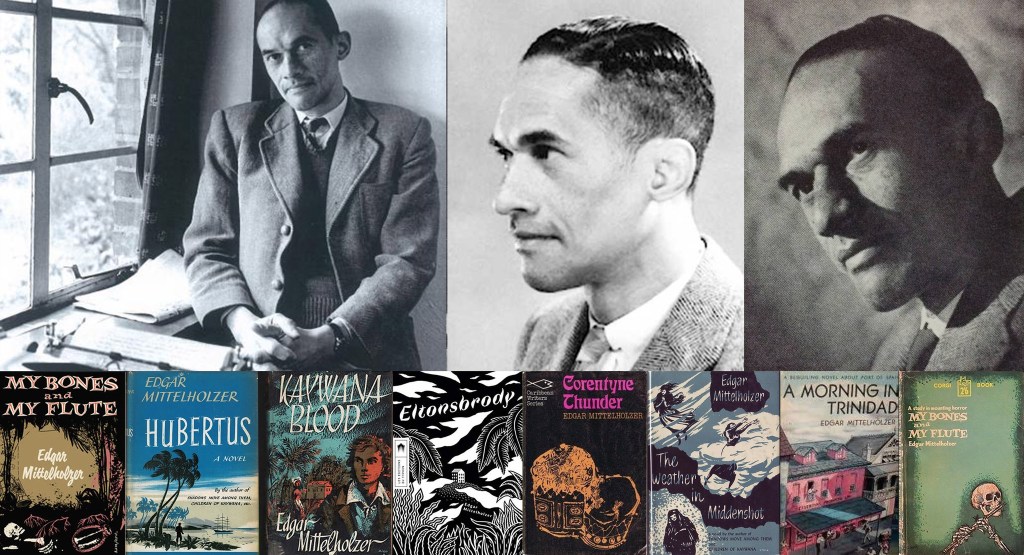
The Forgotten Pioneer of Caribbean Literature
In the sun-drenched yet socio-politically turbulent landscapes of British Guiana (now Guyana), a literary genius emerged whose voice would echo across oceans. Edgar Mittelholzer, born on December 16, 1909, in New Amsterdam, Berbice, was not merely a writer; he was a visionary who dared to chronicle the complexities of Caribbean life through the prism of race, class, identity, and existential despair. Yet, despite his groundbreaking contributions to literature, Mittelholzer’s name often lingers in the margins of collective memory—celebrated by the few, forgotten by the many. This is an attempt to bring him back into the spotlight, not merely as a tragic figure, but as a literary titan whose courage to confront uncomfortable truths should never be overlooked.
Early Life and Identity Crisis
Edgar Mittelholzer was born into a racially mixed family of Swiss, French, and African ancestry. Growing up in a colonial society steeped in racial hierarchies and colorism, Mittelholzer was neither fully accepted by the white elite nor embraced by the black majority. This duality shaped his worldview and left an indelible mark on his writing.
He studied at Berbice High School and later worked as a clerk and civil servant. But his passion for writing was evident from an early age. He self-published a novella, “Creole Chips,” in 1937, and served in the Trinidad Royal Volunteer Naval Reserve during World War II. These early experiences—of colonial rule, racial ambiguity, and displacement—deeply informed the themes of his later work.
Breaking Ground: The First Published Guyanese Novelist
In 1941, Mittelholzer published Corentyne Thunder, the first novel by a Guyanese author to be published internationally. Set on the Corentyne Coast, the novel explores the strictures of Indo-Guyanese life, arranged marriage, and patriarchal authority. It was revolutionary not just for its content but for its perspective—offering a deeply humanized portrayal of Indo-Caribbean characters.
His use of local dialect, social customs, and nuanced characterization broke new ground. Through Corentyne Thunder, Mittelholzer declared that Caribbean voices deserved space in global literature.
Major Works and Literary Contributions
Mittelholzer was nothing if not prolific. His body of work spans over 20 novels, each rich in cultural, psychological, and philosophical layers.
Notable Works:
- A Morning at the Office (1950) – Offers a penetrating look into race and class dynamics in colonial Trinidad.
- The Kaywana Trilogy (Kaywana Stock, The Harrowing of Hubertus, and Kaywana Blood) – A historical epic that examines 300 years of colonial history and racial intermingling.
- The Life and Death of Sylvia (1953) – A deeply psychological novel that hints at the author’s own inner turmoil.
- Of Trees and the Sea (1956) – Touches on mysticism and the search for spiritual meaning.
His writing is marked by an introspective tone, often exploring themes like:
- Racial and cultural identity
- Alienation and belonging
- Mental illness
- Colonialism and its discontents
- Death, spirituality, and existential dread
A Man Out of Time: Life in England
In the 1950s, Mittelholzer moved to England in search of broader literary opportunities. Despite achieving moderate success and recognition, including a Civil List pension from the British government, he continued to feel alienated. In England, his Caribbean identity made him an outsider; in the Caribbean, his perceived elitism and embrace of European literary styles distanced him from nationalist circles.
Though his work was published by prestigious houses like Secker and Warburg, Mittelholzer often lamented that he was not taken seriously as a literary artist. His themes were too dark, his vision too unsettling for many readers of the time.
The Descent: Mental Health and Final Years
In his later years, Mittelholzer’s writing turned darker and more introspective. His novels became vehicles for exploring metaphysical despair and psychological fragmentation.
Late Works Reflecting Inner Turmoil:
- The Pilling of Clouds (1961) – A metaphorical exploration of mental instability, where clouds mirror the protagonist’s emotional turbulence.
- The Jilkington Drama (1965) – Published posthumously, it’s steeped in gothic horror and portrays a decaying family trapped in madness and spiritual ruin.
These works can be read as confessions in code—Mittelholzer’s way of grappling with his deteriorating mental health and growing sense of futility.
The Tragic End: Suicide by Self-Immolation
On May 5, 1965, Mittelholzer died by suicide in a most harrowing manner—he set himself on fire in his garden in Kent, England. His final act was both a personal and philosophical statement, one that embodied the existential despair that had seeped into his life and work.
An excerpt from his suicide note reads:
“I have lived too long and find that I am tired of everything. Life has no more meaning or purpose for me. My soul has dried up. I am empty.”
And further:
“Do not mourn me. I have chosen this freely. If you must grieve, grieve not for me, but for a world that cannot understand the loneliness of the human soul.”
He was 55.
Legacy: A Voice That Must Not Be Forgotten
Today, Edgar Mittelholzer is remembered in Guyana through literary awards and scholarly interest, but his global recognition remains limited. In truth, he paved the way for Caribbean writers like V.S. Naipaul, George Lamming, and Derek Walcott. His unflinching look at identity, colonial trauma, and the inner workings of the human psyche was ahead of its time.
His death should not define him. Rather, it should compel us to engage more deeply with his writing, to see the beauty, pain, and bravery embedded in his prose.
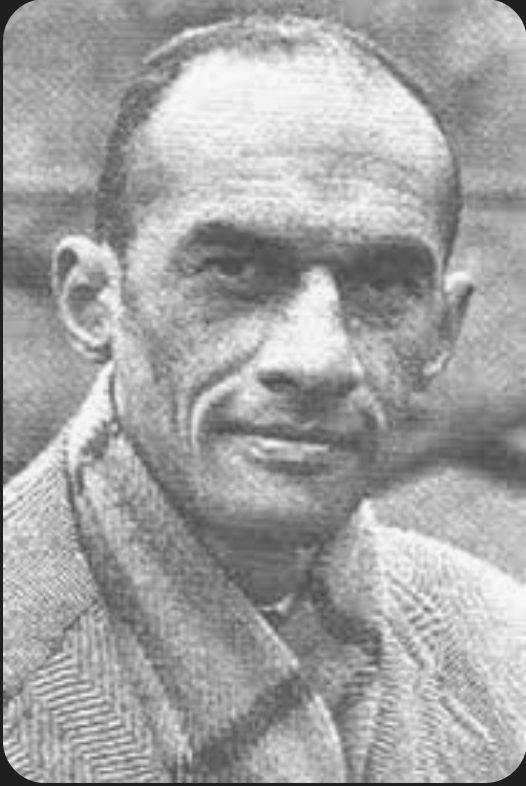
Conclusion: Beyond the Flames
To read Edgar Mittelholzer is to confront both beauty and terror, to witness the flowering of Caribbean literature and the crumbling of a man’s inner world. His life was a tapestry of triumphs and tragedies, but above all, it was a testimony to the power of storytelling.
In remembering Mittelholzer, we remember not just a writer but a witness to the soul’s darkest corridors and the human spirit’s endless quest for meaning.
If this story moved you, consider picking up a Mittelholzer novel or sharing this article with someone who cherishes literary legacies.
#EdgarMittelholzer #CaribbeanLiterature #ForgottenGenius #GuyanaWriters #PostcolonialVoices #LiteraryLegacy #MentalHealthAwareness #WritersWeLost #ExistentialFiction #BlackWritersMatter

 Poetry Hub
Hello. Thanks for visiting. I’d love to hear your thoughts! What resonated with you in this piece? Drop a comment below and let’s start a conversation.