
As the summer sun reaches its peak and lazy afternoons stretch endlessly before us, July presents the perfect opportunity to dive deep into literature that challenges, comforts, and transforms. This month, I’ve curated a reading list that promises to take me on an extraordinary journey through humor, healing, spirituality, and the profound resilience of the human spirit. These four books—spanning genres from satirical romance to historical fiction—represent more than just entertainment; they’re windows into different aspects of the human experience that I believe will reshape my understanding of love, health, faith, and survival.
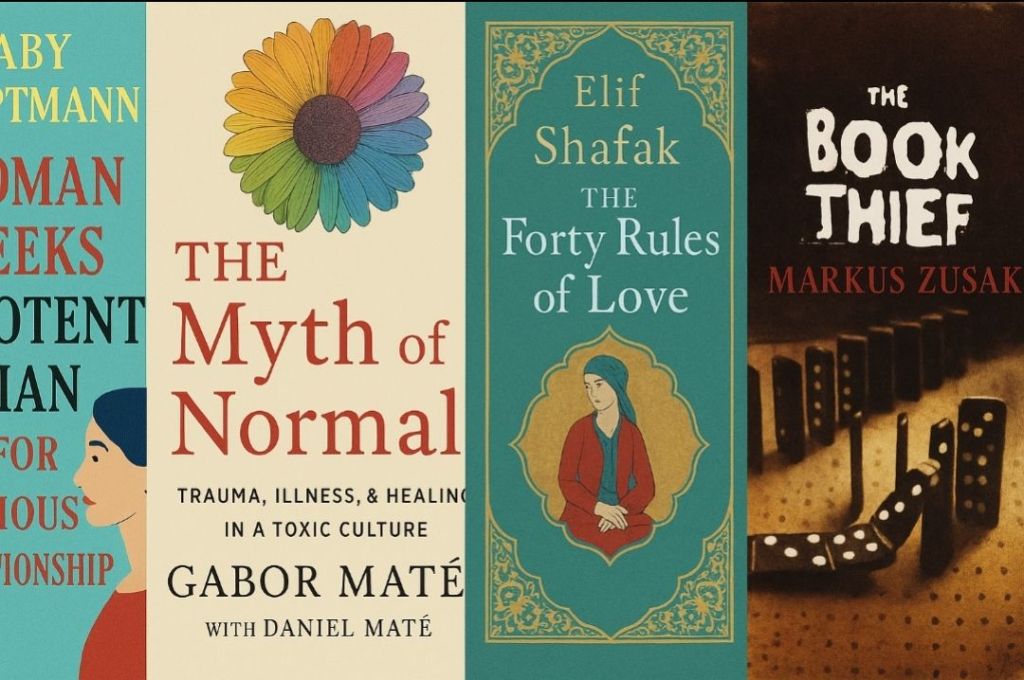
“Woman Seeks Impotent Man for Serious Relationship” by Gaby Hauptmann
Beginning my July reading adventure with Gaby Hauptmann’s provocatively titled novel feels like the perfect antidote to the sometimes overwhelming seriousness of contemporary life. This German bestseller, with its darkly humorous premise, promises to explore the complexities of modern relationships through a lens that’s both irreverent and surprisingly insightful.
What draws me to this book is its bold willingness to tackle uncomfortable truths about intimacy, expectations, and the games we play in pursuit of love. The protagonist’s unconventional personal ad serves as a brilliant metaphor for how we often seek partners who won’t challenge us too deeply or demand too much vulnerability. In a world where dating apps reduce human connection to swipe mechanics, Hauptmann’s exploration of what we truly want versus what we think we want feels remarkably relevant.
I’m particularly interested in how this novel might illuminate the ways we sabotage our own happiness by seeking safety over passion, predictability over growth. The humor promises to make these heavy themes digestible, while the European perspective might offer fresh insights into relationship dynamics that American literature sometimes treats with excessive earnestness.
“The Myth of Normal” by Gabor Maté
From the lighthearted complexities of romance, I’ll transition into the profound depths of healing with Gabor Maté’s groundbreaking work on trauma and health. Having followed Maté’s previous writings on addiction and attachment, I anticipate this book will challenge fundamental assumptions about what we consider “normal” in our society—particularly regarding mental health, physical illness, and emotional well-being.
Maté’s central thesis that trauma and stress are at the root of many chronic illnesses resonates deeply with my own observations about the mind-body connection. In our culture that often treats symptoms rather than causes, his approach of examining the environmental and emotional factors that contribute to disease feels revolutionary. What excites me most about this reading is the potential for paradigm shifts in how I understand not just illness, but wellness itself.
The timing feels particularly significant as we collectively process the trauma of recent global events. Maté’s integration of Indigenous wisdom with Western medical knowledge promises to offer holistic perspectives on healing that our fragmented healthcare system desperately needs. I’m eager to explore his ideas about how childhood experiences shape our adult health outcomes and what this means for both personal healing and societal transformation.
“The Forty Rules of Love” by Elif Shafak
The spiritual dimension of my July reading journey centers on Elif Shafak’s luminous exploration of Sufi mysticism and divine love. This novel, which weaves together the contemporary story of a housewife discovering her authentic self with the historical tale of the 13th-century poet Rumi and his spiritual guide Shams, promises to offer profound insights into the nature of love, faith, and personal transformation.
What compels me toward this book is its promise to explore love not merely as romantic attachment, but as a spiritual force capable of dissolving the ego and connecting us to the divine. The forty rules of love that structure the narrative offer a framework for understanding how spiritual practices can transform ordinary life into something sacred. In our increasingly secular world, this mystical approach to love and meaning-making feels both exotic and essential.
Shafak’s reputation for bridging Eastern and Western sensibilities makes this particularly appealing. As someone seeking to understand how ancient wisdom traditions can inform contemporary life, I’m drawn to her ability to make Sufi teachings accessible without diminishing their depth. The parallel narratives promise to show how timeless spiritual truths can emerge in the most unexpected circumstances, whether in 13th-century Konya or modern suburban America.
“The Book Thief” by Markus Zusak
Concluding my July reading with Markus Zusak’s masterpiece feels like a natural culmination of themes around love, healing, and transformation, but viewed through the lens of one of history’s darkest chapters. This novel, narrated by Death himself and set in Nazi Germany, promises to explore how beauty, words, and human connection can survive even in the most brutal circumstances.
What draws me to this book is its unique perspective on familiar historical territory. By focusing on a young girl’s relationship with books and words during the Holocaust, Zusak illuminates how literature and storytelling serve as acts of resistance against dehumanization. The novel’s celebration of the power of words feels particularly relevant in our current era of information overload and decreasing attention spans.
The character of Liesel, who steals books and shares them with others, embodies the transformative power of literacy and imagination. Her story promises to reinforce my belief in reading as not just entertainment or education, but as a fundamental human need—a way of processing trauma, finding meaning, and maintaining hope even in hopeless circumstances.
The Connecting Thread
While these four books might seem disparate at first glance, they share common threads that make them perfect companions for a month-long reading journey. Each explores different aspects of human resilience—whether in the face of romantic disappointment, physical illness, spiritual emptiness, or historical atrocity. They all question societal norms and invite readers to examine their assumptions about love, health, faith, and survival.
Together, they promise to create a reading experience that balances humor with profundity, personal growth with historical perspective, and individual healing with universal truths. As I embark on this literary adventure, I anticipate not just entertainment, but transformation—the kind that only comes from encountering ideas that challenge us to see ourselves and our world with fresh eyes.
This July, these four books will serve as my guides through questions that matter most: How do we love authentically? What does it mean to be truly healthy? How can we connect with the sacred in ordinary life? And how do we maintain our humanity when the world seems to have lost its way? The answers, I suspect, will be as complex and beautiful as the questions themselves.
#SummerReading #BookLovers #ReadingList #LiteraryFiction #BookRecommendations #JulyReads #BookBlogger #PersonalGrowth #SpiritualReading #HistoricalFiction #BookCommunity #ReadingGoals
This post is part of the Bookish League blog hop hosted by Bohemian Bibliophile.


 Poetry Hub
Hello. Thanks for visiting. I’d love to hear your thoughts! What resonated with you in this piece? Drop a comment below and let’s start a conversation.