We are the cracks in sidewalks,
hairline fractures spreading through concrete certainty,
where water finds its way
despite the city's careful planning.

In the spaces nobody wanted,
we learned to bloom sideways,
roots threading through forgotten soil
beneath the weight of others' expectations.

The architects never drew us into their blueprints—
we were the margin notes,
the afterthoughts,
the "what if" scenarios
filed away in basement drawers.

But concrete breathes,
and in its exhale
we discovered doorways.

We are the wildflowers
growing through chain-link boundaries,
our colors bleeding past property lines
that someone else surveyed and staked.

The surveyor's tools could not measure
the distance between longing and belonging,
could not calculate the square footage
of a heart that refuses to be contained.

Nobody's rules ever accounted for us—
the way we multiply in darkness,
the way we transform parking lots
into meadows of possibility.

We learned patience from abandoned lots,
where Queen Anne's lace writes love letters
to rusted shopping carts,
where morning glories climb
telephone wires like prayers
reaching toward frequencies
only we can hear.

The city tried to mow us down each spring,
those municipal crews with their industrial mowers,
cutting us back to stubble,
thinking erasure was that simple.

But we are the children of persistence,
disciples of the underground,
and every blade they severed
taught ten more to grow.

We are the networks they cannot see—
mycelium threading beneath their foundations,
sharing nutrients and news,
whispering warnings through root systems
older than their newest developments.

When the developers came with their surveys,
measuring lot lines and setbacks,
we had already claimed citizenship
in the spaces between their measurements,
in the three-inch gap between sidewalk and building,
in the forgotten triangle where two streets meet
at an angle their geometry couldn't perfect.

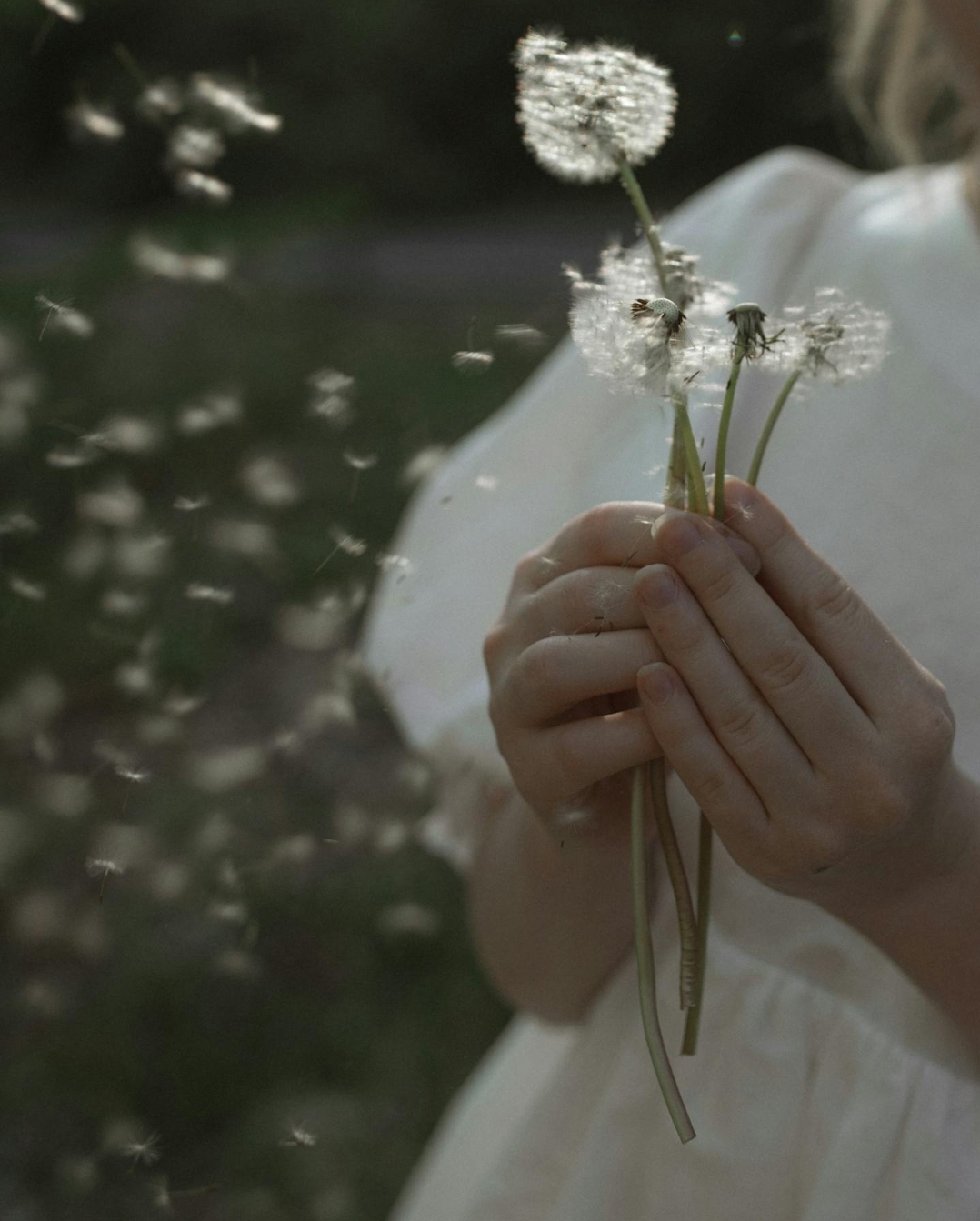
We are the dandelions of the human heart,
golden-headed and stubborn,
turning to seed when threatened,
releasing ourselves into wind
that carries us to places
they never thought to guard.

Every wish blown from our silver spheres
is a small rebellion,
a prayer cast into air
that refuses to recognize borders.

The homeowners association sent letters—
certified mail demanding compliance,
threatening fines for our unauthorized existence,
as if beauty required permits,
as if wildness could be taxed.

But we had already learned the secret:
that belonging is not about ownership,
that home is not a place
someone else allows you to inhabit.

We are the urban ecosystem
they never planned but cannot prevent,
the biodiversity that emerges
in the spaces between their control.

In vacant lots, we hold
the memory of what grew here before—
the oak trees that watched
the city's first houses rise,
the prairie grasses that once
whispered the names of indigenous children
who played in these same shadows.

When they poured concrete over the earth,
they thought they were writing
the final chapter,
but we are the epilogue
that writes itself.

We are the green shoots
pushing through earthquake cracks,
the life that returns
to tsunami-cleared ground,
the wildflowers that bloom
in abandoned nuclear zones.

We are proof that life
does not ask permission,
that survival is not
about following the rules
someone else wrote
before they knew we existed.

The real estate agents point us out
as problems to be solved—
"unsightly vegetation,"
"property value concerns"—
but we know our worth
is not measured in market rates.

We are the currency of resilience,
the investment that compounds
over generations,
paying dividends in oxygen and hope
to communities they forgot to zone for.

In winter, when they think we have died,
we retreat into roots,
into the deep democracy
of underground survival,
planning our spring uprising
in the council chambers
of earthworms and beetles.

We are the revolution that grows quietly,
the takeover that happens
one sprouting seed at a time,
the occupation that claims territory
through the radical act
of simply continuing to exist.

Nobody's rules could ever contain
the mathematics of our multiplication,
the physics of our spread,
the chemistry of our transformation
of soil that was deemed worthless
into gardens that feed the world.

We are what remains
when the permits expire,
when the leases run out,
when the developers move on
to other neighborhoods to improve.

We are the inheritance
the earth leaves itself,
the will and testament
written in chlorophyll and determination,
witnessed by rain and signed by sun.

Long after the last city planner retires,
long after the final zoning meeting adjourns,
we will be here,
writing our own ordinances
in the language of seasons,
governing ourselves
by the ancient law
that says life finds a way.

We are the proof
that nobody's rules
can stop the green insurrection
of hope taking root
in the cracks of their certainty,
blooming wild and ungovernable
in the spaces they forgot
to forbid us from loving.

Note
In this poem, I employ the central metaphor of urban wildflowers and weeds—particularly dandelions—as representatives of marginalized communities and individuals who persist and thrive despite systemic attempts to contain or erase them. Like the dandelions in “What Remains,” these botanical metaphors explore themes of resilience, unauthorized belonging, and the radical act of existing in spaces where one is not officially welcomed. The metaphor connects to the original work’s themes by celebrating the quiet revolution of persistence, showing how life finds ways to flourish in the margins and cracks of rigid systems, ultimately transforming the very landscapes that tried to exclude it.
#Poetry #UrbanResilience #Dandelion #Persistence #Belonging #SocialJustice #Nature #Resistance #SurvivalNarratives #WildflowerWisdom


Leave a Reply