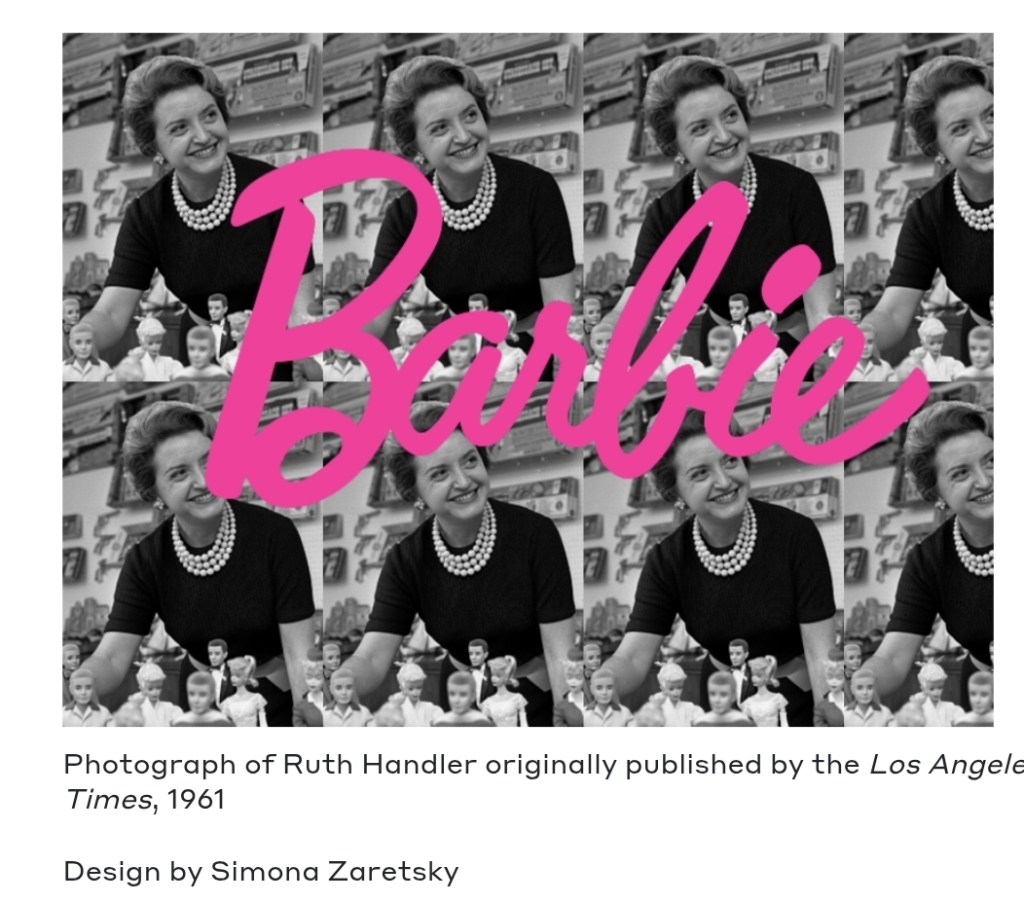
Sometimes the most revolutionary ideas come wrapped in the most unexpected packages. In Renée Rosen’s captivating historical fiction novel “Let’s Call Her Barbie,” that package stands exactly eleven-and-a-half inches tall, with perfect curves and an attitude that would reshape an entire industry.
This isn’t just another corporate biography disguised as fiction. Instead, Rosen delivers a masterfully crafted narrative that transforms the birth of an iconic doll into a compelling exploration of ambition, innovation, and the complex costs of success. The result is a book that manages to be both intimately personal and culturally significant.
The Vision Behind the Revolution
The story centers on Ruth Handler, co-founder of Mattel, whose eureka moment came during a family trip to Europe. There, she encountered the German Bild Lilli doll and recognized something profound: American girls needed a toy that let them imagine being grown-up women, not just mothers to baby dolls. This seemingly simple observation would eventually challenge societal norms and create a billion-dollar empire.
Rosen’s portrayal of Ruth Handler is both admiring and unflinching. She presents Handler as a woman of extraordinary vision and determination, yet doesn’t shy away from exploring the more difficult aspects of her personality. The Ruth Handler in these pages is driven, sometimes ruthless, and utterly convinced of her mission. She’s neither saint nor villain, but something far more interesting: a complex human being navigating uncharted territory.
A Multi-Layered Narrative Approach
What elevates this novel beyond typical biographical fiction is Rosen’s decision to weave multiple perspectives throughout the narrative. The story moves among the points of view of different characters, from Ruth, the “ruthless” leader, to Jack, the turbulent genius, to (fictional) Stevie, the up-and-coming outsider, illustrating various perspectives on how Barbie affected the people who worked on her and the culture she eventually influenced.
This multi-perspective approach serves several crucial functions. First, it prevents the story from becoming a one-dimensional celebration of Handler’s achievements. Second, it acknowledges the collaborative nature of innovation, recognizing that even revolutionary ideas require teams of talented individuals to bring them to life. Finally, it allows Rosen to explore the broader cultural implications of Barbie’s creation from multiple angles.
The fictional character of Stevie proves particularly effective as a narrative device. As an outsider entering the established world of Mattel, Stevie serves as both our eyes into the company culture and a representative of the broader societal reactions to Barbie. Through Stevie’s perspective, we see how the doll’s creation affected not just the toy industry, but the people working within it.
The Cultural Context That Shaped an Icon
Rosen demonstrates impressive skill in recreating the cultural landscape of 1950s America. In 1956, the only dolls on the market for little girls let them pretend to be mothers, reinforcing traditional gender roles and limiting imaginative play. Into this restrictive environment, Ruth Handler introduced a doll that embodied adult femininity, complete with curves, fashion sense, and unlimited career possibilities.
The author doesn’t simply tell us about the cultural resistance Barbie faced; she shows us through boardroom battles, marketing challenges, and social backlash. The novel captures the tension between innovation and tradition, between women’s changing roles and society’s comfort with those changes. These cultural dynamics feel authentic and help readers understand why Barbie became such a lightning rod for both celebration and criticism.
Character Development and Emotional Depth
While the historical context provides the backdrop, it’s the character development that drives the emotional core of the novel. Ruth Handler emerges as a fully realized character whose personal struggles mirror the broader challenges facing women in business during this era. Her determination to succeed in a male-dominated industry comes with personal costs that Rosen doesn’t minimize or romanticize.
The supporting characters are equally well-developed. Elliott Handler, Ruth’s husband and business partner, represents the delicate balance between personal and professional relationships in family-owned businesses. His character adds depth to the narrative by showing how innovation affects not just companies, but the families behind them.
Jack, described as the “turbulent genius,” embodies the creative tensions inherent in bringing revolutionary products to market. His character serves as a reminder that innovation often requires managing difficult personalities and conflicting visions. Through Jack’s perspective, we see how the pressure to create something unprecedented can both inspire and exhaust those involved.
The Craft of Historical Fiction
Rosen’s background as a USA Today bestselling author shows in every aspect of this novel’s construction. The pacing is expertly managed, building tension around key decision points while allowing quieter moments for character development. The dialogue feels authentic to the period without becoming stilted or overly formal.
The author’s research is evident but never overwhelming. Historical details are woven seamlessly into the narrative, providing context without stopping the story’s momentum. From boardroom politics to manufacturing challenges, from marketing strategies to cultural criticism, every element feels grounded in historical reality while serving the larger narrative purpose.
Thematic Resonance and Contemporary Relevance
Perhaps most impressively, “Let’s Call Her Barbie” manages to address themes that remain remarkably relevant today. The novel explores questions about female empowerment, corporate responsibility, and the unintended consequences of innovation. It asks whether products can be both liberating and limiting, whether success requires moral compromise, and how individual vision translates into cultural change.
The book also examines the price of being a pioneer. Ruth Handler’s journey illustrates how breaking new ground often means accepting criticism, misunderstanding, and isolation. Her story resonates with contemporary discussions about women in leadership, the challenges of innovation, and the responsibility that comes with cultural influence.

Literary Merit and Storytelling Excellence
This stands as one of the best historical fiction novels to emerge recently, with compelling characters and a fascinating look at the social and economic impact and influence of Barbie. Rosen’s ability to balance historical accuracy with narrative engagement creates a reading experience that educates without lecturing, entertains without trivializing.
The novel’s structure supports its thematic content perfectly. By moving between different time periods and perspectives, Rosen creates a sense of building momentum that mirrors the real-world development of the Barbie phenomenon. Each chapter adds layers to our understanding of both the characters and the cultural forces at play.
A Story That Transcends Its Subject
“Let’s Call Her Barbie” succeeds because it recognizes that the story of Barbie’s creation is really the story of how ideas become reality in America. It’s about entrepreneurship, creativity, and the courage to challenge conventional wisdom. It’s about the price of success and the complexity of cultural influence.
Rosen has created more than just a fictionalized biography; she’s crafted a meditation on innovation, ambition, and the unexpected ways that toys can reflect and shape society. The novel works on multiple levels: as entertainment, as historical education, and as commentary on the ongoing evolution of American culture.
This is historical fiction at its finest—a book that uses the past to illuminate the present while telling a story compelling enough to keep readers engaged from first page to last. Whether you’re interested in business history, women’s studies, or simply excellent storytelling, “Let’s Call Her Barbie” delivers on every front.
Rating: ★★★★★
A masterful blend of historical research and narrative craft that brings one of America’s most controversial cultural icons to vivid life.
#BookReview #HistoricalFiction #ReneeRosen #LetsCallHerBarbie #RuthHandler #Barbie #Mattel #WomenEntrepreneurs #1950sAmerica #BusinessHistory #ToyIndustry #FemaleEmpowerment #BiographicalFiction #CulturalImpact #Innovation #BookLovers #ReadingCommunity #HistoricalNovel #WomenInBusiness #AmericanHistory

 Poetry Hub
Hello. Thanks for visiting. I’d love to hear your thoughts! What resonated with you in this piece? Drop a comment below and let’s start a conversation.