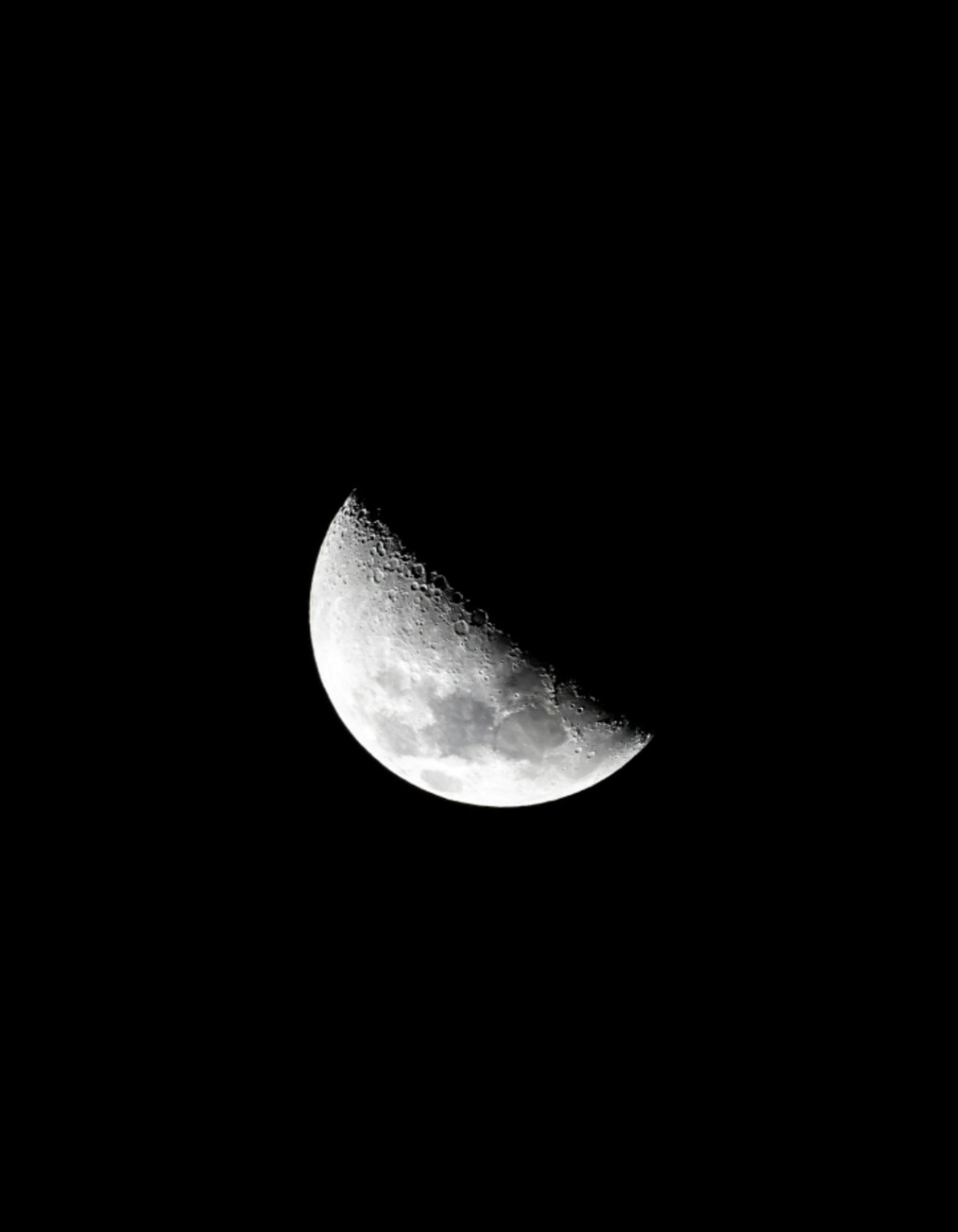
The Moon holds immense significance in Vedic astrology, governing our emotions, mental state, and daily rhythms. As we enter 2026, understanding lunar movements becomes essential for navigating life’s challenges and opportunities. This comprehensive guide explores the Moon’s influence throughout 2026 from an Indian astrological perspective.
Understanding the Moon’s Role in Vedic Astrology
Chandra, the Moon, represents far more than a celestial body. In Vedic astrology, the Moon functions as Manas Karaka, the significator of mind itself. It governs emotions, mental clarity, memory, and subconscious patterns. Unlike Western astrology’s emphasis on Sun signs, Indian astrology prioritizes the Moon sign, recognizing its profound influence on our psychological makeup.
The Moon’s rapid movement through the zodiac completes a full cycle in approximately 28 days. This swift transit makes it highly influential in our day-to-day lives. It affects moods, emotional responses, and mental states continuously. A strong Moon brings emotional stability, intuitive wisdom, and inner peace. Conversely, a weak or afflicted Moon can manifest as anxiety, mood swings, and mental restlessness.
The Moon also represents maternal energy, nurturing instincts, and our relationship with the mother figure. It reflects how we seek comfort, process feelings, and react to situations. Understanding the Moon’s placement in your birth chart reveals your emotional nature and psychological tendencies.
Moon Transit Patterns in 2026
The Moon changes its position every 2.5 days, making it the fastest-moving planet in Vedic astrology. Throughout 2026, the Moon will transit through all twelve zodiac signs multiple times, creating a continuous cycle of emotional and mental shifts.
January 2026 begins with the Moon moving through Gemini on January 2, followed by Cancer on January 4, and Leo on January 6. This pattern continues throughout the month, with the Moon touching each sign before completing its cycle. Each transit brings specific energies affecting different life areas based on your birth chart.
February sees similar patterns, with the Moon beginning in Leo on February 2 and continuing its journey. The waxing and waning phases create distinct periods of growth and introspection. Shukla Paksha, the waxing phase, supports new beginnings, growth, and expansion. Krishna Paksha, the waning phase, favors reflection, release, and spiritual practices.
The Moon’s journey through different Nakshatras adds another layer of complexity. There are 27 Nakshatras, each spanning 13 degrees and 20 minutes. The Moon spends roughly one day in each Nakshatra, bringing unique energies and influences. Understanding your birth Nakshatra helps you align with favorable lunar phases.
Lunar Phases and Their Significance
The lunar calendar divides each month into 30 Tithis, or lunar days. Each Tithi carries specific energy frequencies linked to planetary movements. These phases are not mere calendar divisions but reflect the dynamic interplay between Sun and Moon energies.
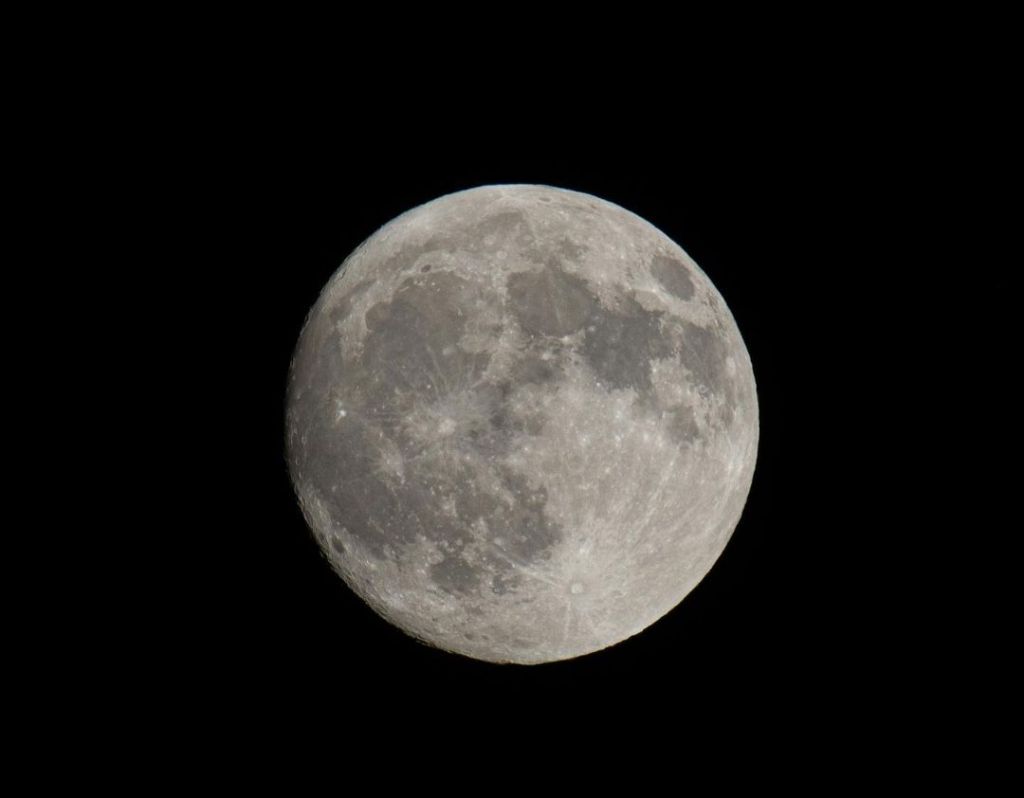
Full Moon dates for 2026 begin with January 3 at 3:33 PM Indian time. February’s Full Moon arrives on February 2 at 3:39 AM, followed by March 3 at 5:08 PM. Each Full Moon, or Purnima, represents peak energy, illumination, and manifestation. These nights are ideal for elaborate rituals, spiritual practices, and prayers aimed at higher consciousness.
New Moon phases, called Amavasya, occur on January 19, February 17, and continuing monthly. These represent times of introspection and new beginnings. Many consider Amavasya auspicious for starting spiritual practices and setting intentions. Devotees engage in meditation, honor ancestors, and perform rituals for blessings and prosperity.
The lunar phases directly influence emotional patterns. Full Moons bring heightened emotions and clarity, while New Moons encourage turning inward. The waxing phase between New and Full Moon supports action, growth, and manifestation. The waning phase supports letting go, introspection, and spiritual development.
Major Lunar Events in 2026
The year 2026 brings significant lunar events that will impact all zodiac signs. The most notable is the Total Lunar Eclipse on March 3, 2026. This Chandra Grahan will be visible across India, creating a powerful celestial influence.
The eclipse begins at 4:58 PM IST and ends at 7:53 PM IST. The totality phase lasts from 4:58 PM to 5:32 PM. This eclipse will be visible across most of Asia, Australia, North and South America. In India, the eclipse appears as total in northeastern states like Arunachal Pradesh, Assam, Meghalaya, and parts of West Bengal.
According to Vedic traditions, Sutak Kaal begins nine hours before the eclipse, starting at 9:39 AM on March 3. During Sutak, devotees avoid eating, drinking, and performing auspicious activities. The period is considered spiritually sensitive, requiring mindfulness and restraint.
This eclipse occurs when Ketu conjuncts the Moon, creating a Chandra Grahan Dosha. This alignment brings karmic lessons, emotional intensity, and opportunities for transformation. The eclipse in Leo challenges ego attachments and identity issues. It asks what parts of your identity no longer serve your growth.
A second Lunar Eclipse occurs on August 28, 2026, but this one won’t be visible from India. Therefore, Sutak Kaal won’t apply for Indian observers. This eclipse will be visible from North and South America, Europe, and parts of Africa.
Moon’s Influence on Different Zodiac Signs
Throughout 2026, the Moon’s transits will affect each zodiac sign uniquely. Understanding these influences helps you prepare and align with cosmic energies.
For Cancer natives, the Moon’s home sign, 2026 brings Jupiter entering Cancer mid-year. This creates exceptional opportunities for emotional growth, family harmony, and interpersonal relationships. Early months may test patience with Rahu-Ketu transits, but Jupiter’s arrival brings nurturing energy and marital prospects.
Leo experiences transformative lunar influences, especially during the March 3 eclipse. Ketu’s presence in Leo until December creates spiritual awakening but challenges ego structures. The Moon’s monthly transits through Leo bring moments of self-reflection and creative expression.
Gemini natives benefit from Jupiter’s extended presence in their sign until mid-year. The Moon’s frequent visits to Gemini enhance communication, learning, and social connections. However, maintaining emotional balance becomes crucial with Jupiter’s eventual departure.
For earth signs like Taurus, Virgo, and Capricorn, 2026’s lunar transits emphasize practical matters. The Moon’s journey through these signs focuses energy on work, health, and material stability. Saturn’s continued presence in Pisces affects earth signs differently based on their Moon sign placement.
Water signs – Cancer, Scorpio, and Pisces – experience heightened emotional sensitivity throughout 2026. The lunar eclipses particularly impact water signs, bringing deep emotional processing and karmic resolution. These signs should prioritize self-care and emotional boundaries.
Air signs – Gemini, Libra, and Aquarius – find mental stimulation through lunar transits. Communication, social connections, and intellectual pursuits receive emphasis. Rahu’s transit in Aquarius until early May adds intensity to air sign experiences.
Fire signs – Aries, Leo, and Sagittarius – channel lunar energy into action and leadership. Mars transits complement lunar movements, creating dynamic periods for initiative and courage. However, managing impulsiveness becomes important during certain lunar phases.
Remedies and Practices for Strengthening the Moon
Vedic astrology offers numerous remedies for strengthening lunar energy and gaining mental peace. These practices benefit everyone, regardless of birth chart placements.
Monday fasts, called Somvar Vrat, directly calm the Moon’s energy. Fasting helps gain emotional control and mental clarity. Many devotees observe partial fasts, consuming only fruits and milk. This practice reduces negative lunar influences and attracts abundance.
Offering milk or water to Shivling on Mondays brings mental clarity and emotional balance. Lord Shiva’s connection with the Moon makes this remedy particularly powerful. The offering should be done with devotion and pure intentions.
Chandra Mantra chanting strengthens lunar energy significantly. The primary Beej Mantra is “Aum Shraam Shreem Shroum Sah Chandramase Namah.” Chanting this mantra 11,000 times, or ideally 44,000 times following Kalyuga guidelines, brings profound benefits. A simpler alternative is “Aum Som Somaya Namah,” which can be chanted daily.
Wearing silver jewelry, especially on the little finger of the right hand, enhances lunar energy. The Moon associates strongly with silver. Eating from silver utensils or drinking water stored in silver vessels also strengthens the Moon.
Donating white items on Mondays creates positive karma. Rice, milk, white clothes, and white flowers are ideal donations. These acts of charity reduce negative lunar influences and open channels for prosperity.
Moon bathing, or Chandra Abhishek, involves sitting in moonlight for 15-20 minutes on Full Moon nights. This ancient practice calms the nervous system, increases receptivity, and aligns you with nurturing lunar energy. It proves especially beneficial for attracting prosperity through inner peace.
Pearl, the Moon’s gemstone, enhances positive lunar effects. However, pearls require careful consideration. They amplify both positive and negative lunar influences. Consult a qualified astrologer before wearing pearls. Alternatively, Chandra Yantra offers similar benefits without gemstone risks.
Practical Applications for 2026
Understanding lunar movements helps you time important activities optimally. The waxing Moon period favors starting new projects, making decisions, and taking action. Business launches, marriages, and property purchases find success during Shukla Paksha.
The waning Moon period suits introspection, letting go, and spiritual practices. This time benefits ending relationships, breaking bad habits, and focusing on inner work. Medical procedures, especially those involving reduction or removal, align better with waning Moon phases.
Each Nakshatra governs specific activities. Rohini Nakshatra, ruled by the Moon itself, proves auspicious for agriculture, arts, and beautiful endeavors. Punarvasu Nakshatra supports renewal and returning to fundamentals. Hasta Nakshatra favors detailed work and craftsmanship.
Avoid starting important activities during Panchak periods. These five-day periods occur when the Moon transits through specific final Nakshatras. In 2026, Panchak dates are listed in traditional Panchang calendars. These periods are considered inauspicious for major decisions.
Pay special attention to your birth Nakshatra days each month. When the Moon transits through your birth Nakshatra, you experience Janma Nakshatra transit. This day requires extra care and awareness. Avoid major decisions and practice mindfulness.
Conclusion
The Moon’s journey through 2026 offers countless opportunities for growth, healing, and transformation. By understanding lunar patterns, eclipse energies, and practical remedies, you align yourself with cosmic rhythms. The Moon teaches us to embrace both light and shadow, growth and release, action and rest.
Remember that astrology serves as a guide, not a rigid determinant. Your free will, conscious choices, and spiritual practices create your destiny. Use lunar wisdom to enhance awareness, make better decisions, and cultivate inner peace. As the ancient texts remind us, the Moon is the mind of all beings. Understanding the Moon means understanding the subtle core of existence itself.
Let 2026 be a year of lunar wisdom, emotional maturity, and mental clarity. Observe the Moon’s phases, honor its cycles, and allow its gentle yet powerful influence to guide you toward greater harmony and fulfillment.

 Poetry Hub
Hello. Thanks for visiting. I’d love to hear your thoughts! What resonated with you in this piece? Drop a comment below and let’s start a conversation.