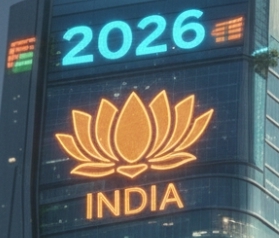
The Cosmic Blueprint for India’s Future
India stands at a transformative threshold as 2026 approaches. The year unfolds under the Parabhava Samvatsara, a period marked by profound karmic recalibration and spiritual maturation. Ancient Vedic wisdom suggests this cycle demands humility, disciplined effort, and wisdom-driven action. The planetary configurations paint a complex yet promising picture for the nation’s economic trajectory, political landscape, and collective consciousness.
The celestial government for 2026 assigns Jupiter as the ruling monarch and Mars as the minister. This combination indicates both expansion and assertive action will dominate the national narrative. When benefic Jupiter governs alongside fiery Mars, nations experience growth through strategic courage rather than passive acceptance.
Jupiter’s Exalted Journey: Blessing India’s Prosperity
Jupiter begins 2026 in Gemini, moving retrograde through Punarvasu Nakshatra. On March 11, the great benefic turns direct, signaling renewed optimism and clearer vision for national policies. The most auspicious transit occurs on June 2 when Jupiter enters Cancer, reaching its exalted position.
This exaltation period extends until October 31, creating a golden window for India’s economic expansion. Jupiter in Cancer amplifies emotional intelligence, nurtures domestic industries, and strengthens social welfare initiatives. International financial institutions project India’s GDP growth between 6.5 to 6.8 percent for fiscal year 2026. The Reserve Bank of India maintains an optimistic outlook at 6.8 percent, driven by robust domestic demand and favorable monsoon conditions.
Jupiter’s combustion from July 14 to August 13 creates a temporary pause. Auspicious works face delays during this window. However, once Jupiter emerges from combustion and transits through Pushya and Ashlesha Nakshatras, material prosperity flows more freely. The planet enters Leo on October 31, shifting focus toward leadership, innovation, and creative industries.
The technology sector stands to benefit immensely during Jupiter’s transit. India’s information technology industry targets revenues of $350 billion by 2026, contributing nearly 10 percent to the national GDP. Artificial intelligence, blockchain technology, and semiconductor manufacturing emerge as key growth drivers. Electronics production aims for $300 billion, supported by Production-Linked Incentive schemes that attract global manufacturers.
Saturn in Pisces: Karmic Restructuring and Discipline
Saturn remains stationed in Pisces throughout 2026, bringing long-term stability to India’s institutional framework. This placement emphasizes spiritual values, compassionate governance, and systematic reform. Saturn in the sign of Jupiter creates a unique balance between idealism and pragmatism.
The ringed planet turns retrograde on July 27, initiating a period of introspection regarding national infrastructure and administrative efficiency. Saturn’s backward motion continues until December 11, prompting reevaluation of policies and governance structures. This retrograde phase tests the durability of reforms implemented in previous years.
Infrastructure development accelerates under Saturn’s disciplined influence. The National Industrial Corridor Development Corporation oversees 11 industrial corridor projects across 32 development nodes. The Bharatmala Pariyojana progresses steadily, with over 19,826 kilometers of highways already constructed. The Delhi-Mumbai Expressway nears completion, promising to halve travel time between India’s political and commercial capitals.
Saturn’s transit through Uttara Bhadrapada and Revati Nakshatras emphasizes completion of karmic cycles. Projects initiated in previous years find fruition. The nation confronts unfinished business, particularly concerning social equity, rural development, and environmental sustainability. Water-related infrastructure receives heightened attention as Saturn in the watery sign of Pisces highlights flood management, irrigation systems, and clean water access.
Rahu-Ketu Axis: Innovation Meets Tradition
Rahu continues its transit through Aquarius for most of 2026, emphasizing technological innovation and unconventional thinking. The shadow planet moves through its own Satabhisha Nakshatra from November 23, 2025, until August 2, 2026. This period unleashes breakthrough innovations in medical research, pharmaceutical development, and digital infrastructure.
Aquarius represents the 11th house in the Kal Purush Kundli, governing gains, ambitions, and social networks. Rahu’s placement here accelerates India’s digital transformation initiatives. Government services increasingly move online, with artificial intelligence enabling predictive administration and blockchain reducing corruption through transparency. The Centralised Public Grievance Redress System handles over 26 lakh grievances annually with a 95 percent resolution rate.
However, Rahu’s illusionary nature brings challenges. The period between December 2025 and July 2026 demands vigilance against speculative bubbles, particularly in financial markets and cryptocurrency sectors. Mars conjunct Rahu during February-March 2026 creates volatile conditions requiring careful navigation.
Ketu in Leo emphasizes spiritual leadership and heartfelt service. The South Node transits through Purva Phalguni and Magha Nakshatras, bringing focus to cultural heritage, royal traditions, and authentic leadership. Ketu in Magha from March 29 to December 5 connects the nation with ancestral wisdom and traditional governance principles.
The nodal axis shifts dramatically on December 5, 2026. Rahu enters Capricorn while Ketu moves into Cancer. This transition marks a fundamental change in karmic direction, redirecting national focus toward practical achievements and emotional security.
Economic Outlook: Sectors Driving Growth
India’s manufacturing sector targets $1 trillion in output by fiscal year 2026. The sector contributes significantly to GDP while creating millions of jobs across micro, small, and medium enterprises. Electronics manufacturing experiences sixfold growth, with value addition jumping from 30 percent to 70 percent. The target reaches 90 percent by fiscal year 2027.
Semiconductor manufacturing represents the next frontier. Prime Minister Narendra Modi calls chips the “digital diamonds” of modern economy. Projects in Gujarat and Karnataka move from design to fabrication, with the first commercial multi-chip modules already shipped from Sanand in October 2025. Between 2025 and 2030, India establishes at least three operational semiconductor facilities supported by over 50 design startups.
The renewable energy sector surges ahead with remarkable momentum. India adds 20.1 gigawatts of clean capacity between April and August 2025, marking 123 percent growth compared to the previous year. Solar installations contribute 17.5 gigawatts while wind projects add 2.6 gigawatts. The nation races toward its 500-gigawatt renewable capacity target.
Solar module manufacturing capacity reaches 100 gigawatts, doubling between March 2024 and March 2025. Photovoltaic cell manufacturing capacity triples from 9 gigawatts to 27 gigawatts during the same period. The PM Surya Ghar Muft Bijli Yojana solarizes 2 million homes, transforming households into clean power producers.
Agricultural performance depends heavily on monsoon patterns. The India Meteorological Department forecasts above-normal rainfall at 106 percent of the Long Period Average for 2026. This bodes well for kharif and rabi crop yields, supporting rural economic recovery. Tractor sales grow 4 to 7 percent, reflecting agricultural prosperity.
Inflation Dynamics and Monetary Policy
India’s retail inflation falls to historic lows during 2025, reaching just 0.25 percent in October. The Reserve Bank of India revises its inflation forecast for fiscal year 2026 downward to 2.6 percent from earlier estimates. This creates space for accommodative monetary policy supporting economic growth.
The RBI maintains its repo rate at 5.5 percent while adopting a neutral stance. Headline consumer price index inflation remains within the target range. Food price deflation drives the overall decline, with vegetable and pulse prices decreasing significantly. The Goods and Services Tax rationalization reduces rates on solar modules and wind turbines from 12 percent to 5 percent, lowering capital costs and benefiting consumers.
Core inflation stays subdued through early fiscal year 2027, allowing the monetary policy committee flexibility in rate decisions. However, base effects create upward pressure in later quarters of 2026 as favorable year-ago comparisons fade. The central bank must balance growth support with inflation management.
Political Landscape: Elections and Governance
The year 2026 brings significant electoral contests across multiple states. Assembly elections scheduled in Assam, Kerala, Tamil Nadu, and West Bengal reshape regional political dynamics. These states collectively represent substantial parliamentary constituencies, making their assembly elections crucial for national politics.
Kerala holds elections in April 2026 to elect 140 assembly members. The Communist Party of India (Marxist)-led Left Democratic Front seeks to retain power after winning 99 seats in 2021. Tamil Nadu’s election determines whether the Dravida Munnetra Kazhagam continues its governance or faces challenges from opposition alliances.
West Bengal witnesses intense competition between the Trinamool Congress and Bharatiya Janata Party. The state’s 294 assembly seats make it a significant political battleground. Assam’s 126-member assembly election tests the United People’s Party Liberal’s governance under Chief Minister Himanta Biswa Sarma.
Puducherry’s 30-member assembly also faces elections in 2026, adding to the electoral calendar’s complexity. These contests influence coalition dynamics at the national level and shape policy priorities for the coming years.
Auspicious Planetary Yogas: Windows of Fortune
The year 2026 features exceptionally favorable planetary combinations. Three Guru Pushya Yogas occur on April 23, May 21, and June 18. These rare alignments between Jupiter and Pushya Nakshatra create windows of extraordinary fortune for beginning ventures, conducting ceremonies, and initiating significant life changes.
Six Ravi Pushya Yogas enhance 2026’s auspicious nature. These occur on January 4, February 1, March 1, October 4, November 1, and November 29. When the Sun aligns with Pushya Nakshatra, activities related to leadership, government initiatives, and public welfare gain divine blessing.
Gajakesari Raj Yoga forms in early 2026 when Jupiter and Moon occupy Kendras from each other. This powerful combination lasts approximately 54 hours starting January 2. Traditional texts consider this yoga among the most auspicious, bringing luck, wealth, and success to those with favorable birth charts.
Challenges and Opportunities: Navigating Volatility
Despite favorable astrological indicators, 2026 presents challenges requiring careful navigation. Mars conjunct Rahu during February-March creates potential for fire accidents, industrial mishaps, and geopolitical tensions. Cross-border security demands heightened vigilance, particularly in northwestern and northeastern regions.
The economic environment experiences volatility during certain periods. Real estate markets may slow as families reduce discretionary spending. Job market fluctuations create uncertainty for some sectors while others expand rapidly. The key lies in adaptability and strategic positioning.
Climate-related concerns persist as Saturn in Pisces highlights water management issues. Flooding, landslides, and rising sea levels require attention and proactive infrastructure investment. The above-normal monsoon brings both benefits and risks, with concentrated heavy rainfall potentially affecting crop sowing and growth.
Global economic uncertainties cast shadows over India’s export prospects. Trade tensions, shifting supply chains, and tariff negotiations influence manufacturing and services exports. However, India’s domestic demand-driven growth model provides resilience against external shocks.

Financial Markets: Celestial Guidance for Investors
Prominent market analysts project significant upside potential for Indian equity markets. Morgan Stanley forecasts the Sensex could reach 100,000 by June 2026 in its bull case scenario, assigning this outcome a 30 percent probability. The base case projects 85,000, while the bear case estimates 70,000.
These projections reflect earnings growth expectations of 19 percent annually through fiscal year 2028. The Sensex earnings per share forecast stands at 5,948 for fiscal year 2025. Policy support, liquidity easing, and GST rationalization worth Rs 15 lakh crore boost consumer demand and household balance sheets.
Technical analysts identify key resistance levels around 81,900, 83,250, 85,100, and 86,600 for the Sensex. Support emerges at 79,300 and 78,100 levels. The Nifty targets 27,000 with support at 24,500 levels. These projections align with Jupiter’s exalted transit through Cancer during mid-2026, traditionally favorable for market expansions.
However, investors must exercise caution during Jupiter’s combustion phase and Rahu’s intense transit through Satabhisha Nakshatra. Speculative activities require extra scrutiny, particularly involving emerging sectors like cryptocurrency and unlisted securities.
Foreign Relations: Strategic Autonomy and Multi-Alignment
India’s foreign policy continues evolving from strategic ambiguity toward greater clarity while maintaining multi-alignment principles. The nation balances relationships with the United States, Russia, European Union, and neighboring countries through pragmatic diplomacy.
Energy security remains paramount as India diversifies sources beyond traditional suppliers. Continued engagement with Russia for oil purchases coexists with strengthening ties with Gulf nations and exploring renewable partnerships globally. The Indo-Pacific region receives heightened focus through Quad engagements and bilateral relationships.
Trade negotiations gain importance as global tariff structures shift. A potential India-US trade deal could boost sentiment and reduce downside risks from protectionist policies elsewhere. China relations show signs of thawing, creating opportunities for controlled engagement while maintaining strategic vigilance.
Neighborhood-first policy guides engagement with South Asian nations. Infrastructure connectivity projects, cultural diplomacy, and economic partnerships strengthen regional integration. Central Asian republics receive attention through the Connect Central Asia policy, enhancing energy and security cooperation.
The Path Forward: Dharma-Driven Development
As Parabhava Samvatsara unfolds, India’s destiny favors those who combine wisdom with courage. Jupiter’s exalted position from June to October creates a sacred window for launching initiatives aligned with dharmic principles. Projects serving collective welfare, environmental sustainability, and inclusive growth receive cosmic support.
Saturn’s presence in Pisces reminds that lasting success requires patient effort and institutional strength. Quick fixes and shortcuts face karmic resistance. Instead, methodical implementation of well-designed policies yields sustainable results. Infrastructure development, educational reform, and healthcare expansion demand this long-term perspective.
The Rahu-Ketu axis shift in December marks a pivotal transition. As Rahu enters Capricorn, national focus moves from innovation for innovation’s sake toward practical applications creating tangible value. Ketu in Cancer emphasizes emotional security, family values, and cultural preservation alongside modernization.
India’s journey through 2026 reflects the eternal dance between tradition and transformation. Vedic astrological wisdom provides a celestial roadmap, but human effort determines actual outcomes. Those who align individual and organizational goals with cosmic rhythms while maintaining ethical foundations position themselves for unprecedented success during this transformative year.

Leave a Reply