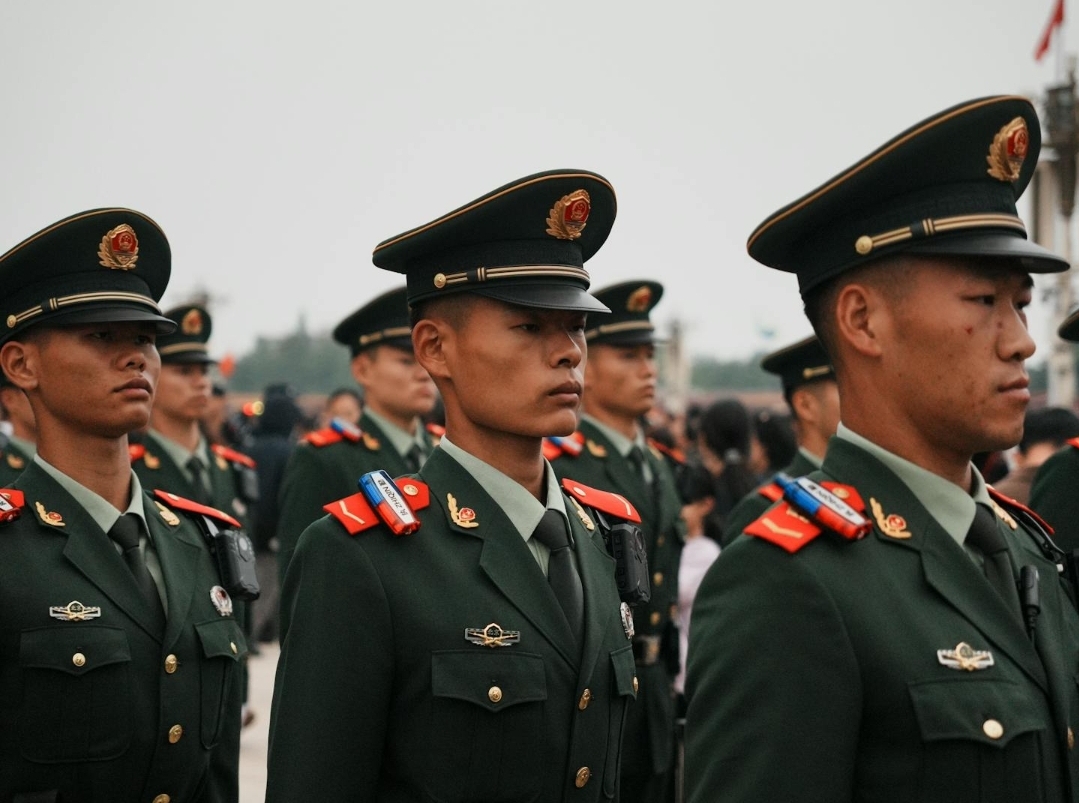
The world’s second-largest economy stands at a critical crossroads as 2026 approaches. Through the ancient lens of Vedic astrology, we uncover profound planetary movements that reveal China’s destiny in the year ahead. This analysis goes beyond conventional economics to explore the celestial blueprint governing the nation’s political, military, and economic landscape during this transformative period.
Understanding China’s Astrological Foundation
Before examining 2026 specifically, we must establish China’s birth chart—the astrological DNA from which all predictions flow. The People’s Republic of China’s horoscope is set for October 1, 1949, at 15:01:36 hours in Beijing, with Capricorn rising as the natal Lagna or ascendant. This birth moment captures the nation’s founding energy, lunar placement in Sravana Nakshatra, and the foundational planetary positions that continue to shape its destiny.
The Capricorn Lagna confers ambition, discipline, and long-term strategic vision upon the nation. This earth sign’s influence explains China’s meticulous planning and persistent pursuit of global dominance. However, Capricorn also carries challenging energies that demand accountability and create karmic limitations when ethical boundaries are transgressed. Within this birth chart, Saturn functions as the Lagna lord—a position of immense significance. Saturn’s placement indicates that China’s national destiny is intertwined with lessons of karma, responsibility, and eventual reckoning.
The 77th Varshphal: A Year of Dangerous Transformation
Vedic astrology employs a sophisticated annual forecasting system called Varshphal, which translates to “the fruit of the year.” Each year in a nation’s history carries its own distinct astrological identity, calculated from the moment of the Sun’s return to its original birth position.
The year 2025-2026 marks China’s 77th Varshphal—a particularly vulnerable configuration that Vedic scholars associate with crisis and major transformation. In this annual chart, Leo rises as the Lagna, representing the 8th house position in China’s natal horoscope. The 8th house in classical Vedic astrology signifies death, dissolution, hidden matters, and sudden reversals of fortune.
This placement alone signals danger. Leo’s fiery, authoritative nature clashes with the 8th house’s inherent instability, creating what traditional texts describe as a destabilizing influence. The Sun, Leo’s ruling planet, is positioned in the 2nd house of wealth and resources, aspected by a retrograde Saturn from the 8th house. This planetary combination points to severe leadership challenges and economic distress. Venus—the planet governing government reputation and foreign relations—occupies the Lagna in conjunction with Ketu, the south node of the Moon. Ketu represents karmic debts, secrets, and spiritual reckoning, inflicting direct affliction upon China’s governmental standing and diplomatic relationships.
Saturn’s Transit Through Pisces: Conflict and Neighborhood Upheaval
As Saturn transits through Pisces beginning March 29, 2025, and continuing through 2026, it moves into China’s 3rd house, positioned directly over the natal Rahu (the north node of the Moon). This placement activates conflict with neighboring nations, particularly India, Taiwan, and Japan.
Saturn in the 3rd house represents enemies, military aggression, and communications breakdown. When Saturn overlays the natal Rahu position, it amplifies misunderstandings and triggers confrontational impulses. The retrograde Saturn motion from July 2025 intensifies these effects, creating a period when aggressive military influences—represented by Mars in the 7th house—become increasingly activated. Vedic astrology teaches that Saturn’s retrogression brings karmic consequences to the surface.
The aspects Saturn receives from a retrograde Mercury (governing communication and diplomacy) and the Sun (symbolizing leadership authority) confirm that negotiations fail and diplomatic channels close. The transit dispositor Jupiter, positioned in the 12th house of loss and hidden enemies, ensures that foreign policy misadventures lead to unexpected setbacks and economic hemorrhaging.
Jupiter in Gemini: War, Enemy Strength, and Internal Strife
Jupiter’s transit into Gemini beginning May 14, 2025, positions this largest benefic planet in China’s 6th house—the house of enemies, diseases, litigation, and military conflict. Traditionally, a benefic planet in the 6th house is considered severely weakened, unable to extend its protective blessings.
The 6th house transit during this 12.5-month period emphasizes three critical themes: war, the gathering strength of adversaries, and diseases plaguing the nation. Jupiter’s natural expansiveness becomes perverted in this placement, potentially expanding conflicts rather than resolving them. Jupiter briefly enters the 7th house (Cancer) on October 19, 2025, offering temporary relief, but retrograde motion on December 4, 2025, pulls Jupiter back into Gemini, creating instability in foreign relations and trade partnerships.
The dual activation of the 6th and 8th houses—both traditionally inauspicious—by Jupiter’s transits creates what Vedic astrologers term a “Trik-house” affliction. When major planets activate multiple Trik houses, the year becomes inherently volatile and unfavorable for expansion, with contraction and loss becoming dominant themes. Moreover, Jupiter’s aspect onto Mars (the planet of war) and the Moon (representing the 7th lord of foreign policy) indicates serious war threats and severely strained international diplomacy.
The Navamsha Revelation: Aggressive Military Coordination
The Navamsha chart—the 9th harmonic division in Vedic astrology—provides insights into deeper spiritual and karmic dimensions. For China’s 77th Varshphal, the Navamsha reveals Aries rising, with Mars exalted in the 10th house and simultaneously occupying the 8th lord position.
Exalted Mars in the 10th house represents military strength and aggressive action taken from positions of governmental authority. However, Mars simultaneously governing the 8th house creates a dangerous paradox: military aggression spawns its own destruction. The exaltation suggests confidence and capability, while the 8th lordship indicates that these military moves ultimately lead to death, loss, and national trauma. This configuration strongly suggests coordinated military action, particularly involving Pakistan as an ally.
The Dasha Periods: Timing the Turbulence
Vedic astrology employs the Vimshottari dasha system—planetary periods governing specific timeframes and their associated results. China entered Mercury’s Mahadasha (main period) on February 17, 2025, and the Mercury-Venus antardasha runs through December 17, 2025.
Mercury, functioning as both the 6th and 9th lord, signifies challenges in diplomacy, war, and long-distance relationships. Conjunct the Sun (8th lord) and Ketu (karmic debts), Mercury’s period indicates catastrophic communication breakdowns and ideological confrontations. Beginning December 17, 2025, the Mercury-Sun antardasha activates through October 24, 2026. The Sun, as the 8th lord conjunct with Mercury and Ketu, triggers military conspiracy, covert operations, and mass casualties. This six-month window represents the most dangerous military period for 2026.
The subsequent Moon antardasha (October 24, 2026, to March 24, 2028) signals direct warfare or proxy conflicts with India, Taiwan, and potentially Japan, with the Moon’s 7th lordship combined with debilitated Mars aspects creating instability in partnerships and military adventurism leading to disaster.
Economic Contraction and Internal Instability
Beyond military concerns, Vedic astrology reveals severe economic challenges for 2026. The Sudershan Chakra progression—an annual technique measuring the Sun’s progressive movement through the natal houses—points to China’s 5th house during this period. The 5th house governs creative enterprise, speculative ventures, political authority, and the health of governmental institutions.
When this house receives affliction from Saturn and debilitated Mars, speculation fails, business ventures collapse, and political authority weakens through public dissent. Current economic trajectories already show weakness—real estate investment declining, youth unemployment rising, and domestic consumption remaining subdued. The 2026 astrological configuration guarantees these trends will intensify rather than reverse. Banks face increasing stress, currency pressures mount, and capital flight accelerates.
The Rahu-Ketu Nodal Axis and Historical Karmic Patterns
The nodal axis—formed by Rahu and Ketu, the lunar nodes—activates China’s natal Saturn throughout this period. Ketu’s transit over natal Saturn carries profound karmic significance in Vedic astrology. Historical observations consistently show that this configuration triggers economic decline and rising war-like tensions.
Ketu represents karmic completion and severance. When Ketu transits over Saturn (the Lagna lord governing national destiny), karmic cycles complete. Patterns established decades earlier reach their culmination point, demanding resolution. For China, this suggests historical patterns of aggression, economic overextension, and geopolitical overreach now demand their karmic price.
Planetary Conjunctions and Crisis Intensification
Throughout 2026, multiple planetary conjunctions amplify instability. Saturn, Mars, Mercury, and Venus will frequently occupy Pisces and Aquarius, creating a sustained period when malefic planets outnumber benefic influences.
April 2026 presents a particularly critical moment. Mars, Mercury, and Saturn converge in Pisces, with Ketu entering Magha Nakshatra—its own domain. This concentration of malefic energy creates a pivotal planning period when hidden military strategies crystallize. Historically, such conjunctions precede major geopolitical shifts within months.
Fire Horse Energy and Double Transformation
2026 marks the Chinese New Year transition to the Year of the Fire Horse, beginning February 17, 2026. The Horse archetype represents freedom, movement, and revolutionary change. The Fire element adds passion, intensity, and transformative power. In Chinese astrology, the Fire Horse year occurs once every 60 years, and historically brings significant geopolitical shifts and societal transformations.
Combined with Vedic astrology’s indications of crisis, the double fire energy (Fire Horse plus Vedic Mars emphasis) suggests revolutionary upheaval becomes possible. The Fire Horse tendency toward breaking free from constraints, merged with Vedic indicators of crisis and military activation, hints at unexpected developments. Traditionally rigid governmental structures face pressure to fundamentally reorganize or risk collapse.
Leadership Upheaval and Succession Questions
The 77th Varshphal’s Sun position in the 2nd house, aspected by retrograde Saturn, indicates leadership upheaval and authority questioning. Vedic astrology does not predict specific individuals’ fates without birth charts, but it indicates that governmental leadership faces challenges, criticism, and potential succession questions during 2026-2027.
The Sun’s aspection by Saturn suggests that authority figures face accountability and public questioning about decisions made. The 8th house Varshphal Lagna (Leo) symbolizes potential sudden transformations in leadership, whether manifesting as factional struggles, public pressure, or external circumstance forcing leadership changes.
Global Context and Timing Precision
For international observers, 2026 demands heightened attention to four distinct windows of maximum tension. The first arrives in March-April 2026, when Saturn stations direct and Mars, Mercury conjunctions activate. The second critical window spans June-July 2026, when Jupiter enters Cancer and multiple planetary shifts occur simultaneously.
The third sensitive period emerges in October-November 2026, triggered by Jupiter’s retrograde re-entry into Gemini. The final danger window extends from December 2026 into early 2027, when the Moon’s antardasha begins and direct military conflict becomes increasingly probable.
Economic Forecasting: Recession and Restructuring
The 2026 economic outlook based on Vedic analysis suggests an economic contraction accelerating toward the 4-5% growth range or lower. While this represents “modest” growth by global standards, it represents significant deceleration from China’s historical trajectory and creates internal stresses.
Real estate markets face continued pressure from Saturn’s malefic influence. Manufacturing sectors experience overcapacity issues intensifying. Export competitiveness declines as geopolitical tensions disrupt supply chains and international relationships deteriorate. The internal consumption crisis—already evident—becomes acute, with youth unemployment pressuring mounted, prompting governmental instability as politically restive younger populations lack economic opportunity.
Spiritual and Karmic Dimensions
Vedic astrology ultimately interprets physical events through a karmic lens. The 2026 configuration suggests China faces karmic accounting for policies and actions spanning recent decades. Aggressive military expansion, territorial claims exceeding legitimate borders, internal human rights challenges, and environmental degradation all generate karmic consequences.
The 8th house Varshphal Lagna represents spiritual transformation through crisis. While difficult, this configuration offers opportunity for profound national restructuring if leadership proves willing to fundamentally reconsider policies and directions.

Navigating the Challenges: Astrological Guidance
For those monitoring China’s 2026 trajectory, Vedic astrology suggests several observations. First, expect disruption rather than continuity. Second, military rhetoric escalates while actual military outcomes remain uncertain and often counterproductive to stated objectives.
Third, economic challenges prove more severe than official statistics acknowledge. Fourth, international relationships fundamentally recalibrate, with traditional alliances strained and new coalitions forming. Fifth, domestic political pressures intensify as economic conditions deteriorate and military ambitions face practical limitations.
The configuration does not indicate permanent decline but rather a critical transition year determining whether China charts a sustainable future or enters prolonged contraction. The 2026-2028 window proves pivotal for global geopolitics, with China’s trajectory influencing international stability across Asia, Europe, and beyond.
Conclusion: A Year of Reckoning
The year 2026 presents itself in Vedic astrology not as an ordinary year but rather as a turning point in China’s national destiny. The 77th Varshphal’s Leo Lagna in the 8th house, combined with Saturn’s transit through the 3rd house, Jupiter’s affliction in the 6th house, and multiple dasha combinations, creates a configuration warning of severe turbulence.
Military tensions escalate, economic growth decelerates, governmental legitimacy faces questioning, and international relationships become fraught. The Fire Horse year energy amplifies revolutionary potential for change and transformation. Yet challenge and opportunity remain two faces of the same cosmic moment. The turbulence of 2026 represents karmic reckoning—a moment when consequences of past policies materialize visibly, demanding acknowledgment and response.
For astrologers, geopolitical analysts, and observers worldwide, 2026 emerges as a crucial year demanding attention. The planetary configurations point toward a year unlike recent decades—a turning point when hidden patterns surface and new trajectories begin. Whether this transition proves constructive or destructive depends on choices made by leadership when faced with the year’s mounting pressures and multiple crises demanding simultaneous response. The stars have spoken. Now comes the crucial test—will China’s leadership listen to the cosmic wisdom encoded in 2026’s challenging planetary configuration, or will they repeat historical patterns that led to greater consequences? Vedic astrology provides the warning. The response remains in human hands.

Leave a Reply