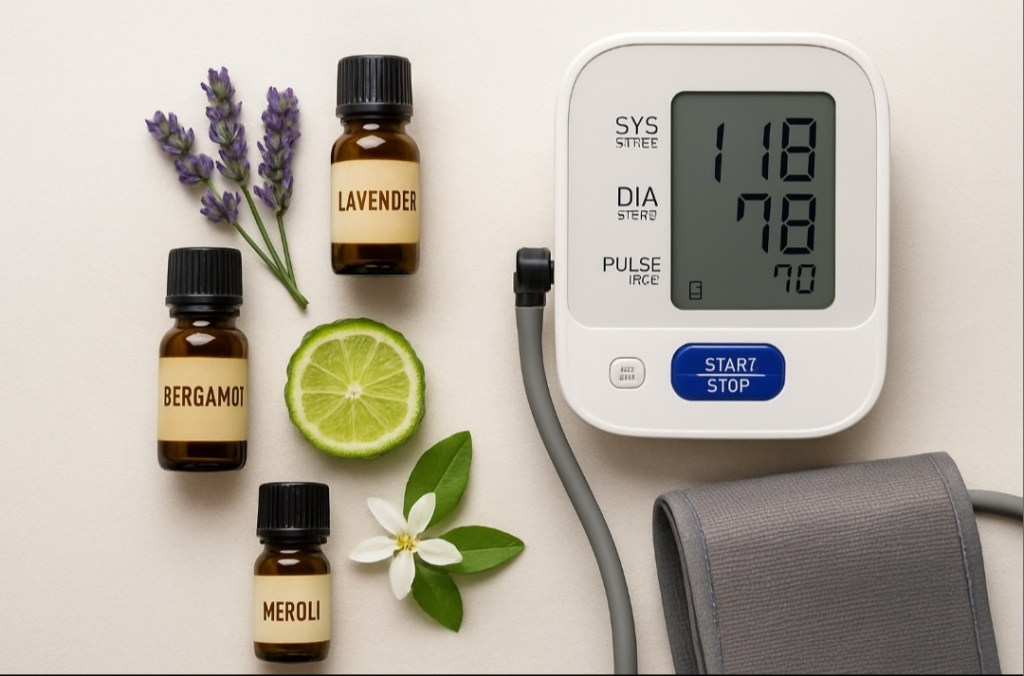
High blood pressure affects millions of people worldwide. It creeps up silently, often without symptoms. The consequences, however, are anything but quiet. Heart attacks, strokes, and kidney damage loom as real threats. While medications remain essential for many, nature offers supportive allies. Essential oils have emerged as promising complementary tools in blood pressure management.
These concentrated plant extracts do more than smell pleasant. They contain powerful chemical compounds with measurable effects on cardiovascular health. Understanding what each oil contains reveals why some work better than others.
Why Essential Oils May Help Regulate Blood Pressure
Stress triggers a cascade of hormonal responses. Cortisol floods your system. Heart rate increases. Blood vessels constrict. Over time, chronic stress keeps blood pressure elevated. Essential oils interrupt this cycle through multiple pathways.
When you inhale an essential oil, it stimulates your olfactory system. This connects directly to the limbic system in your brain. This region controls emotions, stress responses, and autonomic functions. The parasympathetic nervous system activates. Your body shifts from “fight or flight” to “rest and digest” mode.
A 2012 clinical study tested a blend of lavender, ylang-ylang, marjoram, and neroli on hypertensive subjects. Participants who inhaled this blend showed reduced 24-hour ambulatory blood pressure and lower salivary cortisol levels compared to control groups.
Dr. Blossom Kochhar, a pioneer in aromatherapy, explains that essential oils promote relaxation by increasing serotonin and dopamine production. These neurotransmitters naturally reduce stress and anxiety, thereby supporting healthy blood pressure levels.
The Top Blood Pressure-Regulating Essential Oils
Lavender essential oil stands as the most extensively researched option. Its calming reputation is well-earned. Lavender reduces both systolic and diastolic blood pressure by calming the nervous system and lowering heart rate.
Bergamot essential oil comes from citrus fruit rinds. It reduces cortisol levels and has anti-inflammatory properties. The distinctive citrusy aroma promotes positive mood while supporting cardiovascular function.
Ylang-ylang essential oil produces sedative effects that decrease heart rate. In a small study, men exposed to ylang-ylang fragrance showed slightly lower blood pressure compared to those in fragrance-free environments.
Clary sage essential oil possesses hypotensive properties. It reduces anxiety and cortisol levels, making it valuable for stress-induced blood pressure spikes.
Neroli essential oil regulates heart rhythm and reduces nervous heart conditions. It is particularly suitable for patients managing hypertension alongside anxiety.
Breaking Down the Chemical Powerhouses
Each essential oil contains dozens of chemical compounds. Some of these constituents appear repeatedly across multiple blood pressure-regulating oils. This overlap is not coincidental. These specific molecules drive the therapeutic effects.
Linalool: The Vascular Relaxer
Linalool is a monoterpene alcohol found abundantly in lavender, bergamot, and neroli oils. Research demonstrates remarkable cardiovascular benefits.
In hypertensive rats, oral linalool administration reduced blood pressure without changing heart rate. The mechanism involves direct effects on vascular smooth muscle. Linalool antagonizes calcium channel activity, inhibiting the contractions that tighten blood vessels.
A human study found that transdermal absorption of linalool induced deactivation of the cardiovascular system. Systolic blood pressure decreased significantly after linalool was administered to subjects.
Linalool also inhibits the proliferation and migration of vascular smooth muscle cells. These cells contribute to blood vessel thickening in chronic hypertension. By blocking the MAPK signaling pathway, linalool helps maintain healthy vascular structure.
Linalyl Acetate: The Endothelial Protector
Linalyl acetate appears prominently in lavender, bergamot, and clary sage oils. It accounts for 45-65% of clary sage oil’s composition.
This ester significantly reduces systolic blood pressure in laboratory models. It suppresses ischemic injury-induced oxidative stress by reducing NADPH oxidase activity. This protects blood vessel linings from damage.
Linalyl acetate increases endothelial nitric oxide synthase expression. Nitric oxide promotes vasodilation, allowing blood to flow more freely. This mechanism directly counters the vascular constriction that elevates blood pressure.
Research shows linalyl acetate reduces inflammatory markers like IL-6 and protects against ROS-induced endothelial suppression. Healthy endothelium is critical for proper blood pressure regulation.
D-Limonene: The Heart Protector
D-limonene comprises 30-45% of bergamot essential oil. This monoterpene offers cardioprotective effects through multiple pathways.
Studies show limonene reduces triglycerides, LDL cholesterol, and fasting blood sugar levels. These metabolic improvements support overall cardiovascular health. The compound also demonstrates anti-inflammatory activity by saturating cell membranes.
D-limonene produces bradycardia (slower heart rate) associated with hypotension in healthy subjects. It shows anti-arrhythmic properties both in living organisms and in isolated heart preparations.
Research identifies limonene as a promising substance for developing new therapeutic agents for cardiovascular diseases, including cardiac arrhythmias.
Beta-Caryophyllene: The Inflammation Fighter
This sesquiterpene appears in ylang-ylang oil. Beta-caryophyllene interacts with CB2 cannabinoid receptors, producing anti-inflammatory and vasorelaxant effects.
Animal studies demonstrate that beta-caryophyllene administration lowers blood pressure and decreases vascular inflammation. It reduces oxidative stress and improves endothelial function.
In a 2019 study, beta-caryophyllene reversed blood pressure alterations caused by cardiac stress. It also reduced levels of cardiac damage markers like creatine kinase and troponin. Inhaled beta-caryophyllene reduced arterial stiffness and cardiovascular disease risk in smokers.
Terpinen-4-ol: The Vascular Smoother
This monoterpene contributes to lavender oil’s effects. Studies show intravenous administration of terpinen-4-ol causes immediate, dose-dependent blood pressure reduction.
The mechanism involves vascular smooth muscle relaxation. Terpinen-4-ol inhibits electromechanical coupling in blood vessel walls, reducing constriction.
Alpha-Pinene: The Cardiac Shield
Found in neroli and frankincense oils, alpha-pinene demonstrates significant cardiovascular protective effects. Research shows it effectively alleviates cardiac injury through modulation of various signaling pathways.
Alpha-pinene has hypotensive effects associated with changes in heart rate. It protects against oxidative damage that contributes to vascular dysfunction.
Nerolidol: The Antioxidant Guardian
This sesquiterpene alcohol appears in neroli oil. Nerolidol improves cardiac function in hypertensive subjects by reducing cardiac hypertrophy.
Studies show oral nerolidol efficiently reduces blood pressure and ameliorates hypertension-induced cardiac effects. It works by reducing oxidative stress markers and enhancing antioxidant defense systems. Echocardiography analysis confirmed that nerolidol improved ejection fraction and fractional shortening in hypertensive models.
1. 5 Essential Oils to Help Warm Up Your Cold Feet https://pebblegalaxy.blog/2023/02/18/the-history-and-many-applications-of-essential-oils-for-health-and-well-being/
Geranyl Acetate: The Nitric Oxide Booster
Present in ylang-ylang and neroli oils, geranyl acetate demonstrates diuretic and anti-hyperuricemic properties. It shows strong binding with nitric oxide synthase.
Nitric oxide plays a crucial role in blood vessel relaxation. By influencing this pathway, geranyl acetate may help maintain healthy blood pressure levels. Research suggests potential benefits for individuals with hypertension and related kidney conditions.

How to Use Essential Oils Safely
Inhalation remains the most common method. Add 10-15 drops to an ultrasonic diffuser. Use intermittent settings for 20-30 minutes at a time. Alternatively, place a drop on a tissue and inhale deeply.
Topical application requires proper dilution. Never apply essential oils directly to skin. Mix 12 drops of essential oil with 2 tablespoons of carrier oil like jojoba or coconut. Massage onto pulse points at wrists and temples.
Aromatic massage combines both methods. Self-administered aroma foot massage significantly decreased systolic and diastolic blood pressure in one study. It also reduced anxiety scores and improved mental health-related quality of life.
Important Safety Considerations
Essential oils are highly concentrated. They contain active ingredients that can cause adverse reactions if misused. Always dilute before topical application. Start with lower concentrations and increase gradually.
Consult a healthcare professional before using essential oils, especially if you take blood pressure medications. Some oils may interact with prescription drugs. Pregnant or breastfeeding women should seek medical guidance first.
Never substitute essential oils for prescribed medications. They work best as complementary tools alongside conventional treatment and healthy lifestyle practices.
Quality matters significantly. Choose therapeutic-grade oils from reputable sources. Poor-quality products may contain adulterants that reduce effectiveness or cause harm.
Practical Takeaways
Essential oils offer genuine support for blood pressure management when used correctly. The science backs up traditional uses. Compounds like linalool, linalyl acetate, and limonene produce measurable cardiovascular effects.
Start with lavender or bergamot for general relaxation. These oils have the strongest research support. Use a diffuser during stressful moments or before sleep. Consider diluted topical application for extended effects.
Combine aromatherapy with proven lifestyle modifications. Regular exercise, stress management through meditation, reduced sodium intake, and adequate sleep amplify benefits. Track your blood pressure regularly to observe any changes.
Nature provides powerful allies in the quest for cardiovascular health. Understanding the science behind essential oils empowers you to use them wisely and effectively.
Recommended other articles for Your Blood Pressure and overall health:
- 5 Essential Oils to Help Warm Up Your Cold Feet
- The History and Many Applications of Essential Oils for Health and Well-Being
- Self-Care for Self-Discovery: Nurturing Your Mind, Body, and Spirit
- How to Stay Motivated and Consistent with Your Exercise and Healthy Eating Habits During Challenging Times
- Unlocking the Trifecta of Health: Exploring the Interplay Between Body, Mind, and Spirit


 Poetry Hub
Hello. Thanks for visiting. I’d love to hear your thoughts! What resonated with you in this piece? Drop a comment below and let’s start a conversation.