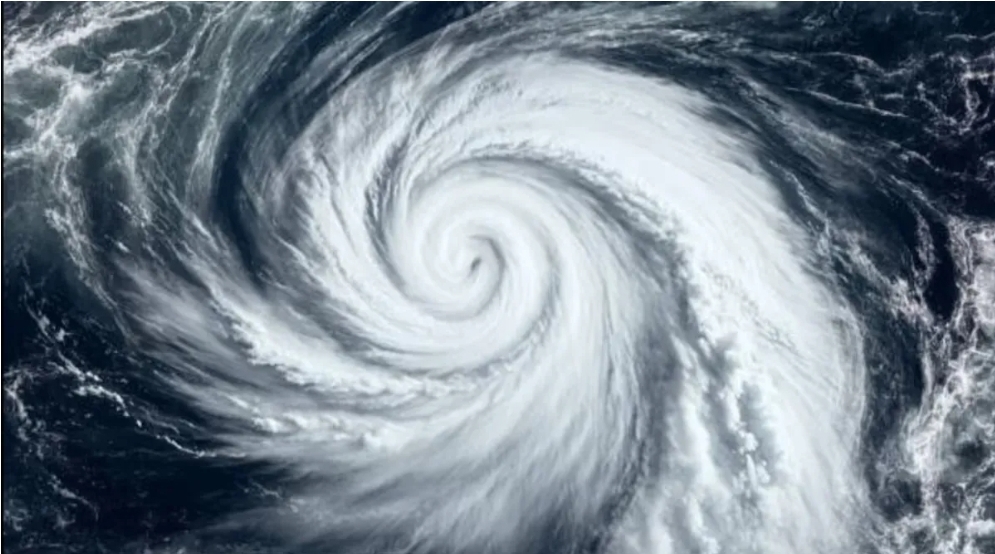
Cyclone Senyar, named by the United Arab Emirates and meaning “lion,” has emerged as a powerful storm system in the North Indian Ocean. This article delves into the formation of Cyclone Senyar, its expected impact on southern India, and the measures taken by authorities to mitigate its effects. By understanding the dynamics of this cyclone, we can better appreciate the challenges it poses and the steps being taken to address them.
The Genesis of Cyclone Senyar
Cyclone Senyar began as a low-pressure system over the Strait of Malacca and the adjoining areas of northeast Indonesia. The India Meteorological Department (IMD) reported that this system intensified into a cyclonic storm, with wind speeds reaching 70-80 km/h, gusting up to 90 km/h. The name “Senyar,” which means “lion,” was submitted by the UAE as part of the North Indian Ocean regional cyclone naming system. The naming of tropical cyclones is a collaborative effort among 13 member countries of the WMO/ESCAP Panel on Tropical Cyclones, ensuring a diverse and culturally significant list of names.
The formation of Cyclone Senyar is a testament to the complex interactions between the ocean and atmosphere. Favorable sea surface temperatures and atmospheric conditions allowed the low-pressure system to strengthen, eventually leading to the formation of a cyclonic storm. As the system moved west-southwestwards, it maintained its intensity, posing a significant threat to the regions it would soon impact.
The Path of Destruction
As Cyclone Senyar progressed, it began to affect the Andaman and Nicobar Islands first. The IMD issued heavy rainfall warnings for these islands, predicting isolated heavy to very heavy rainfall from November 26 to 29. The impact of the cyclone was not limited to the islands; it also posed a significant threat to the southern Indian states of Tamil Nadu, Kerala, coastal Andhra Pradesh, Yanam, and Lakshadweep. The potential for heavy rainfall, isolated flooding, and rough sea conditions was a cause for concern, prompting authorities to issue precautionary measures.
The IMD’s forecasts indicated that the cyclone would bring heavy to very heavy rainfall to Tamil Nadu, with the possibility of extremely heavy rain on November 29 and 30. Coastal Andhra Pradesh, Yanam, and Rayalaseema were also expected to experience heavy to very heavy showers on November 29 and 30. The situation was further complicated by the presence of another low-pressure area over the southwest Bay of Bengal, which was expected to intensify into a depression and move towards the coasts of North Tamil Nadu and Puducherry.
The Human and Environmental Impact
The impact of Cyclone Senyar on the affected regions was multifaceted. Heavy rainfall triggered flooding in several areas, particularly in Tamil Nadu, where districts like Thiruvarur and Thoothukudi experienced severe waterlogging. The floods not only disrupted daily life but also posed significant challenges for the local communities, including the displacement of residents and damage to infrastructure. The economic implications were equally severe, with agricultural lands and crops at risk due to the heavy rains and potential flooding.
In addition to the immediate physical damage, the cyclone also had psychological and social impacts. The uncertainty surrounding the cyclone’s path and intensity created anxiety among residents, especially those in vulnerable coastal and inland districts. The authorities, recognizing the potential for widespread disruption, advised residents to stay indoors, monitor official updates, and secure their property. These measures were crucial in minimizing the human toll of the cyclone.
Preparing for the Storm
In the face of such a formidable natural disaster, preparation was key. The IMD and state governments worked in tandem to provide timely updates and advisories to the public. Fishermen were advised to avoid venturing into the sea, and coastal communities were put on high alert. Schools and offices in vulnerable areas were closed, and emergency services were placed on standby to respond to any incidents.
The cyclone also highlighted the importance of disaster management and preparedness. The coordination between the IMD and state governments demonstrated the need for robust emergency response systems. The use of modern forecasting technologies and early warning systems played a critical role in mitigating the potential damage caused by the cyclone.
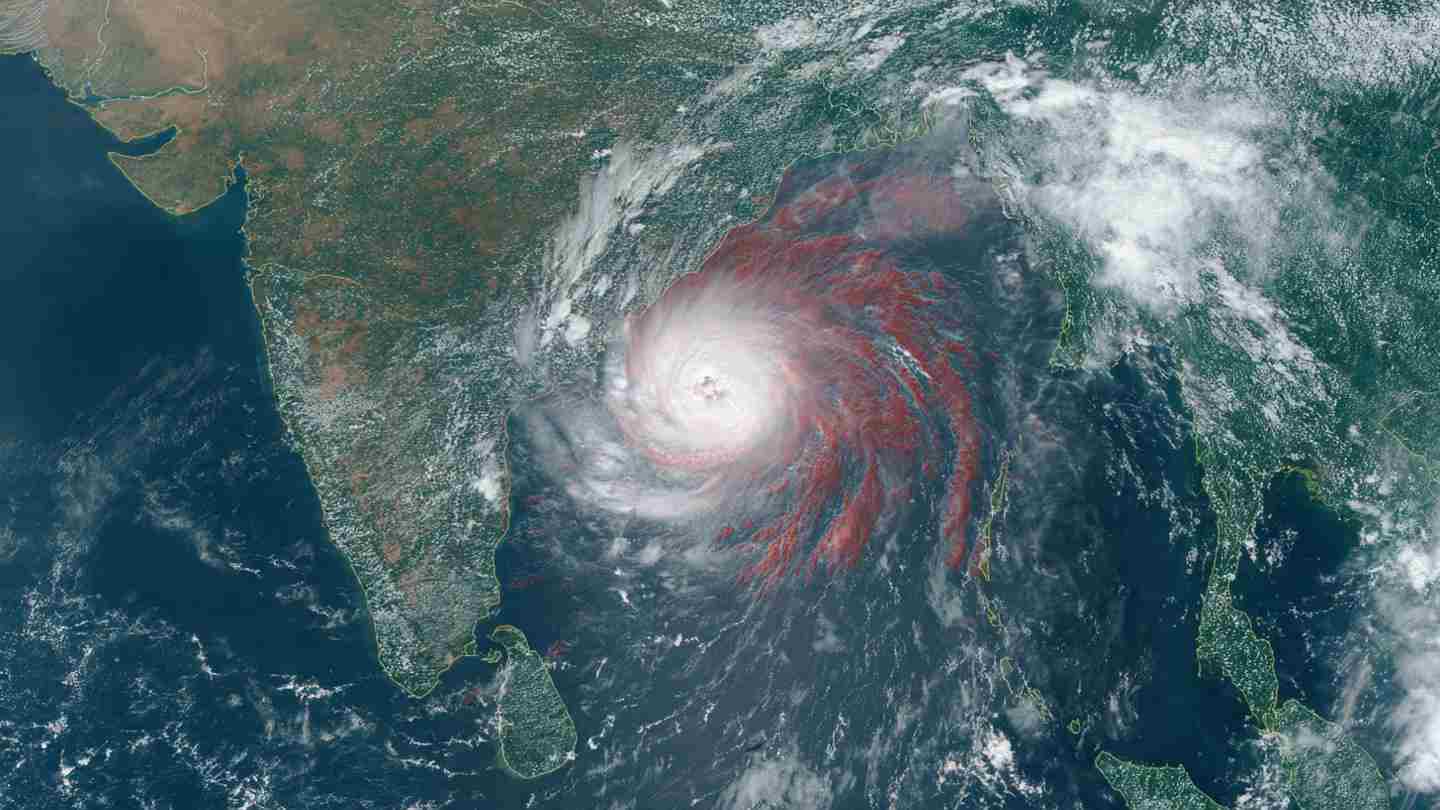
Cyclone forming in the Indian Ocean, posing potential risks to coastal regions.
The Aftermath and Recovery
As the cyclone moved on, the focus shifted to recovery and rebuilding efforts. The affected regions faced the daunting task of assessing the damage and initiating the recovery process. Government agencies and non-governmental organizations mobilized resources to provide relief to the affected communities. The immediate priority was to ensure the safety and well-being of the residents, followed by the restoration of essential services and infrastructure.
The experience of Cyclone Senyar served as a reminder of the importance of preparedness and resilience in the face of natural disasters. It also underscored the need for continued investment in early warning systems and disaster management strategies. The lessons learned from this event will be invaluable in shaping future responses to similar threats.
Key Takeaways
- Formation: Cyclone Senyar originated from a low-pressure system over the Strait of Malacca and intensified into a cyclonic storm.
- Impact: The cyclone brought heavy rainfall and strong winds to the Andaman and Nicobar Islands, Tamil Nadu, Kerala, coastal Andhra Pradesh, and Yanam.
- Preparation: Authorities issued warnings and advisories, emphasizing the importance of preparedness and community awareness.
- Recovery: Post-cyclone recovery efforts focused on assessing damage and providing relief to affected communities.
Frequently Asked Questions
Q: What is the name of Cyclone Senyar and what does it mean?
A: The name “Senyar” means “lion” and was submitted by the United Arab Emirates.
Q: Which regions are most affected by Cyclone Senyar?
A: The Andaman and Nicobar Islands, Tamil Nadu, Kerala, coastal Andhra Pradesh, Yanam, and Lakshadweep are the most affected regions.
Q: What precautions should residents take during a cyclone?
A: Residents should stay indoors, monitor official updates, secure property, and follow evacuation instructions if issued.
Q: How does the naming of cyclones work in the North Indian Ocean?
A: Names are submitted by the nations of the region concerned in a rotating list maintained by the Regional Specialized Meteorological Centre, New Delhi (IMD).

 Poetry Hub
Hello. Thanks for visiting. I’d love to hear your thoughts! What resonated with you in this piece? Drop a comment below and let’s start a conversation.