
Poetry, long regarded as one of humanity’s oldest art forms, is undergoing one of its most profound transformations in centuries. Once confined largely to printed pages, academic circles, and live readings, poetry today moves fluidly across digital platforms, social media feeds, performance spaces, AI interfaces, and multilingual communities. This shift is not merely about new formats—it reflects deeper changes in how poetry is created, distributed, experienced, and valued across cultures.
From Instagram poems read by millions to AI-assisted verse experiments, from spoken-word performances going viral on TikTok to renewed global interest in poetry books, the contemporary poetry ecosystem is expanding rather than fragmenting. This article explores the emerging trends shaping global poetry, grounded in current research and authoritative cultural data, to understand where poetry stands today—and where it may be heading.
Poetry in Context: A Global Resurgence
Contrary to long-held assumptions that poetry is a niche or declining art form, recent research shows that poetry is experiencing a measurable global resurgence.
According to data highlighted by the National Endowment for the Arts (NEA), poetry readership in the United States has reached approximately 29 million adults, with notable growth among younger readers under 30. When digital formats and streamed poetry are included, poetry engagement rises significantly beyond traditional print metrics (NEA via Arts.gov).
This resurgence is not limited to the US. Global publishing data indicates that poetry book production and sales have increased steadily since the early 2020s, particularly in the US, UK, India, and Canada. Digital platforms, self-publishing, audiobooks, and live-streamed readings have expanded poetry’s reach beyond conventional literary markets.
The key driver behind this revival is technology, not as a replacement for poetic tradition, but as an amplifier—altering how poetry circulates and how audiences encounter it.
The Rise of Social Media Poetry
Instapoetry and Visual Minimalism
One of the most visible shifts in contemporary poetry is the rise of instapoetry, a term used to describe poetry designed for visual-first platforms such as Instagram.
Instapoetry typically features:
- Short, free-verse poems
- Minimalist language
- Strong emotional clarity
- Visual presentation using typography, white space, and imagery
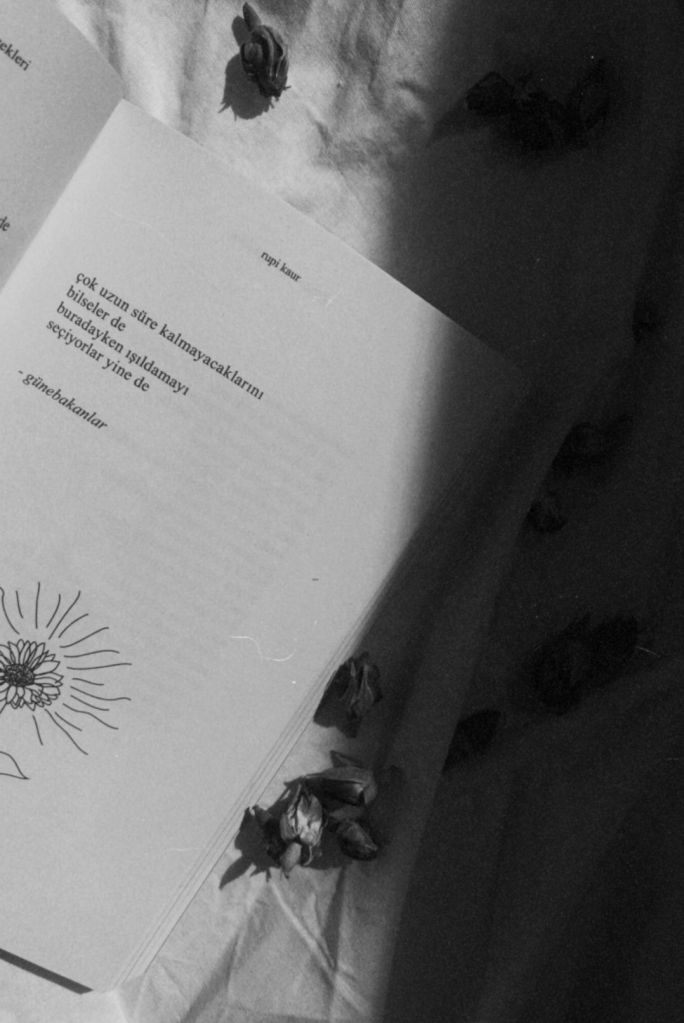
According to cultural analysis published by Euronews (2025), Instagram has become one of the largest informal poetry publishing platforms in the world. Poets such as Rupi Kaur, Atticus, and Nayyirah Waheed have collectively reached millions of readers, many of whom had little prior engagement with poetry.
Rupi Kaur alone has sold over 12 million copies worldwide, with her books translated into more than 40 languages, demonstrating how social media visibility can translate into sustained literary success.
While instapoetry has faced criticism for perceived simplicity, its impact on poetry’s accessibility and readership is undeniable. It has lowered entry barriers for both writers and readers, fostering global participation in poetic discourse.
TikTok and the Spoken-Word Renaissance
If Instagram reshaped poetry visually, TikTok has revitalized poetry as performance.
The #PoetryTok community has grown rapidly, with poets sharing:
- Spoken-word performances
- Hybrid poetry-music videos
- Confessional and narrative poems
- Socially and politically engaged verse
Euronews reports that TikTok has become a major discovery engine for contemporary poets, particularly younger voices and marginalized communities. The platform favors authenticity, voice, and emotional immediacy, echoing earlier spoken-word traditions while expanding them into digital space.
This resurgence of performance poetry has blurred the lines between:
- Poetry and music
- Poetry and theatre
- Poetry and digital storytelling
As a result, poetry is increasingly experienced not only as text, but as sound, movement, and presence.
Experimental Forms and Hybrid Aesthetics
Beyond social media, contemporary poetry is embracing experimentation across form, language, and medium.
Free Verse and Confessional Modes
Research on modern poetic trends shows a continued shift toward:
- Free verse over formal meter
- Confessional and autobiographical themes
- Exploration of mental health, identity, trauma, and intimacy
This trend reflects broader cultural shifts toward openness and vulnerability in artistic expression. Digital platforms, which reward emotional resonance and personal storytelling, further accelerate this movement.
Multilingual and Transnational Poetry
Globalization and digital connectivity have encouraged poets to write across languages or incorporate multiple linguistic traditions within a single work.
According to UNESCO-aligned cultural initiatives and World Poetry Day programming, poetry is increasingly used to:
- Preserve endangered languages
- Promote translation and cross-cultural dialogue
- Bridge diasporic and transnational identities
Multilingual poetry festivals and digital publications now connect poets from Africa, South Asia, Southeast Asia, Europe, and the Americas, creating a truly global poetic conversation.
Artificial Intelligence and the Future of Poetic Creation
One of the most debated developments in contemporary poetry is the rise of AI-assisted and AI-generated poetry.
Market research from Research and Markets indicates that the AI-generated personalized poetry market is growing at a compound annual growth rate of nearly 30%, projected to exceed $3 billion globally by 2029. These tools are increasingly used for:
- Personalized poems (gifts, commemorations)
- Creative prompts and drafting assistance
- Stylistic experimentation
Importantly, current studies suggest that most poets use AI collaboratively, not as a replacement for human creativity. AI functions as a tool—similar to earlier technological shifts such as word processors or digital publishing platforms.
However, AI also raises complex questions:
- What defines authorship?
- Can emotional authenticity be simulated?
- How do we preserve human voice in algorithmic systems?
These debates are now central to discussions in contemporary poetics and literary ethics.
Publishing, Platforms, and Market Shifts
Growth in Poetry Publishing
According to compiled industry data:
- Poetry book sales rose approximately 7–10% year-on-year in major English-language markets during the early 2020s.
- Self-publishing accounts for nearly 40% of new poetry titles globally.
- Digital formats—including ebooks and audiobooks—represent roughly one-third of poetry consumption in developed markets.
This diversification has reduced dependence on traditional publishing gatekeepers, enabling more experimental, niche, and culturally specific poetry to reach audiences.
Audio Poetry and Podcasts
Poetry podcasts, audiobooks, and live-streamed readings have become important distribution channels. Audio formats revive poetry’s oral roots while aligning with contemporary listening habits shaped by podcasts and streaming culture.
Implications for Poets and Readers
The evolving poetry landscape carries significant implications:
Democratization of Access
Digital platforms allow poets from diverse backgrounds to publish and build audiences without institutional backing.
Changing Craft Expectations
Poets increasingly consider:
- Visual presentation
- Audio delivery
- Platform-specific formats
This does not replace traditional craft but expands its dimensions.
Audience Expansion
Younger readers, particularly Gen Z and Millennials, engage with poetry at higher rates than previous generations, often encountering poetry first through digital media.
Critical Considerations and Tensions
Despite its growth, contemporary poetry faces ongoing challenges:
- Algorithmic influence may encourage trend-driven writing over slow, complex craft.
- Critical divides persist between traditional literary institutions and digital poetry communities.
- Digital saturation can reduce longevity and deep reading.
These tensions are not signs of decline, but of an art form negotiating its evolution.
Global Perspectives and Cultural Diversity
Poetry festivals and initiatives across the world—from Europe’s World Poetry Day celebrations to Africa’s Lagos International Poetry Festival and Southeast Asia’s digital poetry communities—demonstrate that poetry’s revival is global, not localized.
Each region adapts poetic practice to its cultural, linguistic, and technological realities, enriching the global poetic ecosystem rather than homogenizing it.
Conclusion: Poetry in Motion
Poetry today exists in motion—between page and screen, voice and text, human and machine, local and global. Emerging trends reveal not a dilution of poetry, but an expansion of its possibilities.
As research, readership data, and cultural practice all indicate, poetry remains a vital medium for reflection, resistance, intimacy, and connection. Its current transformations suggest that poetry is not merely surviving the digital age—it is actively reshaping itself within it.
For platforms like pebblegalaxy.blog, this moment offers a unique opportunity: to document, analyze, and participate in a global poetic renaissance that is still unfolding.

 Poetry Hub
Hello. Thanks for visiting. I’d love to hear your thoughts! What resonated with you in this piece? Drop a comment below and let’s start a conversation.