A Personal Reflection Before the Chant Begins
There are moments when I do not begin with action.
I begin with stillness.
Before writing a difficult paragraph, before starting something uncertain, before crossing an inner threshold I cannot yet name, I find myself returning to a familiar sound — ॐ श्री गणेशाय नमः.
It is not habit. It is alignment.
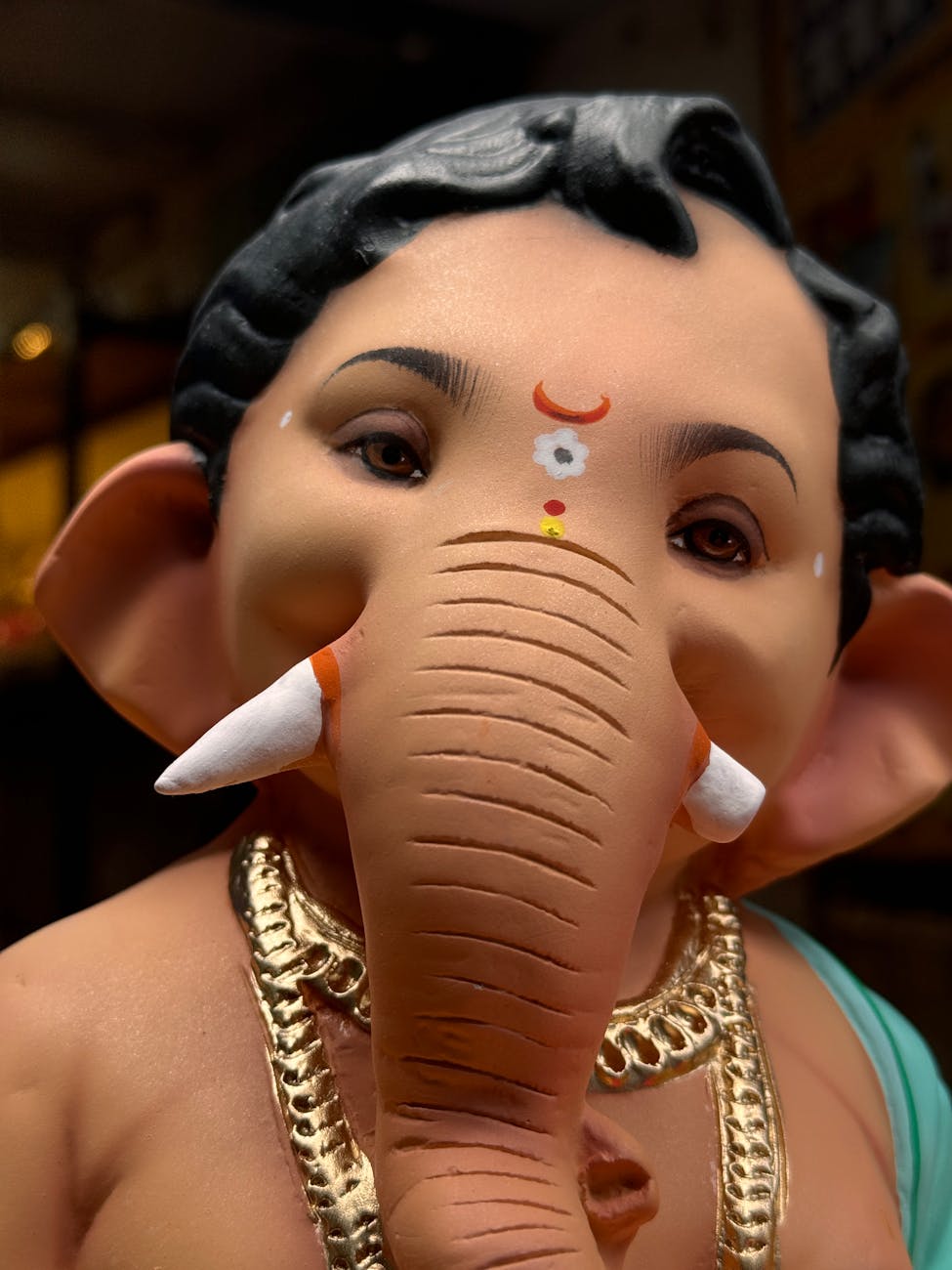
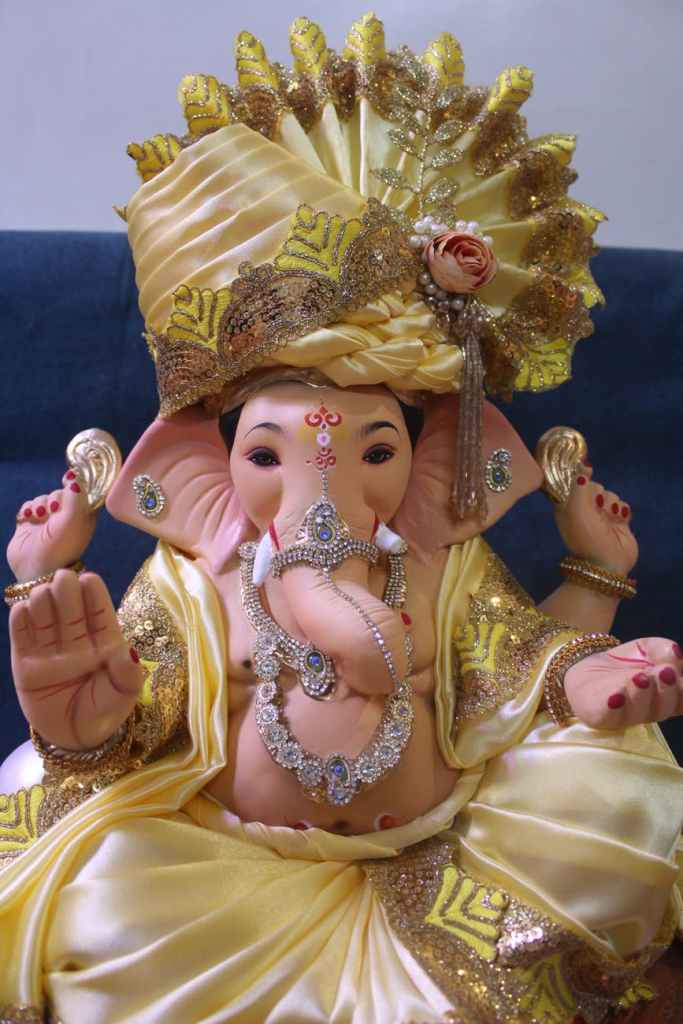
Ganesh is not merely a deity I pray to. He is a reminder of how to begin — slowly, consciously, without rushing the intelligence of the moment. His form appears playful, even paradoxical, yet every symbol carries a quiet instruction for living.
The verses below have followed me through starts and stops, confidence and doubt. What follows is not just an explanation of a Ganesh stotra, but an exploration of why these words still matter — inwardly, psychologically, and cosmically.
ॐ श्री गणेशाय नमः — Meaning and Inner Significance
This opening line is not a salutation alone; it is a recalibration of awareness.
ॐ (Om) is the primal vibration — the sound that contains creation, preservation, and dissolution. Chanting Om is an act of tuning oneself to the deeper rhythm beneath thought.
श्री (Shri) invokes auspiciousness, grace, and harmony — not only wealth, but balance.
गणेशाय (Ganeshaya) refers to Ganesh as the lord of gana — multitudes, systems, forces, and inner faculties.
नमः (Namah) is surrender — the softening of ego.
Inner meaning:
I align my small, restless self with the intelligence that governs beginnings and complexity.
Vakratunda Mahakaya: Understanding Ganesh Through Form
वक्रतुंड महाकाय सूर्यकोटि समप्रभ
वक्रतुंड (Vakratunda) — the curved trunk.
Wisdom does not move in straight lines. Ganesh’s trunk teaches adaptability — the art of bending without losing strength.
महाकाय (Mahakaya) — vast-bodied.
True intelligence holds contradictions without collapsing.
सूर्यकोटि समप्रभ (Suryakoti samaprabha) — radiant like a million suns.
This is clarity that dissolves confusion rather than fighting it.
Symbolic insight:
Obstacles are navigated through flexibility, spaciousness, and illumination — not force.
Nirvighnam Kuru Me Deva: The Prayer Behind Every Beginning
निर्विघ्नं कुरु मे देव सर्वकार्येषु सर्वदा
This is the most human line in the stotra.
निर्विघ्नं (Nirvighnam) — without obstacles, outer and inner.
Fear, hesitation, and self-doubt are also vighnas.
कुरु (Kuru) — make it so.
Not a wish, but a conscious invocation.
सर्वकार्येषु सर्वदा (Sarvakaryeshu sarvada) — in all actions, always.
Not just sacred acts — daily life.
Inner meaning:
May my actions flow from clarity, not resistance.
Vighneshwara: Why Ganesh Is the Lord of Obstacles
विघ्नेश्वराय वरदाय सुरप्रियाय
Ganesh is not only the remover of obstacles — he is their master.
विघ्नेश्वर (Vighneshwara) — lord of obstacles.
Obstacles are teachers, not enemies.
वरदाय (Varadaya) — giver of boons.
The boons are patience, timing, discernment.
सुरप्रियाय (Surapriyaya) — beloved of higher intelligences.
Harmony between human effort and cosmic order.
Lambodara: The Sacred Art of Digesting Life
लम्बोदराय सकलाय जगद्धिताय
लम्बोदर (Lambodara) — the large belly.
Ganesh can digest joy, grief, success, and failure without rejection.
सकलाय (Sakalaya) — all-inclusive.
Nothing is excluded from awareness.
जगद्धिताय (Jagaddhitaya) — for the welfare of the world.
Wisdom serves beyond the self.
Elephant Face and Sacred Adornments
नागाननाय श्रुतियज्ञविभूषिताय
नागानन (Naganana) — elephant-faced.
Memory, strength, gentleness, and intelligence in balance.
श्रुति (Shruti) — that which is heard.
Wisdom begins with listening.
यज्ञ (Yajna) — conscious offering through action.
Ganesh is adorned not with jewels, but with attention and awareness.
Son of Gauri, Leader of the Ganas
गौरीसुताय गणनाथ नमो नमस्ते
गौरीसुत (Gaurisuta) — son of the nurturing force of nature.
Wisdom rooted in compassion.
गणनाथ (Gananatha) — leader of collectives.
Mastery over inner chaos and outer complexity.
The repetition of namo namaste reinforces humility.
The Final Stanza: Sorrow, Sweetness, and Surrender
गजाननं भूत गणादि सेवितं
कपित्थ जम्बू फल चारु भक्षणम्
Ganesh is served by elemental forces — instincts and emotions brought into harmony.
The fruits he consumes symbolize earned sweetness, not indulgence.
उमासुतं शोक विनाशकारकं
नमामि विघ्नेश्वर पाद पंकजम्
He dissolves sorrow not by denial, but by insight.
The lotus feet represent grounded purity — untouched by the mud of chaos.
Inner meaning:
I place my restless mind at the foundation of clarity.
Why This Ganesh Stotra Still Matters
This is not a prayer asking life to be easy.
It is a reminder to be intelligent in difficulty.
To bend where needed.
To digest what arrives.
To begin with humility.
To act with awareness.
In a world obsessed with speed and certainty, Ganesh teaches something quieter:
Begin well.
Move wisely.
Let clarity lead.
PebbleGalaxy Closing Note
Every time I return to these verses, I realize they are less about worship and more about orientation — how to stand, how to start, how to stay human amid complexity.
And perhaps that is why Ganesh is always invoked first.
As I’ve written earlier about mindfulness and present-moment awareness in Understanding the Satipatthana Sutta: The Four Foundations of Mindfulness in Buddhism, beginning with stillness brings clarity to any spiritual or creative journey.


 Poetry Hub
Hello. Thanks for visiting. I’d love to hear your thoughts! What resonated with you in this piece? Drop a comment below and let’s start a conversation.