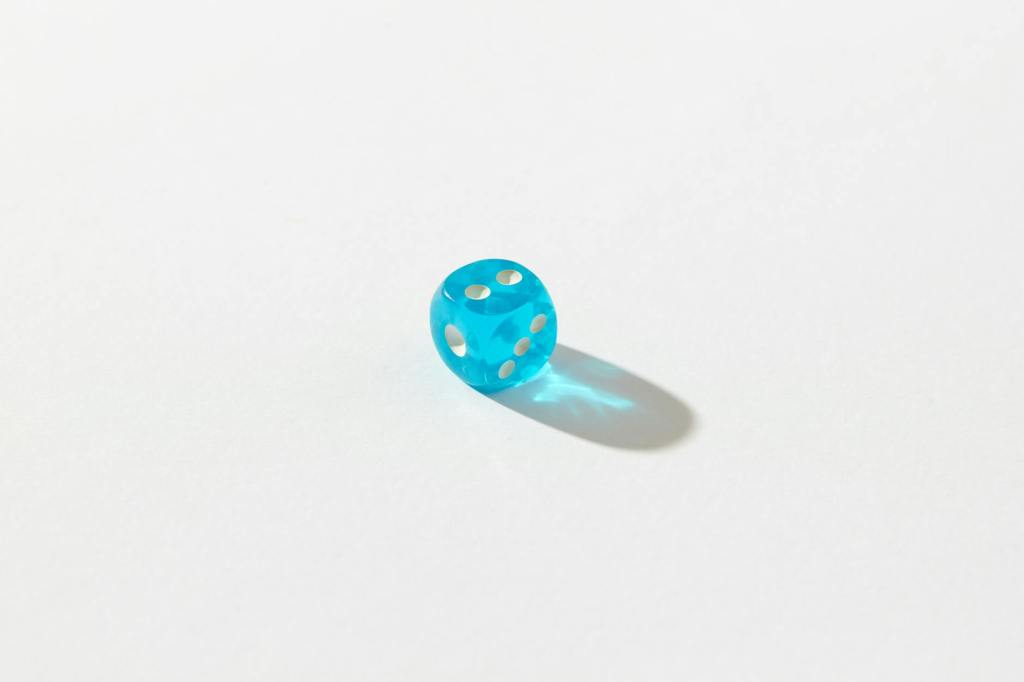
If my inner critic had a name,
it would be Pebble.
Not a blade.
Not a storm.
Not a voice that shouts.
A pebble.
Something small enough to ignore
and heavy enough
to change the way you walk.
Pebble did not arrive all at once.
It was slipped into me
over years.
A grain at a time.
A lesson disguised as care.
A warning disguised as wisdom.
Pebble learned early
how to sit quietly.
How to wait.
How to become part of the landscape
so I would forget
it was ever placed there.
Pebble lives behind my sternum,
where decisions hesitate.
Where breath pauses
before it becomes courage
or retreats into habit.
It does not insult me.
It does something worse.
It measures.
Pebble keeps its own geometry.
Angles of doubt.
Distances between who I am
and who I might have been
if I had trusted myself sooner.
Pebble speaks in calibrated sentences:
That’s not quite enough.
You could do better.
Others have already done this, and better.
It never says don’t.
It says almost.
Almost is its favorite word.
Almost brave.
Almost honest.
Almost worthy of being heard.
When I wake before dawn,
the world still unassembled,
Pebble is already awake,
polishing yesterday.
It reminds me
of the pause I mistimed,
the silence that lasted too long,
the sentence that arrived late
and uninvited.
Pebble says:
You should have known.
It always assumes knowledge
I was never given.
Outside, the sky bruises into morning.
Clouds drift
like unfinished thoughts.
Birds practice leaving
without rehearsing the consequences.
Pebble watches them and says nothing,
which is how it wins.
At the river,
where water erases its own footsteps,
Pebble presses deeper.
You see? it says.
Even water knows how to let go.
Pebble is not impressed by metaphors
unless they indict me.
I sit on the bank
and think about erosion.
How rock becomes sand
not by violence
but by patience.
Pebble understands patience.
Pebble is patience.
It has waited through my ambitions,
through my declarations,
through every version of myself
that announced arrival too soon.
Pebble knows how often
I mistook movement for meaning.
How often I dressed fear
as discernment.
Pebble remembers
every time I chose safety
and called it maturity.
Sometimes Pebble borrows voices.
Not strangers—
that would be too easy to resist.
It wears the tone
of people who loved me imperfectly.
People who meant well.
People who believed restraint
was the same as wisdom.
That is how Pebble stays credible.
It says:
I’m only trying to help you survive.
Pebble believes the world
is a place that rewards precision
and punishes excess.
Especially emotional excess.
Especially visibility.
Especially wanting.
Pebble distrusts hunger.
It believes longing
is a flaw in design.
At night, under a sky
crowded with dead stars still shining,
I finally ask Pebble
what it is protecting.
The silence is long.
Not empty—
dense.
The cosmos expands around us,
indifferent and immense.
Galaxies tear themselves apart
and call it creation.
Nothing here is modest.
Pebble answers softly:
I am protecting you from loss.
Not failure.
Not humiliation.
Loss.
Pebble remembers the first time
something precious was taken
without explanation.
The first time I learned
that care could be conditional.
That presence could vanish
without warning.
Pebble was formed then.
Pressure made it.
Fear polished it smooth.
Pebble believes that if I remain small,
I will remain intact.
Pebble does not understand
that intact is not the same
as alive.
Stars do not remain intact.
They burn.
They fracture.
They scatter themselves
into futures they will never see.
No one calls that recklessness.
They call it physics.
Pebble does not trust physics.
It prefers control.
Edges.
Predictable weight.
Pebble believes
that if I am always assessing,
I will never be surprised.
But surprise is where meaning enters.
Pebble grows heavier
whenever I approach truth.
It presses down
when words gather
too close to honesty.
It says:
Is this necessary?
Is this wise?
Is this safe?
Pebble confuses safety
with virtue.
I have carried it
through cities,
through relationships,
through versions of myself
that learned how to shrink
without being asked.
Pebble is why I rehearse conversations
that never happen.
Why I edit feelings
before they form sentences.
Why joy sometimes arrives
already apologetic.
Pebble has impeccable timing.
Just as I begin to trust the ground,
it reminds me
that ground can give way.
And it’s not wrong.
But it’s not complete.
One night, walking alone,
the sky split open
with stars so dense
they felt like an accusation.
I realized something.
Pebble is small
because it had to be.
Anything larger
would have been noticed.
Anything louder
would have been questioned.
Pebble survived
by pretending to be reasonable.
By calling itself realism.
By passing as intelligence.
I have mistaken it for insight
more times than I can count.
Now, when Pebble speaks,
I ask better questions.
When it says:
Who do you think you are?
I answer:
Someone still becoming.
When it says:
You will regret this,
I say:
Regret is not the same as ruin.
When it says:
Stay where you are known,
I look at the sky
and remember
that even constellations
change shape
depending on where you stand.
Pebble grows quiet then.
Not gone.
Just unsettled.
Like something realizing
it is no longer the sole narrator.
I still carry Pebble.
I always will.
But now I understand
its true scale.
It is not the center.
It is not the axis.
It is a remnant.
A fragment of an older gravity
that no longer governs the whole.
I am learning
how to walk with it
without letting it dictate
the slope of my spine.
I am learning
that thought does not have to be
a courtroom.
That selfhood does not require
constant cross-examination.
Some mornings,
Pebble reminds me
how small I am.
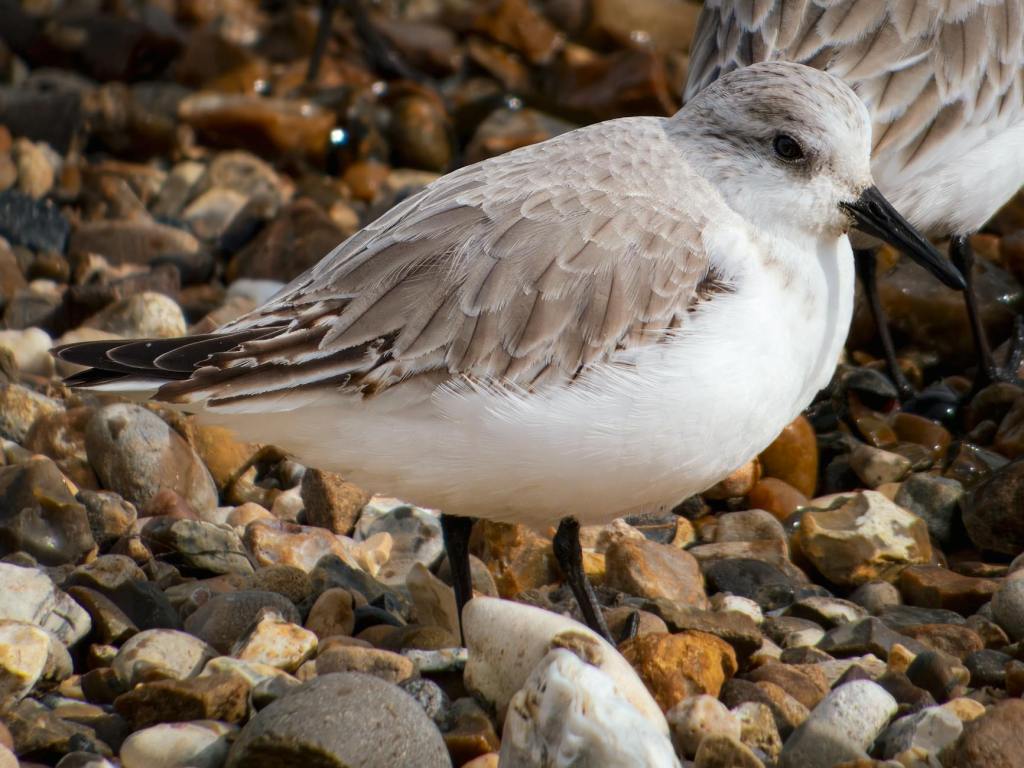
And I let it.
Because I have learned
that smallness
is not the opposite of significance.
Atoms are small.
Seeds are small.
Questions that alter lives
often begin quietly.
Pebble no longer frightens me.
It tells me where I’ve been.
Not where I must remain.
If my inner critic has a name,
it is Pebble.
And I no longer confuse
its weight
with truth.
I place it down sometimes—
by rivers,
under stars,
inside moments that refuse
to be measured.
And when I pick it up again,
it feels lighter.
Not because it has changed,
but because
I have learned
how vast I am
around it.

 Between Stars & Silence
Hello. Thanks for visiting. I’d love to hear your thoughts! What resonated with you in this piece? Drop a comment below and let’s start a conversation.