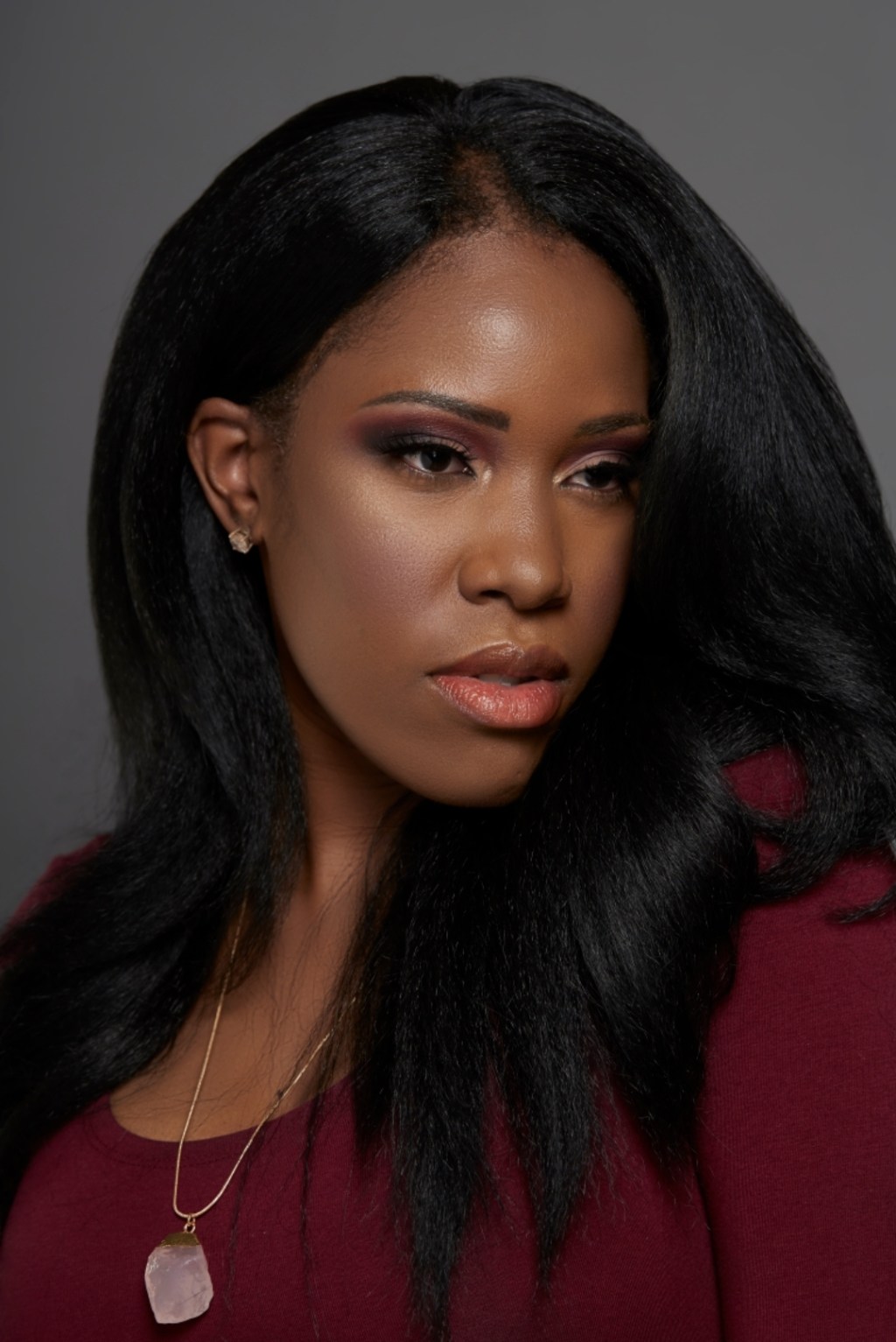
An Interview with Lisa K. Stephenson
There are certain books that do not end when you close them.
They linger in the body.
You hear them in music you didn’t know you were humming.
You feel them in the way your shoulders hold a memory.
Reading Lisa K. Stephenson is something like that.
Perhaps it begins in the Bronx, where her earliest language was shaped not only by neighborhood rhythms but by a family steeped in African American studies and Caribbean lineage—Kingston echoing through conversation. Or perhaps it begins later, in college at Utica, when writing became less of a pastime and more of a reckoning.
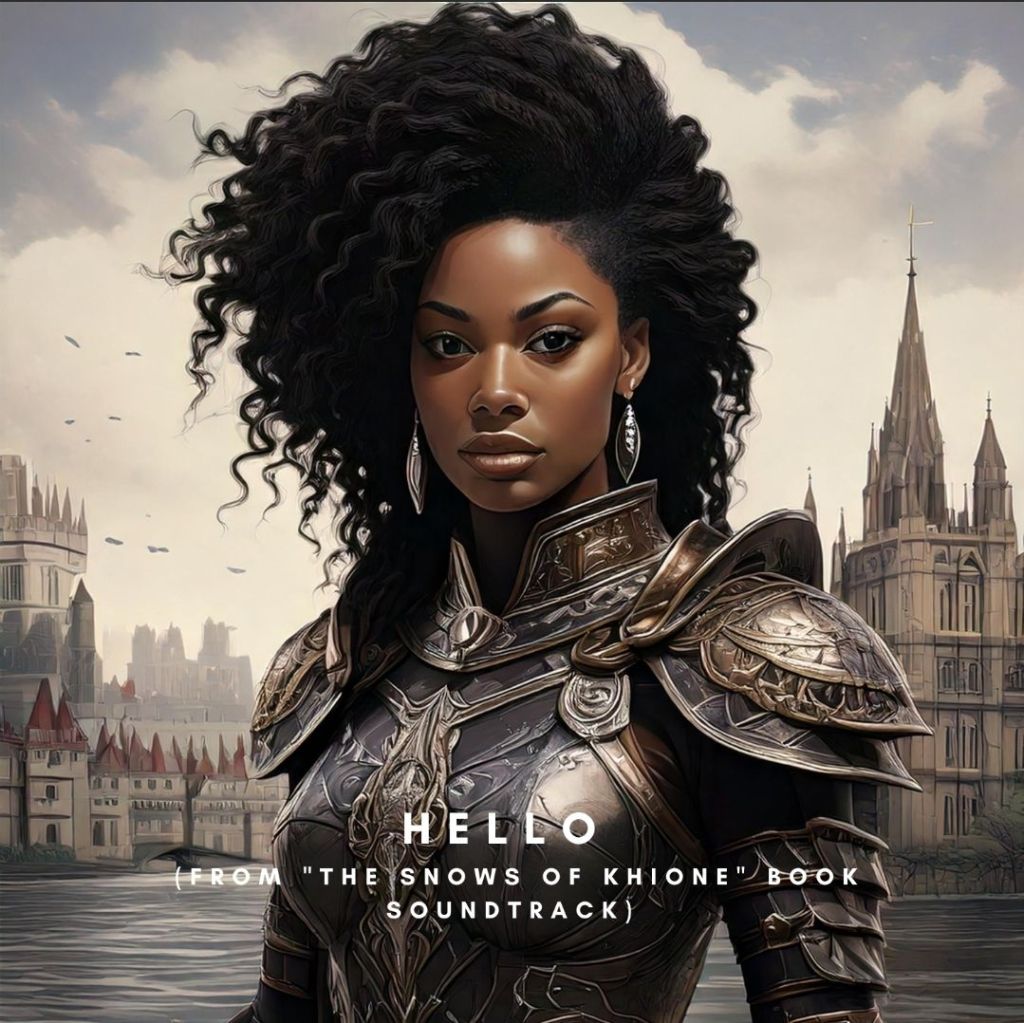
Her novel Late Bloomer now rests within the permanent research collection of the Schomburg Center for Research in Black Culture at the New York Public Library—a quiet but permanent acknowledgment that her work carries archival weight. Through The Naida Saga, she has done something rarer still: she composed original music and ballet suites to accompany her novels, later unifying them into a soundtrack. Story, voice, choreography, structure—each in dialogue.
As Founder of The Snows of Khione Ballet Academy and Editor-in-Chief of She’s SINGLE Magazine, she moves between executive precision and artistic intuition with an ease that feels intentional, not accidental.
This conversation unfolded not as a list of accomplishments, but as an exploration of discipline, identity, and the strange courage it takes to let art expand beyond its original form.
We began at the beginning.
The Human Threshold
Q1. What was the first quiet signal that this work—this merging of story, music, and ballet—wanted to exist?
LKS: I don’t think there was any particular moment that made me go, “This needs to exist” because realistically, it doesn’t. Many authors have seen success without the extra fanfare, even without advertising. I think for me, this endeavor is more about legacy. I’ve studied many successful businessmen and women over the years and one thing they have in common is a diversified business portfolio. I love music, but I can’t sing lol. I have a passion for writing and storytelling, I can write; while also having a passion for entrepreneurship – I’ve learned how to lead a company. I’ve essentially merged my passions into creating something new.
Q2. Before anyone else saw the vision, when did you feel it most clearly in your own body?
LKS: When I was working on ‘The Snows of Khione: Book1’ and the story was starting to take shape. I began to see it as something that could one day be on the big screen. With this, came the idea of adding music. An original music score that I can be in control of. An author has never taken up that responsibility to create an original song for their book; I am the first. But this came with the idea that one day it will be a film and I want the song that plays to be a song that I had a hand in helping to create.
Identity and Emotional Truth as Permanent Themes
Q3. You’ve spoken about identity and emotional truth. Was there a moment in your early writing life when you realized those would be your permanent themes?
LKS: No lol. I began working on my first book in 2008, but it was kind of something that just…happened. I was an undergrad at Utica College, my major was Psychology and I was taking a Creative Writing class. One of the assignments was to write a short story and our peers would grade it and then the professor would grade it. I ended up writing about a 15-year-old girl named Niki who has an affair with her father and then later on kills him and her mother. She was bullied in school and her best friend in the novel, was named after my best friend in real life.
My peer graded it an A and then the professor grades the story an A also, however, he then asked if he can meet with me one day after class. I said yes, of course and he pretty much let me know that we have good counselors on campus, if I ever need to see one. I was very shocked and asked why he would suggest that. He said after reading the short story I wrote, he thought it was based on my real life. I laughed so hard because at first I was speechless. I told him no, and was very adamant about that.
Long story short, he ended up asking if he can use my story as an example for his other classes because he loved it so much. I said yes. From there, I started on ‘Borderline’ which I ended up releasing shortly after I came out of the army. That book is a psychological thriller that I wrote due to my love for psychology. This book also features Niki as one of the character’s patients. So, in the beginning, I didn’t think my identity and emotional truth would be permanent themes, but over time as I’ve written more books, my life has played a huge role in the content I’ve produced. All of my books are inspired by some part of my life – especially my romantic relationships.
What Part of Late Bloomer Stayed Long After
Q4. What part of Late Bloomer stayed with you long after you believed you had finished it?
LKS: The characters, Noel and Kenneth. I always say that, that is my favorite book. When I first wrote it and people read it, they hated my main character. I remember one guy saying she has no “redeemable qualities”. That book for me is such a realistic depiction of women today and how we view relationships. It’s this girl, who is inexperienced in love and she has two guys in her orbit, one from childhood and another she’s met recently, who happens to be married. The funny thing is, the one from childhood liked her, but she didn’t reciprocate those feelings back then.
Now that they’re older, she’s seeing him in a new way. But with women, it’s almost as though, we’re never allowed to make mistakes. It’s this idea that if a man likes us, we are supposed to like them back, immediately, otherwise, we shouldn’t get access to that guy when he’s grown up or had time to mature into someone we’re attracted to. Late Bloomer kind of flips that narrative and it’s a story that shows us sometimes women need time to mature and grow up too.
We aren’t making great decisions right out of the womb and we should be allowed the same grace we extend to men when they’re allowed to make poor decisions before changing their mind about something or someone.
Craft, Structure, and Resistance
Q5. When you’re shaping a novel that will also become music and choreography, where does it begin? With language? With rhythm? With silence?
LKS: With ‘The Naida Saga’ books I went into that project knowing that I wanted it to be big, loud, unforgettable. I wanted those stories to be a world of their own. Something that will retire me when I turn 40 lol. So, with that I already had it in mind that I’d want to add music especially since I know that one day those books will become films. As far as my other books, like ‘The Artist’ and ‘Late Bloomer’, I did a song for ‘The Artist’ because it’s a simpler project compared to ‘The Naida Saga’ and I wanted something I could present to a film agent, to essentially get my foot in door with this pairing: book + original soundtrack. Then as I was rewriting ‘Late Bloomer’, since it’s my favorite book, I decided it needed some music too and so that happened.
Recognizing Truth While Still Shaping it
Q6. How do you recognize truth while you’re still shaping it—before the audience confirms it?
LKS: The truth as in the information that’s presented in my novels? I believe that’s what you mean so I’ll answer to that. When I worked on my first book, Borderline, I thought that fiction meant everything had to be made up and the stories were supposed to be completely fabricated…but when I got the book edited around 2013 before releasing it, I was in for a rude awakening. My editor at the time made so many edits to the manuscript that by the time she returned it to me, it was red all over. I couldn’t even see my story in there. She told me, very bluntly, halfway through, that I need to rework the book because she could no longer suspend her belief. At the moment, I didn’t fully understand, I thought she was being harsh. But when I reread it, with her corrections, searched alot of the information online, it slowly dawned on me.
That fiction meant fictional stories, not a whole made up world where truth is completely abandoned. So, I reworked the book over several months! At first, I was very discouraged, but she helped me discover something that as a new writer, I just didn’t know. I’ve since grown as a writer and haven’t had that issue since. However, now that I’m working on fantasy books, I feel more relaxed. I can make up words, make up worlds, describe characters using just my imagination and so far, my wonderful editor, Robin, has done nothing but sing my praises and encourage me every step of the way.
Most Resisting Element – Narrative Structure, Melody, or Movement
Q7. Which element resists you the most: narrative structure, melody, or movement?
LKS: Finances lol. Creatively, I am 100% tapped in. I know how to shape a book outline, I know how to create a story, develop it and tell it. Music, I know what a good beat sounds like and a good song because I don’t wish to recreate anything that I hear on the radio today. I came up with 90s music, an era where there were stacked vocals, longing, storytelling with the lyrics…. with instrumentals, when I’m working with producers, the first thing I say is, “I’m not buying anything that’s under 3:30; that’s robbery. We need to bring bridges back.”
These projects are very expensive to create and so budgeting is very important: hiring producers, song writers, performers, an engineer etc.
Q8. You lead institutions built on discipline—how has structure influenced your creative freedom rather than limiting it?
LKS: Structure is very important for me because it helps me to stay engaged in what I’m working on. One thing that I never do is read other author’s works whilst I am working on my own books. I also don’t like to be called away from my space when I’m in the zone. Once the wheels start turning, I need the fireplace video up on YouTube, I need the Jazz music in the background and some piano classics, and sometimes a nice glass of white wine. I am disciplined in that sense. I know what I need to work; I can exit a conversation or head home when I need to and get into my zone and work on my craft. No ceremony, no fanfare, no explanations.
How do Accountability, Precision, and Consistency Coexist
Q9. The Academy reflects military-rooted values: accountability, precision, consistency. How do those values coexist with the vulnerability required for storytelling?
LKS: I’m very intentional in just about everything that I do. I know where to apply certain methods and where not to. The vulnerability I display when I’m working on my stories, is therapeutic in a way. I allow myself to be fully authentic there. I can be the nerd who uses Anime and video games as inspiration for the environments I am building – because I am very much a nerd lol, whereas, inside of a boardroom or meeting, I have to be this rigid boss who reflects those military values.
However, when it comes to the Academy, I want our students to have the time of their lives. I want them to be comfortable and feel emotionally, mentally and of course physically safe in our care. Being a creative as a whole is challenging because you’re sharing your passion with the world and hoping they like it enough to support it. Then you have those who don’t support it and will nitpick or heavily criticize your work. As the Founder and Executive Director for The Snows of Khione Ballet Academy, I plan to lead with love and understanding from one creative to another.
Whether this is the faculty or the students. I want us to be in our own world where we leave the critiques at the door and center our focus on being the very best based on our own definition. This is another reason why I chose for the academy to be non-competitive. This isn’t about trophies; it’s about passion. It’s about drive, it’s about one day looking up and seeing yourself as the Snow Ballerina or playing Naida’s Ushu in one of the shows.
We are taking consistency and precision and shaping future creatives to be confident, well-educated and driven to succeed.
Learning About Revision of Text, Sound, and Movement
Q10. What have you learned about revision—not just of text, but of sound and movement?
LKS: Revision is extremely important. I am one of those people who check things a million and one times. I don’t think it’s OCD, but I am a perfectionist. I don’t believe in rushing to put out something that’s not quality. Everything I do is from a place of passion and so if I don’t do something it’s because I’m not passionate about it. I wouldn’t want to waste my time, knowing that I won’t give it 100% of me. For my books in particular, as I’m writing I like to print each chapter and read it, make corrections, then add it to the desktop.
Once the complete manuscript is done, I read the book completely on my desktop and make any small changes before printing it all and mailing it to my editor. In those months while she’s editing, I’m either working on the magazine or working on a new project. The magazine publishes quarterly and I have an amazing Senior Editor who oversees operations while I’m working on my books. So, I give myself deadlines so I can return to the magazine for cover shoots and the print issue, while Robin is doing the editing. It’s a great schedule lol.
After that, when she sends it back, I make any changes she suggests. We do a Zoom call which can sometimes last up to 6 hours. I do another read through, then it goes to peer review and then proofing. I get a copy of the book in print, I read it through again, make any changes, send it back and until I am completely satisfied, we do this for a while. As far as the music and movements go, I make suggestions here and there, but I’ll be honest, I’m very cut throat when it comes to that. I’m one person and I have to be realistic about how far I can be stretched, especially as the sole person funding this endeavor. I don’t give many chances for revisions.
I’m quick to terminate a contract and replace people. I learned from my late grandmother that you’re going get the best version of something from someone the first time around – do it good and done. Quality first, always. Revisions mean that the person didn’t really put their best foot forward despite my thorough instructions. It means my dreams and goals aren’t your priority and that’s perfectly okay, but you won’t work for me.
Responsibilities Towards Tradition While Expanding Literature into Performance
Q11. In expanding literature into performance, what responsibility do you feel toward tradition? And where do you allow yourself to break it?
LKS: I don’t feel any responsibility toward tradition because if no one is going to deviate from the norm then essentially that means creativity is being killed. With the rise of Artificial Intelligence, I feel, more than ever, that we need more people to be brave enough to step out their comfort zones and create. I have no loyalty to what was done in the past as it pertains to authors and how our work is discovered or utilized. It’s my work and I should have a say so and complete and/or partial control in how it’s presented to the world on a larger scale. I know there are authors who sell the rights to their books or work with agents who persuade them to write about this or that, I don’t want anyone controlling me creatively. I want to be free. I want to create and I don’t want anyone to make me feel bad for wanting to be different.
Identity, Power, and Cultural Memory
Q12. How has your Bronx upbringing and Jamaican heritage shaped the way you understand power in narrative?
LKS: I don’t credit my Bronx upbringing for anything that I’ve worked on. This location has no bearing on me whatsoever. I barely go outside, I don’t know anywhere past Gun Hill Road and I think the Bronx is a terrible borough. My Jamaican Heritage however, has done wonders for me. Growing up, I’ve always watched my family working hard and making sacrifices and, in their downtime, having community. As I’ve gotten older I haven’t taken any of that for granted, I do understand my privilege in the sense of, I had an apartment in my mother’s house, that her and grandmother brought together when I was younger, from there, I was able to save and launch a magazine which then ended up helping me to fund a TV show, my books, this album and essentially just build a legacy.
Being in the Bronx as a whole, is soul-sucking and there’s nothing inspirational here. The goal for me was to get out. Power is generational. I credit my mother and my grandmother for the decisions they made when we were children because those decisions have helped to shape me into the woman I am today and the journey I am now on.
When Your Novel was Acquired
Q13. When your novel was acquired by the Schomburg Center, did it change your relationship with permanence—or with legacy?
LKS: Yes, 100%, it was single handedly one of the best days in my career receiving that email. I went from being this indie author who couldn’t afford an editor or book cover designer to now having a publisher who allows me to hold onto my rights while still being able to utilize their resources—editor, graphic designers etc. to also being acquired by Schomburg. To achieve these accomplishments without the validation of traditional NYC publishers feels great.
I mean, I’ve read books published by the big 5 and I can say, confidently, that I measure up to their quality of work and in some cases, surpass them. So, knowing that while still being able to build my own legacy that’s garnering recognition is not at all something I take lightly and I am grateful every single day—both for the journey and now, the outcome.
Preserving, Challenging, or Building
Q14. Do you feel that your work is preserving something, challenging something, or building something that did not previously exist?
LKS: I think my work is definitely building something and preserving something that did not previously exist. I wouldn’t say it’s challenging anything at the moment because I doubt there’s suddenly going to be an influx of indie authors investing thousands of dollars to have music created for their books. I do believe, however, that traditional publishers, depending on the success I achieve, will seek to adapt this method of storytelling into their services. The downside to that is going to be them recouping those funds from the author.
What I’m building is something I believe people will talk about for years to come. They’ll enjoy the music, they’ll enjoy the books, they’ll attend the ballet shows, almost making it a Christmas tradition, and it will be a topic of conversation for many book clubs. My goal here is preservation, which is why I have all of my work in a trust and I do not intend on selling my rights to anyone. I am holding onto ownership because I have leverage.
How Does Your Role Inform Your Own
Q15. As a publisher and media executive, you amplify other voices. How does that role inform your own?
LKS: I am very glad that I have the pleasure of meeting others, learning different perspectives and just getting to hear about experiences from different people around the world. I believe, this has most definitely helped me with my craft. For example, my novel, ‘The Artist’ which is about a young woman who ends up in a PR relationship to help her best friend save her PR firm, much of the information I gathered for that book was due to my media and publisher background.
Not only that, but through this endeavor, I’ve learned so much about the industry: marketing, producing…ownership and leverage. I see many people online spreading misinformation and to be honest, it sells, but it keeps the systems wheels turning because the information is never going to be the truth because the truth creates competition for them and no one wants that. People like me who build in silence and step outside of industry norms to find success aren’t really being talked about in blogs or given platforms to educate others. Which to me, is by design.
When it comes to being someone who is here to create change, being around people who are also non-conformists helps a lot. I love learning from others, listening to others and applying their advice wherever and whenever I can. But the downside to this is that until I’ve given an opportunity like this one here, (which I am very grateful for, thank you), I don’t really have the time to set up a camera and pay the advice forward.
Philosophy and Being
Q16. What does writing give you that leadership cannot?
LKS: Vulnerability without judgement. As an African American woman, it’s hard to be quirky or vulnerable, while still having to be this rigid leader who people will just walk all over if you show an ounce of kindness or leniency. I get taken advantage of a lot by freelancers because they see this business I’ve built and they think I’m not knowledgeable enough to know when numbers don’t align with the output. When I’m writing, I can create characters who are businesswomen, but still be vulnerable in ways that I can’t be in real life and that gives me a sense of escapism which makes me want to write more and more books.
Even in romantic relationships, men hear that I’m an entrepreneur and the space to be feminine gets ripped from under me. Now I’m expected to lead or give input on their business endeavors and creative ideas when in reality, I just want to cuddle and watch a good movie.
Change in Relationship with Uncertainty Over Time
Q17. How has your relationship with uncertainty changed over time—especially as your creative projects have grown more ambitious?
LKS: I don’t limit myself in anyway. If I can think it, I can achieve it and so, I’m going to just do it. My goal now, as I’ve gotten older, is legacy through ownership and if I’m afraid to step out of the box others have created, then I’m not being ambitious, I’m being compliant. I didn’t become an entrepreneur to still follow the rules others have set for me.
Q18. Do you believe stories heal—or do they simply reveal what was already waiting to be acknowledged?
LKS: As both a writer and a voracious reader, I do believe that stories can heal through validation. For example, I own a women’s lifestyle magazine called, She’s SINGLE and I cannot tell you how many women have written in to us to thank us for being so understanding, patient and kind with our words when writing our articles. Writing as a whole is about community and even with Late Bloomer, when that book did find its community, the woman weren’t as judgmental, in fact, it made them feel good that they were able to read about a character who is deeply flawed and they can relate to her. We can be in a phase of healing while also acknowledging and taking accountability for our actions that led us there.
Learning to Listen to
Q19. What are you still learning to listen to?
LKS: My body. I spend upwards to 18 hours at my desk on any given day and my body takes a beating. Whether it’s my knee, my ankle, my back…lol. Something is always hurting. I have promised myself that I will be taking my health more seriously and won’t be spending as much time around the desk. ‘The Naida Saga’ is the last set of books I will be publishing. The rest will be rewritten/republished under my new publisher. For the continuation of ‘The Naida Saga’, I’m working on a treatment for a series that I’ll be presenting to the studio that’s going to do the films. So, the books are done lol.
Q20. What question are you carrying forward into your next chapter?
LKS: How can I just allow myself to stop and enjoy the fruits of my labor? I’ve been working hard for so long that I feel unproductive when I’m supposed to be allowing myself time to rest. I want to grow out of that mindset and settle into the one where I take a look around, take a deep breath and finally realize that I’ve made it and there’s nothing else left for me to prove.
A Shared Pause
What lingers after speaking with Lisa K. Stephenson is not simply the idea of innovation.
It is discipline married to imagination.
It is the understanding that identity is not a theme to be visited once, but a current that runs beneath everything. Her work suggests that story alone was never enough—not because it lacked power, but because it carried more than one medium could contain.
Language becomes sound.
Sound becomes movement.
Movement becomes legacy.
There is something quietly radical in refusing to keep art in its assigned lane.
In a time that rewards speed and fragmentation, her work insists on structure. On rehearsal. On intention. On the long arc of development—whether of a dancer, a novel, or a self.
This conversation feels less like an interview and more like a moment suspended between rehearsal and performance. A pause where intention is named before it is executed.
It belongs, perhaps, within the spaces PebbleGalaxy holds for Literature, for Poetry, for Mindfulness and Inner Worlds. It also belongs within Slow Living—the reminder that excellence is not rushed, and that vision, when disciplined, can stretch across forms.
The final page is never entirely final.
Some stories ask to be read.
Some ask to be heard.
And some—if we are willing—ask to be lived into motion.

 Between Stars & Silence
Hello. Thanks for visiting. I’d love to hear your thoughts! What resonated with you in this piece? Drop a comment below and let’s start a conversation.