The Profound Connection: Exploring the Experience of Drinking Water and Its Impact on our Body and Mind
Water, the elixir of life, holds a profound connection to our overall well-being. When we drink water, it is not merely a mundane act of quenching our thirst; it is an opportunity to connect with the essence of life itself. In this extensive article, we will embark on a journey to explore all aspects, angles, and perspectives of the experience of drinking water and its far-reaching impact on our body and mind.
The Physical Connection
The Physiology of Hydration:
When we consume water, a complex series of processes unfold within our body to ensure its absorption, distribution, and utilization for maintaining vital bodily functions. It all begins in our mouth, where saliva mixes with the water, initiating the first step of digestion. As we swallow, the water travels down the esophagus and enters the stomach, where it is quickly absorbed into the bloodstream through the walls of the stomach and the small intestine. From there, the water is transported through blood vessels to various organs and tissues, ensuring proper hydration. The circulatory system plays a crucial role in this distribution process, carrying the water to cells throughout the body. Once inside the cells, water facilitates essential metabolic reactions, aids in nutrient transportation, and helps remove waste products. Additionally, water acts as a lubricant for joints, regulates body temperature through perspiration, and supports the function of vital organs like the kidneys. This intricate journey of water from our mouth to our cells showcases the remarkable efficiency of our body’s systems in ensuring hydration and maintaining optimal bodily functions.
The Importance of Adequate Hydration:
Adequate hydration is crucial for maintaining optimal physical well-being as water plays a multitude of roles in our body. Firstly, water serves as a regulator of body temperature, allowing us to cool down through perspiration when we are exposed to heat or engaged in physical activity. It supports organ function by assisting in the delivery of oxygen and nutrients to cells, promoting their proper functioning. Water aids in digestion by facilitating the breakdown and absorption of food, ensuring efficient nutrient uptake. Additionally, it promotes nutrient absorption by transporting essential substances across cell membranes. Water also acts as a vital component in waste removal, aiding the kidneys in filtering out toxins and waste products through urine. Inadequate hydration can lead to dehydration, which can have detrimental effects on all these processes, compromising our overall physical well-being. Therefore, ensuring we maintain adequate hydration levels is essential for optimal bodily function and overall health.
The Impact of Hydration on Physical Performance:
The relationship between hydration and physical performance is undeniable, as proper hydration plays a vital role in enhancing endurance, strength, and overall athletic capabilities. When we are adequately hydrated, our bodies are better equipped to regulate body temperature, allowing us to sustain physical activity for longer periods without succumbing to heat exhaustion or fatigue. Water is essential for maintaining optimal muscle function and lubricating joints, which contributes to improved strength and flexibility during exercise. Furthermore, proper hydration supports cardiovascular function, enhancing the delivery of oxygen and nutrients to working muscles, thereby improving endurance. On the other hand, dehydration can have significant consequences on athletic performance. Even mild dehydration can lead to decreased energy levels, impaired cognitive function, reduced coordination, and increased perceived exertion. To optimize hydration for athletic endeavors, athletes should prioritize pre-, during, and post-exercise fluid intake. Strategies such as drinking water before, during, and after workouts, monitoring urine color for hydration status, and considering electrolyte replenishment during prolonged or intense exercise can help maintain proper hydration levels and maximize athletic performance.
The Mind-Body Connection
Hydration and Cognitive Function:
Hydration has a profound impact on our mental clarity, focus, and cognitive abilities. Studies have shown that even mild dehydration can impair brain function and lead to decreased cognitive performance. When we are dehydrated, the brain’s energy levels and overall efficiency can be compromised, resulting in difficulties with concentration, memory, and decision-making. Dehydration can also affect mood, leading to feelings of irritability, anxiety, and fatigue. Conversely, numerous studies have highlighted the positive correlation between hydration and cognitive performance. Adequate hydration has been found to enhance cognitive function, improve mood, and increase alertness and attention. Maintaining proper hydration levels throughout the day can help optimize brain function, promote mental clarity, and support overall cognitive abilities. Therefore, staying well-hydrated is not only crucial for physical health but also plays a vital role in maintaining optimal mental well-being and cognitive performance.
Emotional Well-being and Hydration:
The connection between hydration and emotional well-being is often overlooked, but it plays a significant role in our mental health. Dehydration can potentially contribute to increased stress, anxiety, and mood disorders. When our bodies are dehydrated, it can trigger physiological stress responses, such as increased heart rate and cortisol levels, which are associated with heightened feelings of stress and anxiety. Studies have also shown that dehydration can negatively impact mood, leading to feelings of irritability, fatigue, and even depression. On the other hand, staying properly hydrated supports emotional balance and overall mental health. Water is essential for the optimal functioning of neurotransmitters, which regulate mood, such as serotonin. Additionally, adequate hydration helps transport nutrients and oxygen to the brain, supporting its overall health and function. By maintaining proper hydration levels, we can promote emotional well-being, reduce stress, and enhance our overall mental health.
Mindful Hydration:
Mindful hydration involves cultivating awareness and presence while engaging in the simple act of drinking water. It emphasizes the importance of fully experiencing and appreciating this fundamental activity. By practicing mindful drinking, we can unlock several benefits. Firstly, it increases gratitude for the water we have access to, fostering a sense of appreciation for this essential resource and promoting a more sustainable mindset. Mindful drinking also heightens sensory awareness, allowing us to savor the taste, texture, and temperature of the water, thus enhancing our sensory experiences. Moreover, it serves as a powerful tool for grounding ourselves in the present moment, as it requires us to focus our attention on the sensation of drinking and the replenishment it provides to our bodies. By embracing mindful hydration, we can enrich our relationship with water, foster a deeper connection to the present moment, and cultivate a greater sense of well-being.
Cultural and Spiritual Perspectives
Water as a Symbol of Purification:
Water holds deep symbolism across various cultures and spiritual traditions. It is often associated with purification, renewal, and spiritual cleansing. In many rituals and ceremonies, water is used as a means to cleanse the body, mind, and spirit, symbolizing the removal of impurities and the start of a fresh, new beginning. Water is seen as a transformative element, capable of washing away negative energies and restoring harmony and balance. The act of drinking water itself can also be imbued with spiritual significance and intention. By mindfully drinking water, individuals can infuse each sip with their intentions, offering prayers, affirmations, or blessings to nourish not only their physical bodies but also their spiritual selves. This practice allows for a deeper connection to the life-giving properties of water and a conscious acknowledgment of its role in sustaining and revitalizing our being on multiple levels.
Water as a Sacred Element:
Water holds a sacred place in numerous belief systems, symbolizing purity, life, and transformation. Its role in religious ceremonies, rites of passage, and sacred rituals is profound. In many cultures, water is used for baptism or ritual cleansing, signifying spiritual purification and rebirth. It is a central element in Hindu rituals, where devotees immerse themselves in holy rivers to wash away sins and attain spiritual liberation. In Indigenous traditions, water is revered as a sacred being and is honored through ceremonies that express gratitude and seek harmony with the natural world. Native American tribes, for example, perform rain dances to request rainfall for crops and to honor the water’s life-giving properties. Water is also an integral part of rituals representing transition and transformation, such as weddings or funerals, where it symbolizes the beginning or end of a significant phase of life. Across cultures, the respect for water is rooted in its vital role in sustaining life and the recognition that it is a precious resource that must be cherished and protected. This reverence cultivates a deep connection between individuals and water, fostering a sense of responsibility towards its preservation and a profound appreciation for its sacred and life-sustaining qualities.
Water as a Source of Life and Connection:
Water’s universal recognition as a source of life and the shared human experience of dependence on this essential element foster a profound sense of interconnectedness and unity among diverse cultures and communities. Regardless of cultural, religious, or geographical differences, all human beings rely on water for survival and well-being. This common dependence creates a fundamental bond that transcends boundaries and unites us on a fundamental level. The recognition of water’s vital role in sustaining life cultivates a collective understanding and respect for its significance, leading to shared values of conservation and stewardship. The need for access to clean and safe water is a global concern, and addressing this issue requires collaboration and cooperation across nations. When communities come together to address water-related challenges, such as scarcity or pollution, it fosters a sense of solidarity and empathy, as the well-being of one community is intricately linked to the well-being of others. The shared experience of relying on water connects us to our shared humanity and reminds us of our interconnectedness, promoting a sense of unity and the potential for collective action in safeguarding this precious resource.
Conclusion:
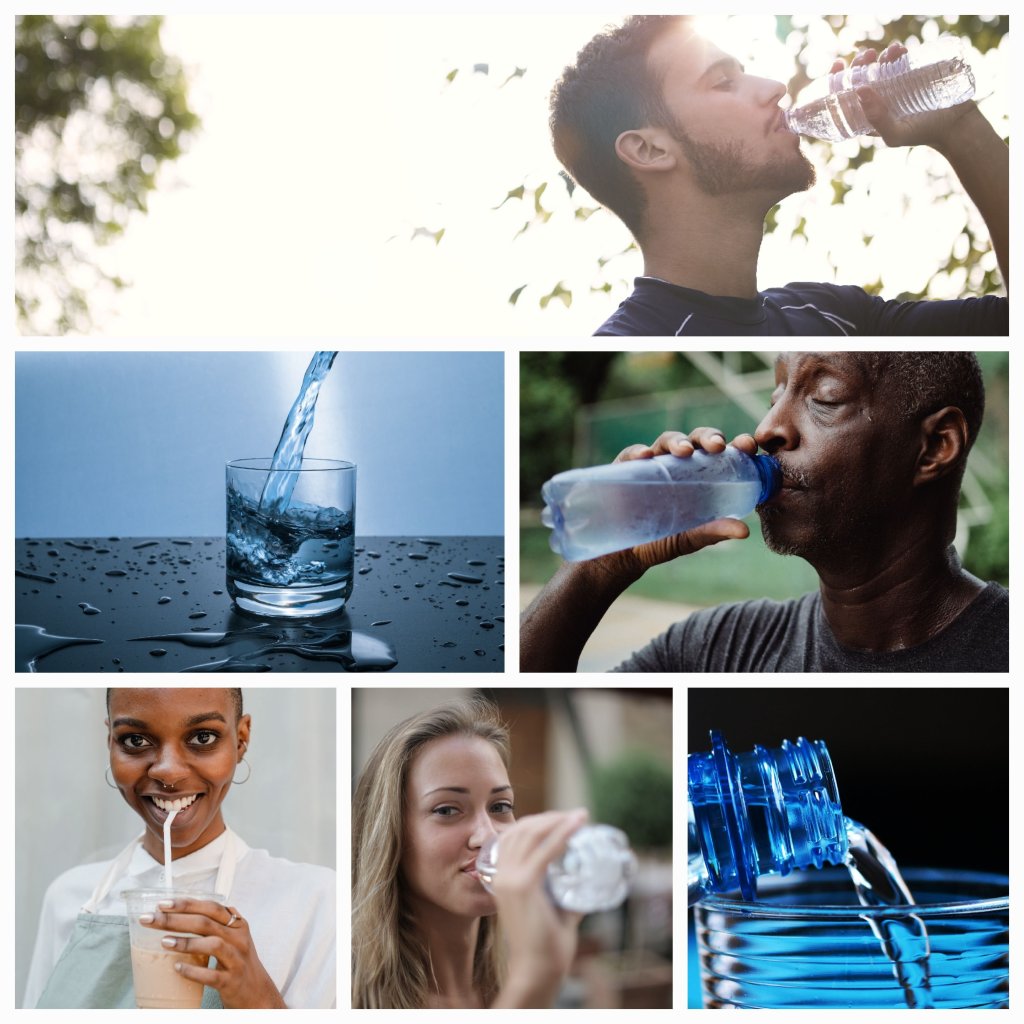
As we conclude this comprehensive exploration of the experience of drinking water and its impact on our body and mind, we are reminded of the profound connection we share with this life-giving resource. Drinking water goes beyond a basic physiological need; it is an opportunity to nourish our bodies, invigorate our minds, and connect with the essence of life itself. By embracing the act of drinking water with mindfulness, gratitude, and a sense of reverence, we tap into the transformative power of this simple yet profound act. So, the next time you raise a glass of water to your lips, take a moment to feel its flow, and appreciate the remarkable journey it embarks upon within you, nourishing and revitalizing every cell.

 Poetry Hub
Hello. Thanks for visiting. I’d love to hear your thoughts! What resonated with you in this piece? Drop a comment below and let’s start a conversation.