In the vast realm of human interactions, forgiveness is a remarkable virtue that has the power to heal wounds, bridge gaps, and restore harmony. We are capable of forgiving a multitude of transgressions, both great and small. The capacity to empathize, understand, and extend clemency is an intrinsic part of our nature as social beings. However, amidst the tapestry of forgiveness, there exists a distinct boundary, an immutable line that separates redress from irreparable damage—an unfathomable chasm that emerges when a cover-up takes place.
A cover-up, like a shroud of darkness, conceals truth and subverts trust. It weaves a complex web of deception, entangling both perpetrators and victims in its intricate threads. Whether it’s a personal betrayal, a corporate scandal, or even a political farce, the weight of a cover-up is heavy. It is an affront to transparency, honesty, and the very essence of integrity. For within the depths of a cover-up lies the stark reality that the perpetrators, in their attempt to avoid accountability, undermine the foundations of trust that underpin human relationships.
To forgive, one must be able to understand, empathize, and believe that the transgressor has learned from their mistakes or misdeeds—acknowledging that they have truly repented and are committed to rectifying the damage caused. However, a cover-up obfuscates the truth, depriving the aggrieved of an opportunity for genuine remorse, accountability, and restitution. It locks the door to understanding and obstructs the path to forgiveness.
When a cover-up is exposed, the repercussions reverberate far beyond the initial transgression. Trust, once shattered, becomes an elusive specter, haunting the very fabric of relationships. The betrayal inflicted by a cover-up extends its reach beyond the immediate perpetrators, tainting the collective perception of an organization, a community, or even a nation. The wounds inflicted by the truth withheld cut deep, leaving scars that take time and effort to heal—if at all.
The challenge lies not only in the act of committing the cover-up but also in the aftermath—the moment of reckoning when the truth is revealed. The fallout from a cover-up can be devastating, not only in terms of reputation but also in the erosion of the fundamental bonds that hold societies together. The collective anger and sense of betrayal are palpable, fueling calls for justice, accountability, and the restoration of truth.
We, as a society, yearn for transparency, authenticity, and truthfulness in our interactions. We recognize the fallibility of human nature and understand that mistakes will be made. But what distinguishes the redeemable from the irredeemable is the willingness to face the consequences of one’s actions with honesty and integrity. It is the courage to admit wrongdoing, to seek forgiveness openly, and to actively work towards rectifying the harm caused.
While the process of forgiveness may be demanding, forgiveness can provide solace, redemption, and an opportunity for growth—for both the aggrieved and the transgressor. Yet, forgiveness cannot be unilaterally bestowed. It requires a foundation of trust, built on the pillars of truth, accountability, and the sincere desire to repair the damaged bond.
The adage that “the cover-up is worse than the crime” holds a profound truth. It reminds us that forgiveness is contingent upon the recognition of wrongdoing and an unwavering commitment to honesty. It reminds us that, though forgiveness may be a noble endeavor, a cover-up undermines the very essence of it, making it an arduous and delicate process if not an unattainable goal.
Ultimately, the choice lies with us—to embrace forgiveness, to seek the truth relentlessly, and to dismantle the barriers of deceit. It is through the courage to face the consequences of our actions, reconciling truth and repentance, that we can restore the bonds of trust and nurture the resilience of our human connections. Only then can forgiveness flourish, transcending the shadows of cover-ups, and paving the way for healing, understanding, and a brighter future for all.
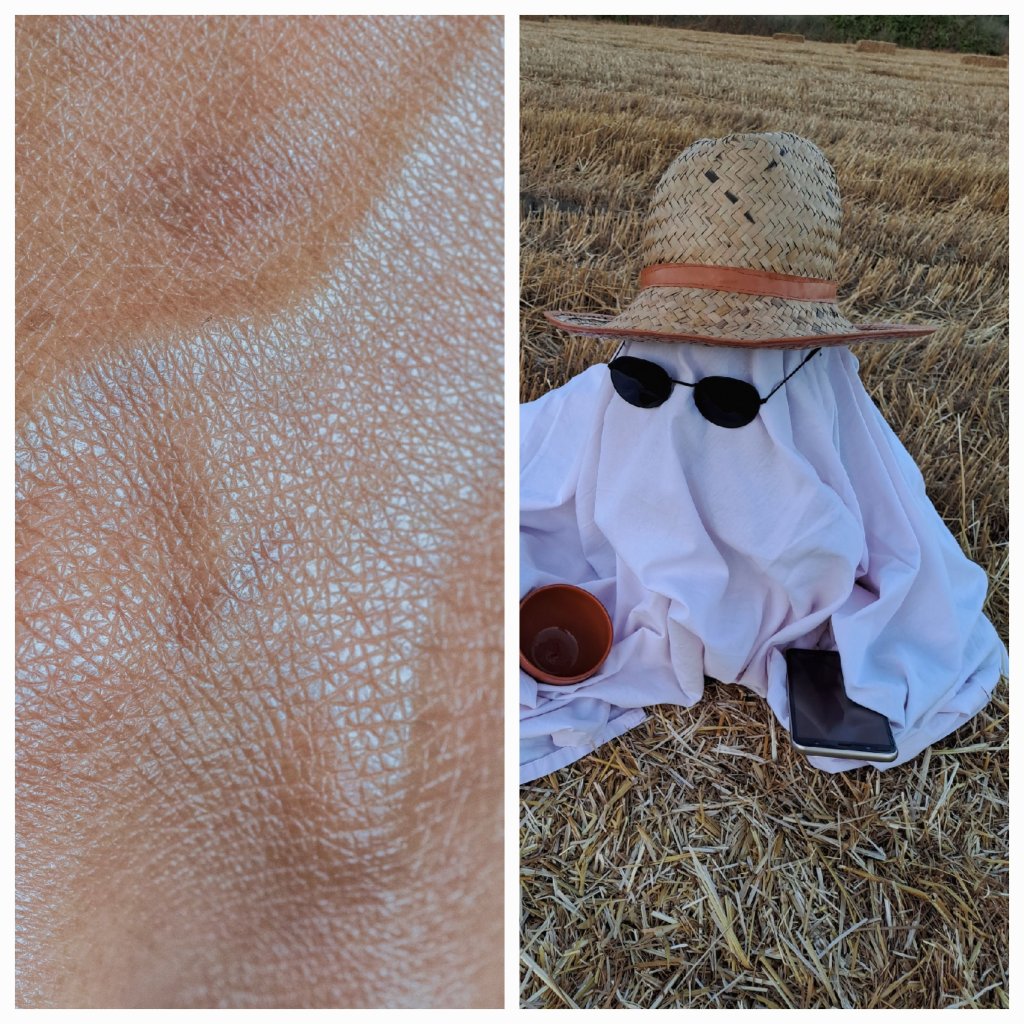
Examples of global situations where forgiveness and cover-ups have played significant roles:
- Truth and Reconciliation Commission of South Africa: In the aftermath of apartheid, South Africa established the Truth and Reconciliation Commission (TRC) to address human rights abuses committed during the era. The TRC aimed to bring about healing and reconciliation by providing a platform for victims and perpetrators to share their stories. Through offering amnesty to those who confessed their crimes, the TRC sought to uncover the truth, promote forgiveness, and rebuild trust in the country.
- Watergate Scandal: The Watergate scandal in the United States during the 1970s involved a political cover-up that undermined trust in the government. The break-in at the Democratic National Committee headquarters and subsequent cover-up by the Nixon administration led to a constitutional crisis. It ultimately resulted in the resignation of President Richard Nixon. The scandal highlighted the detrimental consequences of cover-ups on public trust and the importance of accountability in maintaining a healthy democracy.
- Catholic Church Sexual Abuse Scandals: The Catholic Church worldwide has faced numerous scandals involving the cover-up of sexual abuse by clergy members. These revelations severely damaged the reputation of the Church and eroded the trust of its followers. The victims of abuse have sought justice and accountability, while the Church has been confronted with the need for transparency, restitution, and meaningful steps to prevent future incidents.
- Volkswagen’s Diesel Emissions Scandal: Volkswagen (VW) faced a scandal in 2015 when it was discovered that the company had installed software in its diesel vehicles to manipulate emissions tests. The cover-up spanned several years and affected millions of cars worldwide. The revelations resulted in substantial fines, lawsuits, and a significant blow to VW’s reputation. The company had to undertake immense efforts to repair trust, including compensating affected customers and implementing stricter compliance measures.
- Government Surveillance and Whistleblowers: Instances of government surveillance programs, such as the revelations brought forth by whistleblowers like Edward Snowden, have shed light on the cover-ups surrounding mass surveillance practices. These revelations have sparked debates about privacy, civil liberties, and the balance between security and individual rights. They have emphasized the importance of transparency, oversight, and public accountability in maintaining trust between governments and citizens.
These examples highlight how cover-ups have had far-reaching consequences on trust, institutions, and individuals. They also demonstrate the significance of uncovering the truth, promoting accountability, and seeking forgiveness as essential steps towards healing, restoration, and rebuilding trust in personal, societal, and institutional relationships.

 Poetry Hub
Hello. Thanks for visiting. I’d love to hear your thoughts! What resonated with you in this piece? Drop a comment below and let’s start a conversation.