Category: Human Rights
-

Stolpersteine Memorials: How Stumbling Stones Preserve Holocaust Victims’ Stories Across Europe
The Stolpersteine memorials, or “stumbling stones,” commemorate the victims of the Holocaust by embedding brass plaques into sidewalks at their last known residences. Conceived by Gunter Demnig in 1992, this project honors a diverse range of victims—including Jews, Roma, Afro-Germans, and disabled citizens—offering an intimate, decentralized memorial spread across over 25 countries. Discover how this…
-

The Nehru-Liaquat Pact: A Comprehensive Analysis of Successes, Failures, and its Impact on India-Pakistan Relations
The Nehru-Liaquat Pact of 1950 aimed to protect minorities in both India and Pakistan in the aftermath of the violent Partition of India. While initially successful in de-escalating tensions, the pact’s long-term implementation faced numerous challenges. This article explores its successes, failures, and the impact on the geopolitical relationship between the two nations over the…
-
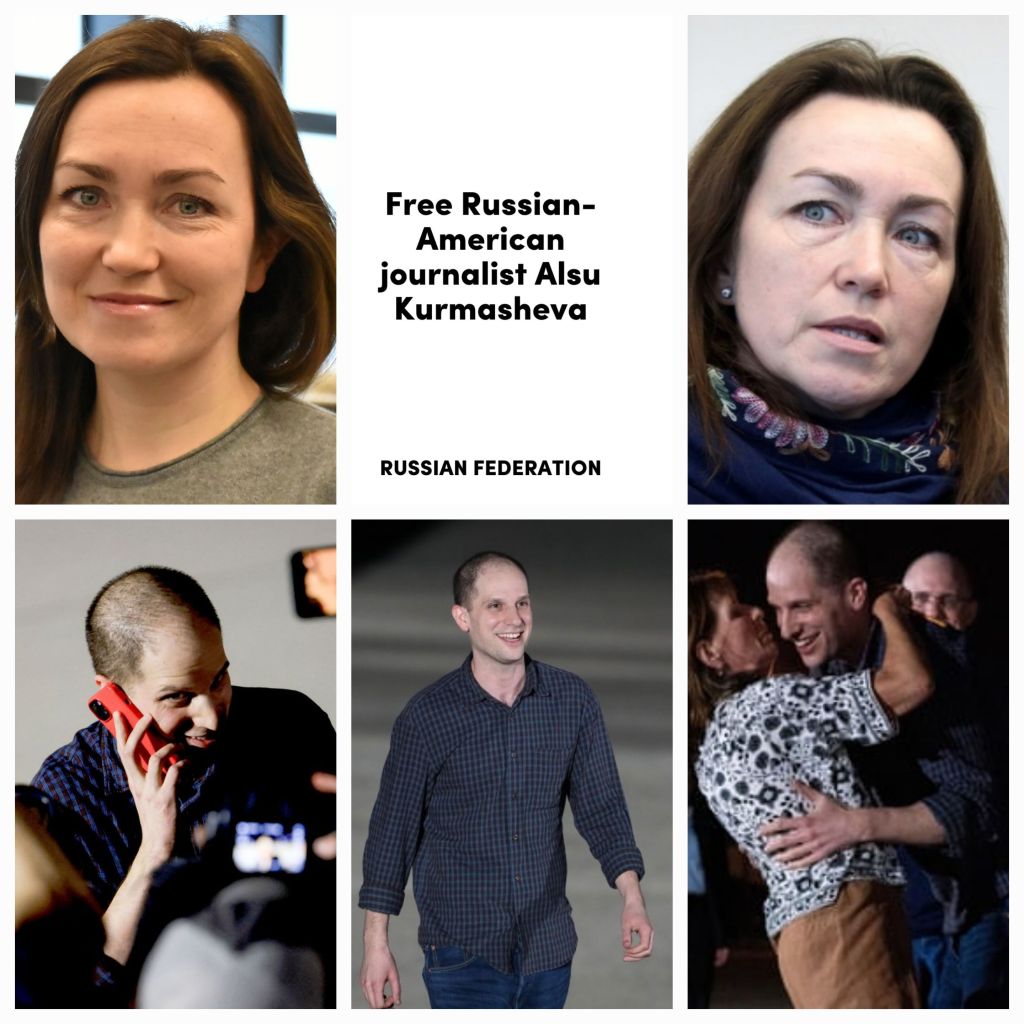
Celebrating Courageous Journalism: The Inspiring Stories of Alsu Kurmasheva and Evan Gershkovich
The recent release of Alsu Kurmasheva and Evan Gershkovich in a major prisoner swap highlights the enduring courage and commitment of journalists who risk their lives to bring vital stories to light. This article honors their bravery and underscores the importance of press freedom.
-
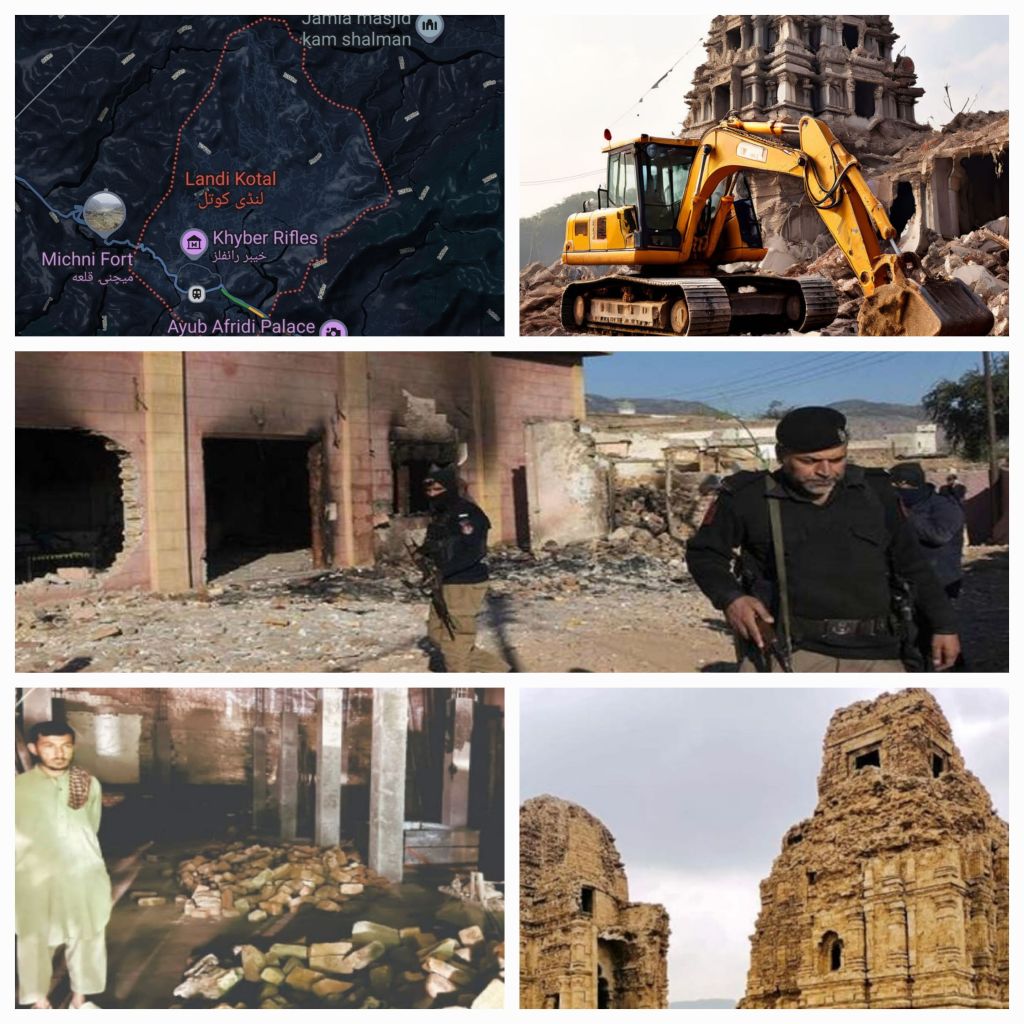
Preserving Cultural Heritage: The Demolition of Landi Kotal Temple and Its Implications for Religious Freedom in Pakistan
The demolition of a Hindu temple in Landi Kotal, Khyber Pakhtunkhwa, Pakistan, has sparked outrage and raised concerns about religious intolerance in the region. Despite being abandoned for nearly 70 years, the temple held historical significance for the Hindu community. The authorities’ decision to permit its demolition and replace it with a shopping mall has…
-

Unveiling Feminism: Redefining Equality, Justice, and Liberation
Embark on a profound journey into the heart of feminism with “Unveiling Feminism: Redefining Equality, Justice, and Liberation.” This powerful ideology and movement emerges as a beacon of hope amidst the darkness of patriarchal norms and societal constraints. Delve into the intricate tapestry of feminism, intertwining history, society, and the essence of our shared human…
-
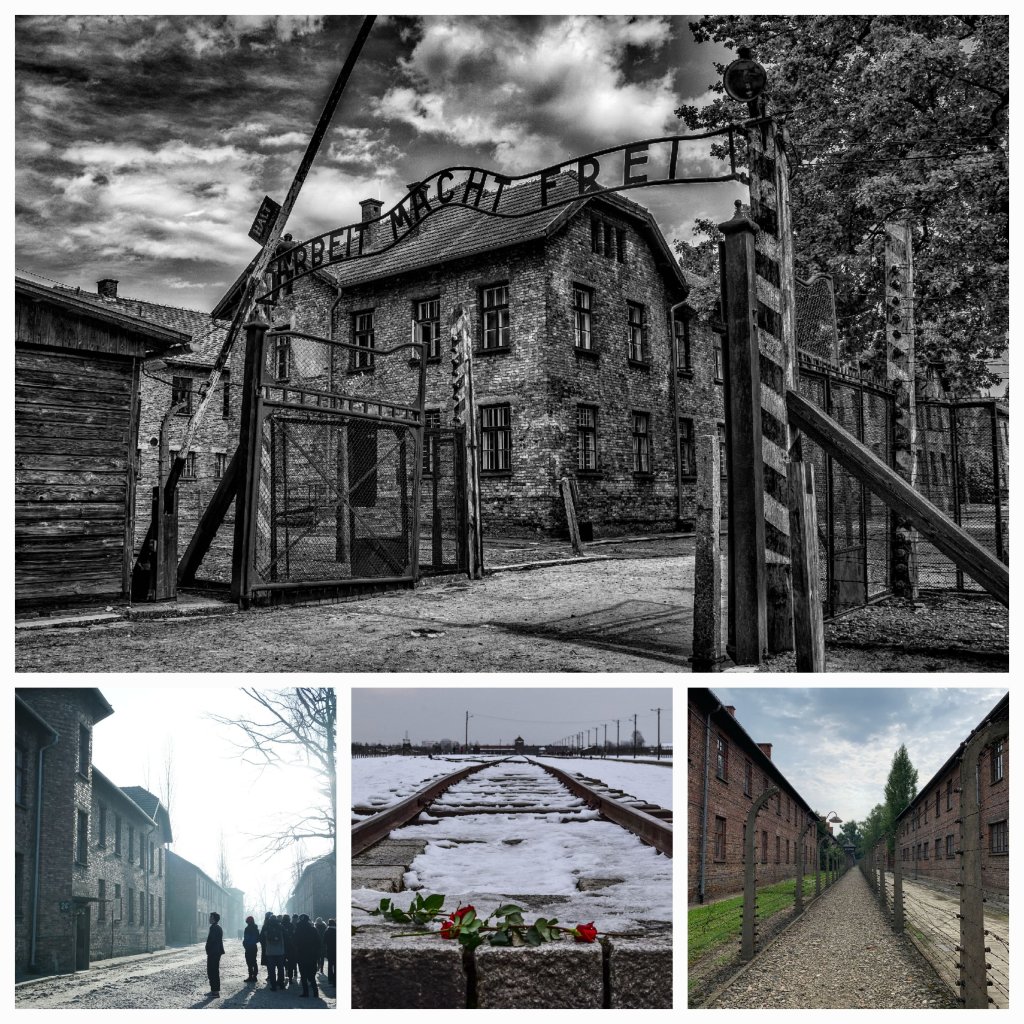
Auschwitz: Unveiling the Darkest Chapter of World War II and Its Enduring Lessons
Discover the chilling history of Auschwitz, the largest and most notorious concentration camp during World War II. Uncover the unimaginable horrors that unfolded within its walls, as millions of innocent lives were extinguished. This article explores the origins of Auschwitz, the systematic genocide carried out by the Nazis, and the tales of resilience and resistance…
-

The Stigmatization of Drug Users: The Importance of a Compassionate Approach for Human Rights and Well-being
The stigmatization and marginalization of drug users are pervasive issues in society, driven by misconceptions, moral judgments, fear, and lack of understanding. However, a compassionate approach towards drug users is crucial for protecting human rights, promoting health and well-being, responding effectively to drug addiction, ensuring community safety, and fostering empathy and understanding. Treating every individual,…
-

Balancing Religious Freedom and Liability: Navigating the Complexities for a Just Society
Explore the intricate dynamics of balancing religious freedom and liability in contemporary society. Delve into the legal frameworks, landmark cases, and ongoing debates surrounding this complex issue. Discover how societies navigate the delicate balance between protecting religious autonomy and ensuring accountability for actions that may cause harm or infringe upon the rights of others.
-

The Holocaust: Remembering the Consequences of Inaction
The Holocaust was a tragedy of unspeakable proportions, resulting in the systematic murder of six million Jews by the Nazis during World War II. Despite evidence of Nazi atrocities, the international community was slow to respond, and many countries were reluctant to take in Jewish refugees fleeing Nazi persecution. The phrase “By the time the…
-

Love Against the Odds: A Story of LGBTQ+ Resilience and Triumph in India #BlogchatterBlogHop
Follow the remarkable journey of Maya and Priya, two young women who dared to love in a small Indian town marred by homophobia and prejudice. Despite facing opposition from their families and enduring discrimination and violence, they fought for their love and rights. Their story is a testament to the strength of LGBTQ+ individuals, the…
 Poetry Hub